Basketball Trainer

Connect With Trainers, Camps, Select Teams, and Knowledge

  • Find Trainers
  • Camps
  • Teams
  • Contact
  • Find Trainers
  • Camps
  • Teams
  • Contact

Extrinsic and Intrinsic Motivation in Basketball: Their Roles in Success and Happiness

May 26, 2024 By basketballtrainer

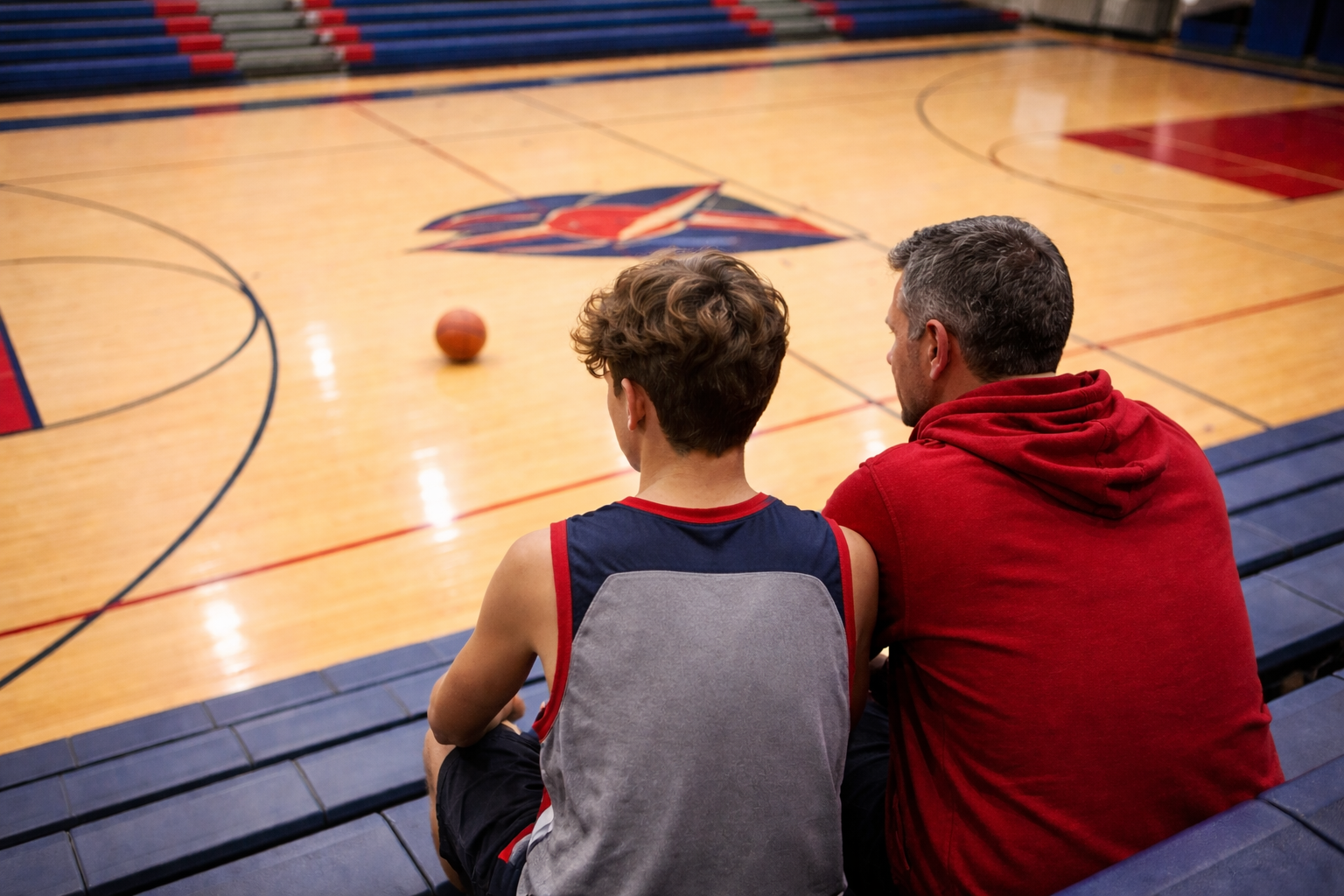
Intrinsic and Extrinsic motivation in basketball

As a coach of a select team I had to take a hard look at a motivation challenge last year.  After a tough weekend where we were outhustled I sent this to them.

A note to our valued team:

Gang,

Obviously we are facing some effort and motivation challenges this weekend.  This is inevitable during the course of a long select basketball season and I have had several teams deal with this specifically on Memorial Day Weekend.   

On the other hand, we didn’t see our opponents struggle with early morning game or other challenges.  

So let’s disengage a bit as individuals and be curious for 10  minutes about the science of intrinsic and extrinsic motivation in basketball and off the court and how it relates to sustained effort, happiness, and success for you.  

I care about each of you as individuals as well as our team culture, and I think we can use this to our mutual  benefit.  

Coach Chris

Basketball Mental Toughness: What Actually Works

By Christopher Corbett, Founder of BasketballTrainer.com and AustinYouthBasketball.com, Co-Founder of BasketballHQ.com and CoachTube.com

I’ve trained basketball players for over two decades. I played point guard at the NAIA level and still compete in masters basketball in Europe. I’ve helped more than 40 players find homes at high-academic college programs.

Here’s what I’ve learned about mental toughness: most of what gets written about it is overcomplicated nonsense. Sports psychology jargon, visualization scripts, biofeedback devices—none of that matters if a kid can’t handle getting yelled at by a coach or bounce back after a bad quarter.

Mental toughness isn’t mysterious. It’s trainable. And it starts with how players respond to adversity in practice, not in some meditation app.

What Mental Toughness Actually Looks Like

The mentally tough players I’ve trained share a few traits:

They don’t make excuses. Bad calls happen. Teammates miss rotations. The gym is too hot or the rims are tight. Mentally tough players adjust and compete anyway. The excuse-makers never make it.

They respond to coaching. When I correct a player, I’m watching their reaction as much as their technique. Do they get defensive? Shut down? Roll their eyes? Or do they nod, apply the feedback, and try again? Coachability is mental toughness in action.

They compete when it’s hard. Anyone can play well when shots are falling. Mental toughness shows up during a cold streak, when you’re tired, when you’re down 15. The players who keep competing—keep defending, keep cutting, keep talking—are the ones coaches want on their roster.

They prepare the same way every time. Routines matter. The mentally tough players I work with don’t need to “get up” for big games because they treat every practice and every game the same way. Their preparation doesn’t depend on the opponent or the stakes.

Why Most “Mental Toughness Training” Fails

A lot of mental performance content overcomplicates this. You’ll read about neuro-linguistic programming, cognitive behavioral therapy techniques, heart rate variability training—tools that might help elite professionals but are irrelevant for 99% of youth and high school players.

The basics matter more:

  • Can you focus for an entire practice without checking out?
  • Can you miss three shots in a row and still want the fourth one?
  • Can you hear criticism without pouting?
  • Can you show up ready to work on days you don’t feel like it?

If a player can’t do these things consistently, no amount of sports psychology is going to fix it. Master the fundamentals of competing first.

How to Actually Build Mental Toughness

Put Players in Uncomfortable Situations

Mental toughness develops through stress, not around it. Practice should include situations that are hard:

Pressure free throws. Make players shoot free throws when they’re tired, with consequences for misses. Run a sprint for every miss. OrBasketball feedbackmake the whole team’s conditioning depend on one player’s free throw shooting. This simulates pressure better than any visualization exercise.

Competitive finishing drills. Keep score in everything. Players need to experience winning and losing in small doses constantly so neither feels unfamiliar when the stakes are real.

Play against better competition. Nothing builds toughness like getting challenged physically and having to figure it out. Seek out better competition rather than avoiding it.

Address the Response, Not Just the Mistake

When a player makes a physical mistake—a bad pass, a missed rotation—I correct the technique. But I’m paying equal attention to their response. Did they hang their head? Did they blame a teammate? Did they immediately get back on defense and compete on the next play?

The response matters as much as the correction. Good coaches address both.

Build Routines That Don’t Depend on Feeling

Players who rely on “feeling good” to perform well are mentally fragile. Routines create consistency independent of mood.

Pre-game routines. Pre-free throw routines. Practice preparation routines. These should be the same whether you’re playing for a championship or an empty gym on a Tuesday.

When a player tells me they “weren’t feeling it” during a bad performance, that’s a red flag. Mentally tough players perform regardless of how they feel because their preparation doesn’t depend on emotion.

Let Them Struggle

Parents and coaches sometimes protect players too much. They make excuses for them, argue with refs for them, pull them from challenging situations before they can work through difficulty.

This is counterproductive. Players need to experience failure, struggle, and disappointment in controlled doses. They need to learn they can survive a bad game and come back stronger. If adults constantly rescue them, they never develop the confidence that comes from working through adversity themselves.

What Players Can Do On Their Own

Control What You Can Control

You can’t control refs, playing time, teammates’ effort, or whether shots fall. You can control your effort, your attitude, your preparation, and how you respond to adversity.

Mentally tough players obsess over what they control and ignore what they don’t. This sounds simple but requires constant practice.

Develop a Short Memory

Basketball requires moving on quickly. Miss a shot? Next play. Turn it over? Next play. Get scored on? Next play.

Players who dwell on mistakes compound them. One bad play becomes two, then three, then a bad quarter, then a bad game. The skill of letting go and refocusing immediately is trainable—but only if you practice it consciously.

Embrace Hard Coaching

Some of the best coaches I know are demanding, direct, and sometimes loud. Players who can only perform for coaches who coddle them are limiting their own development.

If you want to play at higher levels, you need to be able to hear hard truths, absorb criticism quickly, and use it to improve—without needing a conversation about your feelings first. This is a skill. Develop it.

Put in Work When No One’s Watching

Mental toughness and work ethic are closely related. Players who only work hard when coaches are watching, when the gym is full, when someone might post them on social media—they’re not mentally tough. They’re performers.

The players who become something special are the ones putting in work alone. Early mornings, empty gyms, nobody filming. That’s where toughness is built.

A Note for Parents

Your kid’s mental toughness development depends significantly on how you respond to their struggles.

If you make excuses for them after bad games, they learn to make excuses. If you blame coaches or refs, they learn to blame external factors. If you rescue them from every difficult situation, they never learn they can handle difficulty.

The best thing you can do is let them struggle, support them without fixing everything for them, and model the response you want them to have. Stay positive but stay out of the way.

The Bottom Line

Mental toughness isn’t about psychology tricks or expensive training programs. It’s about how players respond to adversity, day after day, in practice and in games.

It’s built through:

  • Facing hard situations rather than avoiding them
  • Taking ownership rather than making excuses
  • Responding to coaching rather than resisting it
  • Showing up prepared regardless of how you feel
  • Putting in work when nobody’s watching

Some players have more natural resilience than others. But every player can improve their mental toughness through deliberate practice—just like shooting or ball-handling.

The question is whether they’re willing to do the work when it’s uncomfortable. That willingness is mental toughness itself.


I require work ethic and coachability from every athlete who trains in my gym. Those two traits predict success better than any physical measurement. If you’re serious about development, start there.basketball success happiness


Statistics on Basketball Intrinsic and Extrinsic Motivation for Those Who Want to Dive Deeper

Here are 10 relevant statistics on the roles of extrinsic and intrinsic motivation in basketball success and happiness, cited from the provided search results:

1. A majority of college male basketball players participate for intrinsic reasons more than extrinsic reasons, according to a study of 12 players.[1]

2. Players with higher intrinsic motivation and task orientation scores participate in basketball because they desire and enjoy the satisfaction of learning and developing new skills.[1]

3. Players with higher extrinsic motivation scores tend to experience greater a motivation (lack of motivation) compared to those with higher intrinsic motivation.[1]

4. Verbal aggression from a coach had a positive correlation with extrinsic motivation in a study of 180 Greek teen basketball athletes.[2]

5. Participation in organized after-school sports is an important factor related to students’ competency and happiness in physical education.[2]

6. Among 1,258 elite youth athletes in the USA, key motivating factors included fun, socializing, competition opportunities, and the thrill of play.[2]

7. In a study of 256 female high school basketball players in Korea, motivation related to skill development, fulfillment, amusement and health had a positive effect on task-goal orientation.[3]

8. The same study found motivation for skill development, accomplishment and health was associated with greater self-goal orientation among the players.[3]

9. In a study comparing intrinsic and extrinsic motivation groups, the extrinsically motivated group shooting for awards 3 times a week had 6.9 percentage points higher free throw percentage in games compared to the intrinsically motivated group.[4]

10. A Spanish study of 180 young basketball players found a positive relationship between perceived performance and intrinsic motivation.[5]

Citations:
[1] https://openriver.winona.edu/cgi/viewcontent.cgi?article=1003&context=leadershipeducationcapstones
[2] https://soar.suny.edu/bitstream/handle/20.500.12648/4036/pes_synthesis/94/fulltext%20%281%29.pdf?
[3]https://www.ncbi.nlm.nih.gov/pmc/articles/PMC8819225/
[4] https://commons.und.edu/cgi/viewcontent.cgi?article=4982&context=theses
[5] https://www.ncbi.nlm.nih.gov/pmc/articles/PMC7767293/

Filed Under: Basketball Conditioning, Basketball Player Development, Basketball Psychology, blog

Private vs. Small Group Basketball Training: Which Helps Most in Development?

March 8, 2024 By basketballtrainer

When it comes to honing your basketball skills, there are various training options available, but the two primary ones compared are private vs small group basketball training . Private basketball training and small group personalized basketball training are two popular choices that cater to different preferences and goals. As an Austin Basketball Trainer for over 11 years, I have done thousands of both formats of sessions and want to share the differences with you.

In this article, we’ll delve into the nuances of these training methods, exploring the differences, benefits, and considerations to help you determine which option aligns best with your needs. Whether you thrive with one-on-one attention or thrive in a group dynamic, understanding the distinctions between these training approaches will empower you to make an informed decision. So, let’s explore the world of personalized basketball training and find the perfect fit for your basketball journey.

Key Takeaways:

  • Private basketball training offers individualized attention and a customized training plan, leading to faster skill development.
  • Small group personalized basketball training provides social interaction, teamwork, and motivation, while also being cost-effective.
  • Basketball is not a private game.  Private sessions often don’t address the chaos and anxiety of the game, and the speed of decision-making to get open, manage the defensive pressure, or develop the vision to see the multiple options.
  • Consider your goals, budget, learning style, and schedule when deciding between private or small group training.
  • My choice as a basketball trainer and also a basketball parent, and former college player…. small group training as long as it is personalized.

Private vs. Small Group Basketball Training

What Is Private Basketball Training?

Private basketball training offers individualized coaching and personalized sessions tailored to the specific needs and goals of the player, aiming to elevate their skills on the court. Private sessions average between $75 and $125 an hour, and I am personally offering a rate of $75 but rising costs have me looking to bump that up.

What Is Small Group Basketball Training?

Small group personalized basketball training provides a collaborative environment for skill enhancement, offering tailored coaching in a group setting that fosters teamwork and collective improvement.  Here at our Austin Basketball Training center we typically have 5 players booked in a private session which means we average 4 actually attendees.

What Are the Differences Between Private and Small Group Training?

The decision between private and small group basketball training involves considerations of individual skill enhancement through personalized coaching versus group dynamics and collective skill enhancement in a collaborative setting, each offering unique benefits tailored to specific training preferences.

One-on-One Attention in Basketball Training

one on one basketball training attention One-on-one attention in private basketball training ensures focused individual skill enhancement through personalized coaching and tailored strategies, maximizing the player’s potential for significant improvement.

It allows the coach to analyze the player’s strengths and areas for improvement in depth, creating a custom training plan that targets specific skills. This personalized approach fosters confidence and ensures the player receives the necessary attention to refine techniques and develop a deeper understanding of the game.

The individualized nature of the training promotes quicker progress, as the coach can adapt the sessions to suit the player’s pace and learning style. Ultimately, this tailored method creates an environment where players can excel and reach their full potential.

Cost of Private vs. Small Group Basketball Training

Cost of private vs. small group basketball training The cost of private basketball training should be considered as an investment in individual development and skill enhancement, ensuring informed decisions based on the value of personalized coaching and dedicated attention.
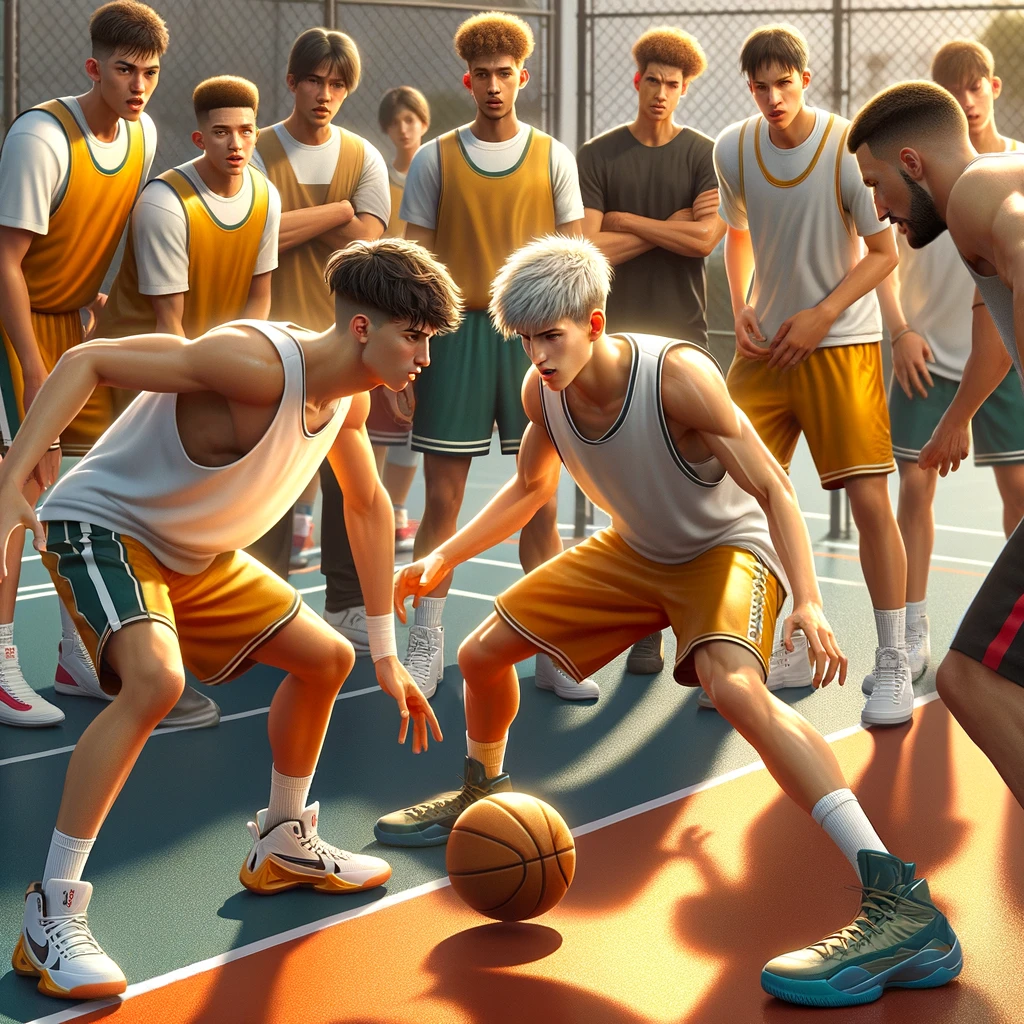
When considering the cost of private basketball training, it’s crucial to recognize the long-term benefits. Individual skill development is nurtured through personalized coaching and focused attention, translating into improved performance on the court. Though the initial investment may seem significant, the tailored guidance and targeted sessions often lead to exponential growth in abilities, making the cost worthwhile.

The value of personalized coaching cannot be overstated; it provides a unique opportunity for players to refine specific aspects of their game, ultimately giving them a competitive edge. Our private sessions are $75 per session, and our small group personalized training is $220 per month or $51 per session. ($220 divided by 4.3 average sessions per month)

Group Basketball Training Dynamics

Group Training For Basketball Group dynamics play a vital role in small group personalized basketball training, fostering a collaborative environment that enhances skills collectively, promoting camaraderie and community building within the training context.  The questions is, when is a small group too big?  I think that depends on the coach and also the coachability of the players.  For me, it’s 5 players that allow me to personalized the training to their individualized needs.

Through engaging in cooperative drills, players not only develop their individual abilities but also learn to communicate, strategize, and adapt, which are essential aspects in competitive games.

The shared experiences and challenges faced during training sessions create a strong sense of unity and support among the players, enhancing their motivation and commitment towards achieving common goals. This environment promotes mutual encouragement and constructive feedback, nurturing a positive and inclusive atmosphere that contributes to the overall growth and development of each participant.

The collective energy and enthusiasm generated within the group can significantly elevate the intensity and enjoyment of the training, making the process of skill enhancement more engaging and rewarding for all involved.

Skill Level and Basketball Training

Tailored private basketball programs are designed to accommodate various skill levels, offering personalized training plans that cater to the unique goals and aspirations of the players, ensuring holistic skill development.

These programs focus on understanding the individual strengths and areas needing improvement, helping players to reach their full potential. The customized training plans take into account the specific needs of each participant, allowing for targeted skill enhancement.

Through one-on-one sessions and personalized guidance, players receive tailored support, enhancing their confidence and performance on the court.  I don’t think that the skill level and athletic talent of the players need to match up exactly, but the curriculum needs to be about the same level.   A good trainer can add degrees of difficulty for 1-2 players in the group while still holding the lesser players accountable to “the right way” of doing things.

What Are the Benefits of Private Basketball Training?

Private basketball training offers the benefits of personalized coaching, individual skill enhancement, and effective progress assessment, providing players with dedicated attention and isolation for accelerated skill development and performance improvement on the court.

Customized Basketball Training Plan

A customized training plan in private basketball training ensures individual skill enhancement through personalized coaching, tailoring sessions to the specific needs and goals of the player, fostering holistic development.

Private training programs offer the unique advantage of adapting to each player’s strengths and areas for improvement, fostering a deeper understanding of their unique playing style.

Customized training plans incorporate targeted drills, strategic gameplay analysis, and personalized feedback, all aimed at refining the player’s technique and basketball IQ. By tailoring the training sessions to address specific weaknesses and enhance existing strengths, athletes can experience accelerated growth, enabling them to reach their full potential on the court.

Individualized Attention in Basketball Training

individualized attention in basketball training Individualized attention in private basketball training ensures dedicated coaching and progress assessment, enabling players to receive exclusive guidance and focused development tailored to their unique skills and performance goals.

By incorporating personalized coaching in private basketball training, players have the opportunity to work closely with a dedicated coach who can tailor sessions to focus on their specific strengths and areas for improvement. This approach allows for a more targeted and effective training regimen, fostering greater skill development and overall performance enhancement.

The ability to consistently assess and track progress ensures that training remains tailored and dynamic, adapting to the evolving needs and goals of each individual player.

Faster Skill Development

Private basketball training accelerates skill development through personalized coaching and progress assessment, facilitating faster improvement and enhancement of player performance on the court.

With personalized coaching, players receive individualized attention to focus on their specific strengths and weaknesses, enabling targeted improvement. Progress assessment plays a pivotal role in identifying areas for growth and tailoring training programs to address them effectively. This customized approach optimizes the learning process, translating into accelerated skill development and enhanced on-court performance. It also instills a sense of accountability and determination in players, as they work towards specific, attainable goals set with personalized guidance.

Keep in mind, this can mean faster skill development, without defense, without decision-making, etc.   Find the balance.

Flexibility in Scheduling Basketball Training Sessions

Private basketball training offers flexibility in scheduling, enabling players to customize sessions and coaching plans according to their availability and specific developmental needs.  As a busy trainer myself, this often has limits.  I only have so many new openings per month, and they are simply what is available.  Newer or less established trainers may have more flexibility.

This tailored approach allows athletes to work around their school or work commitments while still receiving personalized coaching and skill development. Coaches can design individualized workout schedules, addressing specific weaknesses and enhancing strengths, ultimately maximizing the player’s potential.

The flexibility also extends to the location of training, as it can be arranged at a convenient gym or court, eliminating travel constraints. Players can benefit from focused attention during their preferred times, ensuring efficient use of their training time and resources.

What Are the Benefits of Small Group Personalized Basketball Training?

Small group personalized basketball training provides benefits such as collective skill enhancement, community building, and performance metrics evaluation, fostering a collaborative and supportive environment for players to grow and improve together.

Social Interaction and Teamwork

Small group personalized basketball training encourages social interaction and teamwork, fostering a sense of community and camaraderie among players, dispelling the misconceptions regarding isolation in group training environments.

We believe the benefits of basketball that help players develop skills off the court include: collaboration, trust, accountability, communication, and social connection.  Our Austin Girls Select Basketball Team holds these as core values and goals.  This form of training creates an environment where players can support and motivate each other, enhancing their basketball skills while building strong bonds. It allows for individualized attention and mentorship within a small, closely-knit group, leading to a deeper understanding of the game and greater personal growth.

Through shared experiences and collaborative drills, participants develop a synergy that extends beyond the court, reinforcing the broader community and cultural connections that make basketball such a rich and unifying sport.

Cost-effective

Small group personalized basketball training offers cost-effective options for skill enhancement, featuring specialized programs and training options that promote collective excellence at affordable rates.

Many individuals find that the small group setting allows for more personalized attention from the coach, leading to accelerated skill development without the high costs associated with private one-on-one training. In addition, group training provides a supportive environment as players learn from each other, building camaraderie and team dynamics that are essential on the basketball court.

With the availability of flexible scheduling and the opportunity to split the cost among participants, small group personalized basketball training becomes an attractive and cost-effective choice for those seeking quality instruction and skill improvement.

Competition and Motivation

Small group personalized basketball training fosters competition and motivation, leveraging the dynamic of a supportive community and performance evaluation metrics to drive players towards continuous improvement and excellence.

Players benefit from the competitive environment within the small group setting, pushing each other to elevate their game. The shared experience results in heightened motivation, as they collectively strive to reach new levels of skill and performance. The community support adds a sense of camaraderie and shared accomplishment, contributing to a positive training atmosphere.

The use of performance evaluation metrics allows each player to track their progress, identify areas for improvement, and set achievable goals, fostering a culture of individual growth within the group dynamic.

Personalized Attention from Basketball Coach

Small group personalized basketball training ensures personalized attention from the coach, offering tailored guidance and strategies to each player within a collaborative setting, promoting individualized development.

With small group coaching, players receive individualized coaching that is specific to their strengths, weaknesses, and developmental needs. This allows the coach to focus on fine-tuning each player’s skills, addressing their unique challenges, and fostering a growth mindset. The collaborative nature of the setting also encourages peer learning and constant feedback, creating a supportive environment for players to excel. By integrating personalized guidance and group dynamics, this approach enhances not only individual performance but also teamwork and communication on the court.

Which Type of Basketball Training Is Best for You?

Choosing the best type of basketball training depends on individual preferences, goals, budget, and learning style, with considerations for the benefits of private training, the advantages of group environments, and the associated costs for each option.

Consider Your Goals

Consider your goals and aspirations when choosing between private and small group personalized basketball training, exploring tailored programs and specialized group training options that align with your objectives and skill development needs.

Every player has unique ambitions and areas for improvement, making it crucial to find a program that caters to individual growth.

Private training can provide personalized attention and focus on specific skills, ideal for those aiming to refine specific techniques or enhance overall performance.

On the other hand, small group training offers the benefits of teamwork, competition, and camaraderie while still allowing for personalized attention and skill development.

Consider Your Budget

{
Assess your budget and financial considerations in the decision-making process between private and group basketball training, exploring the costs associated with private training and the affordability of group training options to make an informed choice aligned with your financial resources.

When considering basketball training, it’s essential to carefully evaluate the financial aspects. Private training may carry a higher price tag due to the personalized attention and individualized instruction, while group training usually offers more affordable rates due to shared resources.

Understanding your budget will help you determine which option is feasible without compromising the quality of training. Exploring different training facilities and coaches can provide valuable insight into the variance in costs and the features offered within your budget.”

Assess your budget and financial considerations in the decision-making process between private and group basketball training, exploring the costs associated with private training and the affordability of group training options to make an informed choice aligned with your financial resources.

When considering basketball training, it’s essential to carefully evaluate the financial aspects. Private training may carry a higher price tag due to the personalized attention and individualized instruction, while group training usually offers more affordable rates due to shared resources. Understanding your budget will help you determine which option is feasible without compromising the quality of training. Exploring different training facilities and coaches can provide valuable insight into the variance in costs and the features offered within your budget.

Consider Your Learning Style

Consider your learning style and preferences when evaluating private and group basketball training, addressing misconceptions about isolation in private training and exploring the sense of community and collaboration in group environments to align with your learning preferences.

Understanding your own learning style and preferences is crucial when making decisions about basketball training. Private training is often misconstrued as isolating, but it can provide a personalized and focused learning experience tailored to your needs. On the other hand, group training fosters a sense of camaraderie and teamwork, allowing for shared experiences and mutual support. It’s essential to recognize the unique dynamics of both settings and how they cater to different aspects of your learning journey.

Consider Your Schedule

Evaluate your schedule and availability when comparing private and small group personalized basketball training, examining the flexibility in scheduling offered by private coaching and the collaborative dynamics within group training to suit your time commitments.

When choosing between private and group basketball training, understanding your own schedule and time availability is crucial. Private coaching offers the advantage of flexibility in scheduling, allowing you to arrange sessions that align with your specific commitments and priorities.

On the other hand, group training presents a collaborative dynamic that can be beneficial for those who thrive in a team environment. It fosters an atmosphere of camaraderie and teamwork, enhancing the overall training experience.

By carefully assessing your schedule and preferences, you can determine which training approach best caters to your needs and goals.”

Frequently Asked Questions

What is the difference between private basketball training and small group personalized basketball training?

Private basketball training involves one-on-one coaching sessions while small group personalized basketball training involves a small group of players receiving personalized coaching.

What are the benefits of private basketball training?

Private basketball training allows for individualized attention and personalized coaching tailored to the player’s specific needs and goals.

What are the benefits of small group personalized basketball training?

Small group personalized basketball training combines the benefits of individualized attention with the added benefit of training with a small group of players who push and challenge each other.

Which training option is best for beginners?

For beginners, private basketball training may be the best option as it allows for a slower pace and more focused instruction on the basics of the game.

Which training option is best for advanced players?

Advanced players may benefit more from small group personalized basketball training as it allows for more game-like scenarios and competition with other skilled players.

What is the cost difference between private and small group personalized basketball training?

Private basketball training is typically more expensive due to the one-on-one nature of the sessions, while small group personalized training may offer a more affordable option for those on a budget.

Filed Under: Basketball Parenting, Basketball Player Development, Basketball Trainer Blog, Basketball Training, blog, Training, Uncategorized

Augmented Reality Basketball Training Tools to Level Up

February 2, 2024 By basketballtrainer

Augmented Reality Basketball Training

Augmented Reality Basketball Training: What Actually Works

By Christopher Corbett, Founder of BasketballTrainer.com and AustinYouthBasketball.com, Co-Founder of BasketballHQ.com and CoachTube.com

I’ve trained basketball players for over two decades. Parents regularly ask me about augmented reality basketball training—apps like HomeCourt and DribbleUp that promise to turn your phone into a personal trainer using AR technology.

Here’s my honest take: these tools have a place, but they’re not what the marketing suggests. Let me break down what augmented reality basketball training actually delivers, what it doesn’t, and whether any of this is worth your money.

What Is Augmented Reality Basketball Training?

Augmented reality overlays digital information onto your real-world environment through your phone or tablet camera. In basketball training, this means apps that can track your movements, analyze your shot, or guide you through drills with on-screen feedback while you’re actually playing.

This differs from VR (virtual reality), which puts you in a completely simulated environment with a headset. AR basketball training happens on a real court with a real ball—your device just adds a digital layer of analysis and feedback.

The technology has gotten legitimately useful. But there’s also a lot of marketing fluff. Let me separate what works from what’s hype.

The AR Basketball Training Apps Worth Knowing

HomeCourt

The AR features: HomeCourt uses your iPhone or iPad camera to track shots in real-time, mapping makes and misses to specific court locations. It measures release time, shot arc, and generates heat maps of your shooting zones. The app also has AR-based agility drills where you hit virtual targets that appear on screen.

What’s good: The shot tracking actually works reasonably well in good lighting. Seeing your shooting percentages broken down by court location is useful data most players never have. The NBA partnership gives them access to quality drill content. The gamification—leaderboards, challenges, badges—keeps younger players engaged.

What’s not: iOS only—no Android. Tracking gets inconsistent in poor lighting or crowded gyms. Some users report the app overheats older phones. You need a tripod and decent setup to get consistent results. The dribbling analysis is less reliable than shot tracking.

Cost: Free basic version. Premium runs about $8-11/month or roughly $80/year for full analytics.

My verdict: The most legitimate AR basketball training tool currently available. Useful for players who want data on their shooting and accountability for getting reps up.

DribbleUp

The AR features: Uses computer vision to track their proprietary smart basketball (~$80) during dribbling drills. On-screen coaches lead workouts while the app provides real-time feedback on your ball-handling, creating an augmented training experience.

What’s good: Forces players to keep their heads up while dribbling—the AR feedback requires watching the screen. This alone is valuable for young players. The gamification works; kids actually want to do the drills. Convenient for at-home practice.

What’s not: You’re locked into their specific ball. Tracking can be finicky depending on lighting and camera positioning. The subscription ($17/month) adds up. Some parents report frustration with auto-renewal charges.

Cost: Ball ~$80 plus $17/month subscription. A year runs roughly $280 total.

My verdict: Good entry point for younger players (8-12) developing basic ball-handling. The AR feedback on heads-up dribbling is genuinely useful. Less valuable for advanced players.

NBA AR App

The AR features: More entertainment than training—lets you place a virtual basketball court in your environment and shoot hoops using your phone. Some mini-games and challenges.

What’s good: Fun introduction to AR basketball concepts. Free.

What’s not: Not a serious training tool. More of a novelty.

My verdict: Skip it if you’re focused on actual development.

The Honest Cost-Benefit of AR Basketball TrainingAugmented Reality Basketball Training

Let’s do the math families actually care about.

DribbleUp for one year: ~$280 (ball + subscription) HomeCourt premium for one year: ~$80-100 One session with a quality trainer: $50-150 depending on market

A year of AR training apps costs roughly what you’d pay for 2-4 sessions with a real trainer.

Here’s what augmented reality training gives you that a trainer doesn’t: unlimited access, convenience (train at home anytime), gamification that keeps kids engaged, and data tracking over time.

Here’s what a trainer gives you that AR can’t: eyes that see what the camera misses, real-time correction of mechanical issues, understanding of how your body moves, and the ability to diagnose why something isn’t working—not just that it isn’t working.

My recommendation: Use AR tools as supplements, not replacements. If you can afford a trainer, get a trainer. Use the AR apps between sessions for extra reps and accountability.

What AR Basketball Training Can’t Do (Yet)

The marketing won’t tell you this, so I will:

It can’t fix what it can’t see. A camera positioned 10 feet away can’t detect if your guide hand is drifting, if your elbow is flaring subtly, or if Basketball Training With Augmented Realityyour footwork is slightly off. A trainer standing next to you catches these immediately.

It can’t understand context. An AR app sees you made 7 of 10 shots. A trainer sees that your release point drops when you’re tired, that you’re not using your legs, or that your misses all pull left.

It can’t teach basketball IQ. Shot tracking and dribbling drills are skill work. They don’t teach you how to read a defense, when to attack versus pass, or how to play without the ball.

When AR Basketball Training Makes Sense

Despite limitations, augmented reality training provides real value in specific situations:

Young players who won’t practice on their own. The gamification works. If DribbleUp gets your 10-year-old doing ball-handling drills three times a week, that’s a win.

Players motivated by data. Watching your three-point percentage climb from 32% to 38% over three months is powerful accountability.

Geographic or financial constraints. Not everyone has access to quality trainers. AR apps provide something when the alternative is nothing.

Between training sessions. I tell my players to use HomeCourt between our sessions. It keeps them accountable and gives me data to discuss when we meet.

My Recommendations

If your kid is under 12 and starting out: DribbleUp’s AR feedback helps establish heads-up dribbling habits. Use it for 6-12 months, but beware the $17 monthly subscription fee.

If you want shot tracking data: HomeCourt is the best AR option available. Use it consistently to see real trends.

If you’re serious about development: Find a trainer. Use AR apps between sessions. The combination beats either alone.

Where AR Basketball Training Is Headed

The technology will improve. Camera tracking will get more accurate, AI will get better at diagnosing mechanical issues, and AR feedback will become more sophisticated.

We’re not there yet. Today, augmented reality basketball training is a supplemental tool for volume and accountability—not the revolution the marketing claims.

Don’t let flashy technology distract from what actually develops basketball players: quality reps, good coaching, competitive play, and consistent work over years. AR can support that process. It can’t replace it.


I’ve spent 20+ years training players and I’m always evaluating new tools. Augmented reality has potential—but the fundamentals still matter most. 

Filed Under: Basketball Parenting, Basketball Player Development, Basketball Trainer Blog, blog, Products/Apps, Uncategorized

Create Your Basketball Highlight Video Reel for Recruitment

December 22, 2023 By basketballtrainer

How to Create Basketball highlight video reel

Highlight Reel Worksheet: Showcasing Your Skills to College Coaches

Step 1: Set Your Goals

  • Objective: Define the purpose of your highlight reel. Is it for recruitment, showcasing skills, or both?
  • Target Audience: Identify the specific college coaches or programs you want to impress.

Step 2: Gather Your Footage

  • Game Footage: List the games or events from which you’ll extract video clips. Include dates and opponents.
  • Practice Clips: Note any practice sessions where you demonstrated exceptional skills.
  • Other Footage: Identify any unique or off-court moments that highlight your character or leadership.

Step 3: Select Your Clips

  • Review all your footage and select the most impressive plays that align with your goals.
  • Prioritize clips that showcase your strengths, such as scoring, defense, teamwork, leadership, and athleticism.
  • Aim for a total reel duration of 2-3 minutes to maintain coach’s interest.

Step 4: Clip Timestamps

  • Write down the timestamps for each selected clip (e.g., 0:30 – Steal and fast break dunk).
  • Include brief descriptions to remind you why you chose each clip.

Step 5: Video Editing Software

  • Choose a video editing software you’re comfortable with (e.g., Adobe Premiere Pro, iMovie, or an online editor like Canva).
  • If needed, learn the basics of the software or seek help from someone experienced.

Step 6: Editing Your Reel

  • Create an introduction: Include your name, position, and graduation year.
  • Organize clips logically: Start with your most impressive plays.
  • Use transitions: Smoothly transition between clips to maintain the flow.
  • Add text overlays: Include your name, jersey number, and any relevant statistics.
  • Keep the background music subtle and non-distracting.
  • Avoid excessive effects or filters – keep the focus on your skills.

Step 7: Review and Revise

  • Watch your reel multiple times and make sure it aligns with your goals and showcases your strengths.
  • Seek feedback from coaches, teammates, or mentors.

Step 8: Export and Save

  • Export your highlight reel in a common video format (e.g., MP4).
  • Save the video file with a clear and professional title (e.g., “JohnSmith_HighlightReel2023.mp4”).

Step 9: Upload and Share

  • Upload your highlight reel to a platform accessible to coaches, such as YouTube or Vimeo.
  • Ensure privacy settings are adjusted so that coaches can view the video.
  • Share the video link in your emails or messages to college coaches.

Step 10: Monitor Responses and Follow Up

  • Keep track of coach responses and interactions.
  • Follow up with personalized messages expressing your interest and gratitude for their time.

By following this Highlight Reel Worksheet, you’ll be able to create an impactful highlight reel that effectively showcases your basketball skills and impresses college coaches during the recruiting process.


Filed Under: Basketball Coaching, Basketball Parenting, Basketball Trainer Blog, Basketball Trainer Business, blog

Basketball Stock Photography Best Practices: Your Guide to Perfect Shots

December 21, 2023 By basketballtrainer

Basketball Stock Photography Best Practices

Part 1: Techniques and Best Practices in Basketball Stock Photography

Basketball is not just a game; it’s a pulsating story unfolding on the court and capturing these stories through basketball stock photography best practices requires skill, creativity, and an understanding of the sport’s dynamics. This guide delves into the world of basketball stock photography, offering insights into techniques and best practices that bring this vibrant sport to life through the lens.

Introduction to Basketball Stock Photography

Basketball stock photography best practices are a commitment to an art form that captures the essence of the game in a single frame. Whether it’s a high-flying dunk, a tense defensive standoff, or a moment of victory, each image tells a story. These photographs are not just about documenting the game; they are about showcasing the energy, emotion, and athleticism inherent in basketball. From professional leagues to high school gyms, each setting offers unique opportunities to capture basketball’s spirit.

Basketball Photography Techniques: Mastering the Art

Photographing basketball requires an understanding of the game’s pace and a readiness to capture fleeting moments. Here are some key techniques:

Fast Shutter Speed: Freezing the Action

Basketball is fast and unpredictable. To capture crisp, clear images of players in motion, a fast shutter speed is essential. Start with a shutter speed of at least 1/500th of a second and adjust based on the lighting and action intensity. This speed is crucial for freezing high-speed plays and avoiding motion blur.

ISO Settings: Balancing Light and Quality

Indoor basketball courts often pose lighting challenges. To compensate, adjust your ISO settings. A higher ISO helps in low-light conditions but can introduce noise into your photos. Experiment with ISO settings between 800 and 3200 to find the right balance for each environment.

Aperture: Depth of Field and Focus

A wide aperture (low f-number) allows more light into the lens, crucial for indoor settings. It also creates a shallow depth of field, focusing sharply on the subject while softly blurring the background. This effect helps the players stand out against the complex backgrounds of crowded arenas.

Lens Choice: Getting Close to the Action

A telephoto zoom lens is ideal for basketball photography. It allows you to capture close-ups of players from a distance, essential in restricted court-side areas. Look for lenses with fast autofocus capabilities to keep up with the game’s pace.

Nighttime and Indoor Basketball Photography Challenges

Night games and indoor courts present unique challenges, primarily due to lighting. Here’s how to tackle them:

Understanding Indoor Lighting

Basketball courts are often lit with artificial lighting, which can create uneven and unpredictable lighting conditions. Pay attention to the color temperature and use your camera’s white balance settings to compensate for yellow or blue tints.

Using Flash Wisely

While flash can be helpful in low-light conditions, it’s often prohibited during games due to its distracting nature. Instead, rely on your camera settings to make the most of available light.

Capturing the Ambiance

Nighttime and indoor games have a unique ambiance. Use this to your advantage by capturing wide shots that include the crowd and arena, adding context and atmosphere to your photos.

Basketball Action Freeze Frames: Capturing the Moment

Freezing the action in basketball is about capturing the game’s peak moments. Here are some tips:

Burst Mode: Multiple Shots, More Opportunities

Enable burst mode on your camera. This mode takes several shots per second, increasing your chances of capturing the perfect moment, be it a game-winning shot or an expressive celebration.

Positioning: Anticipating the Play

Position yourself strategically around the court. Each location offers a different perspective and opportunity. For instance, positioning near the basket can capture intense rebound battles or dynamic dunks.

Focus on Emotion

Basketball is a game of emotions. Focus on players’ expressions and reactions during crucial moments. These shots often tell a deeper story than the action itself.

Conclusion

Basketball stock photography best practices are embedded in an exhilarating and challenging field that combines technical skill with a passion for the game. By mastering these techniques, you’ll be well-equipped to capture the essence of basketball, from the tension of competition to the joy of victory. Remember, the best basketball photographs are not just about what’s happening on the court; they’re about the stories, emotions, and energy that the game embodies.


This completes Part 1 of the article, focusing on the technical and creative aspects of basketball stock photography. If you need further elaboration or adjustments for Part 2, feel free to let me know!


Part 2: Diverse Perspectives in Basketball Photography

Basketball photography captures more than just the action on the court; it’s a narrative of diverse experiences and moments. In this part, we explore the varied perspectives and subjects in basketball photography, from high school games to professional showdowns and candid moments.

High School and Youth Basketball Photography

High school and youth basketball games are treasure troves for photographers. These games are not just about athleticism but also the raw passion and emerging talent of young players. Here’s how to capture the essence of these games:

Emphasizing Energy and Growth

Focus on the energy and growth of young players. Capture their learning moments, interactions with coaches, and the sheer joy of playing. These elements tell a story of development and passion.

Crowd and Environment

Include shots of the audience and environment. The smaller scale of these games often allows more intimate and engaging photos of spectators, showcasing the community and support system around the players.

Professional and Women’s Basketball Photography

Professional and women’s basketball games bring a higher level of intensity and skill, offering unique opportunities for photography.

Capturing the Speed and Skill

Professional games are faster and more intense. Use fast shutter speeds and anticipate plays to capture sharp images of these high-paced moments. Focus on the refined skills and strategies employed by the players.

Highlighting Women’s Basketball

In women’s basketball, emphasize the strength and determination of the players. Capture moments that celebrate the unique aspects of women’s basketball, such as team dynamics and individual prowess.

Basketball Game Highlights and Team Portraits

Game highlights and team portraits are crucial aspects of basketball photography, offering a blend of action and structured imagery.

Documenting Key Moments

Identify and capture key moments of the game – the pivotal plays, emotional victories, and intense confrontations. These highlight shots are often the most memorable and impactful.

Crafting Team Portraits

Team portraits require a different approach. Focus on composition and lighting to create impactful group images. Capture the unity and spirit of the team, often best done before or after the game.

Candid and Intense Match Photography

Candid photography in basketball captures the unguarded moments that define the sport’s emotional depth.

The Power of Candid Shots

Look for unscripted moments – a coach’s sideline instructions, a player’s reaction to a missed shot, or the bench’s anticipation. These shots often reveal the true spirit of the game.

Intensity of the Match

Photograph the intensity of players and the atmosphere during critical moments of the game. Focus on facial expressions and body language to convey the high stakes and emotional investment in the game.

Conclusion

Basketball photography is as diverse as the game itself, encompassing a range of subjects and emotions. From the youthful exuberance of high school players to the intense focus of professionals and the unity shown in team portraits, each aspect offers unique photographic opportunities. Remember, great basketball photography is not just about technical skill; it’s about capturing the heart and soul of the game.


This completes Part 2 of the article, exploring the diverse perspectives in basketball photography. If there’s anything else you need, such as further expansion or adjustments, please let me know!


Part 3: Commercial Use and Impact of Basketball Stock Photography

Basketball stock photography extends beyond capturing the game’s highlights; it plays a significant role in commercial applications, training, and marketing. This part explores how these images are utilized in different sectors and where they can be sourced effectively.

Basketball Training and Marketing: Utilizing Stock Photos

Basketball training companies and trainers frequently utilize stock photography to illustrate techniques, showcase player development, and promote their services. Here’s how these images are used:

Demonstrating Techniques and Drills

Stock photos are used in training materials to demonstrate specific basketball techniques and drills. They provide a visual aid that complements written instructions, making complex training concepts easier to understand.

Marketing and Promotion

Basketball Stock Photography For Commercial Use For marketing purposes, dynamic and high-quality basketball images help training companies to engage with their audience more effectively. These photos are used in brochures, websites, social media, and advertising campaigns to convey the excitement and professionalism of their training programs.

Sourcing High-Quality Basketball Stock Photos

Finding the right basketball stock photos is crucial for trainers and companies. Here are some common sources:

Stock Photography Websites

Websites like Shutterstock, Getty Images, and Adobe Stock offer a vast library of basketball images. These platforms provide a variety of photos, from action shots to team portraits, catering to different commercial needs.

Collaborating with Professional Photographers

Some companies opt to collaborate with professional sports photographers to obtain custom and exclusive basketball images. These tailored photos align closely with their brand and specific requirements.

Community and Local Games

Trainers and companies also source images from local basketball games and community events. These photos often offer a more authentic and relatable feel, especially for local marketing efforts.

FAQs: Answering Your Questions About Basketball Stock Photography

To conclude, here are some frequently asked questions about basketball stock photography:

What Should I Look for in a Basketball Stock Photo?

Look for clarity, emotion, and storytelling. A good basketball stock photo should be sharp, capture the essence of the moment, and convey a story or emotion.

How Can I Use Basketball Stock Photos Legally?

Ensure you have the right licenses for the photos. Royalty-free images offer more flexibility, but always check the licensing agreements on stock photo websites.

Can I Use These Photos for Commercial Purposes?

Yes, but ensure the images are cleared for commercial use. Check the licensing terms to ensure they fit your intended use.


 What Makes a Great Basketball Stock Photo for Websites and Blogs?

  • A great basketball stock photo for websites and blogs should have visual appeal, clarity, and relevance to the content. Look for images that are high-resolution, capture dynamic action or emotion, and resonate with your article’s theme. Photos that tell a story or depict relatable basketball scenarios tend to engage readers more effectively.

How Can Basketball Stock Photography Enhance Social Media Marketing?

  • Basketball Stock Photography for Social Media Basketball stock photography can significantly enhance social media marketing by providing visually engaging content that attracts and retains audience attention. Effective use of these images can convey energy, promote brand identity, and increase engagement, especially when paired with compelling captions and hashtags relevant to basketball enthusiasts.

What are the Best Practices for Editing Basketball Stock Photos?

  • When editing basketball stock photos, maintain the photo’s authenticity while enhancing its quality. Adjust lighting and color balance to make the image pop, crop for better composition, and consider adding filters or effects sparingly. Always ensure that the edits align with the photo’s intended use and respect the licensing terms.

Can Amateur Photographers Sell Basketball Stock Photography?

  • Basketball Stock Photography Best PracticesYes, amateur photographers can sell basketball stock photography, provided they produce high-quality, unique images that meet stock photo websites’ standards. Focusing on capturing unique angles, moments, and expressions can make your photos stand out. Before selling, ensure you understand and adhere to legal requirements, including model and property releases if applicable.

What are the Copyright Considerations for Using Basketball Stock Photos?

  • When using basketball stock photos, it’s crucial to understand and respect copyright laws. Always use images from reputable sources and adhere to the licensing agreements, whether they are royalty-free, rights-managed, or creative commons. Avoid using copyrighted images without permission, as this can lead to legal complications and fines.

Good luck with your basketball stock photography best practices tips!


Filed Under: Basketball Trainer Business, Photography, Uncategorized

Basketball Peer Parenting: How To Get Along With Team Parents

December 20, 2023 By basketballtrainer

Basketball Peer Parenting - How To Get Along With Other Parents

Basketball Peer Parenting: How to Get Along With Team Parents

By Christopher Corbett, Founder of BasketballTrainer.com and AustinYouthBasketball.com, Co-Founder of BasketballHQ.com and CoachTube.com

I’ve trained thousands of basketball players—middle school, high school, college. I’ve watched just as many parents navigate the stands, the carpools, and the complicated dynamics that come with youth sports. I’ve also raised two high school basketball players of my own and learned a lot along the way—some lessons through success, others through mistakes I wish I could take back.

Youth basketball is about more than what happens on the court. The relationships between parents shape the team culture in ways that directly affect the kids. When parent dynamics are healthy, the whole experience is better—for your child, for their teammates, and for you. When they’re not, everyone feels it.

This guide is about what you can control. You can’t fix other parents, choose your coach, or guarantee your kid gets the experience you want for them. But you can own your role in the team community and make choices that contribute to something positive.

Building Relationships With Other Team Parents

The parents on your child’s team will be part of your life for a season—sometimes for years. These relationships can become genuine friendships or sources of stress. A lot of that depends on how you approach them.

Start With Logistics, Build From There

The easiest entry point is practical: exchange phone numbers early in the season. Coordinate carpools. Offer to help when someone’s stuck. These small gestures build goodwill and create natural connections without forcing friendship.

Some of my best relationships with other basketball parents started because we helped each other out with rides and schedules. Over time, those logistical connections became real friendships—people I still talk to years after our kids moved on.

Cheer for Everyone’s Kid

This sounds simple, but it matters more than you’d think. When you cheer for the whole team—not just your child—other parents notice. It signals that you’re invested in the group, not just your own kid’s success.

I’ve watched parents sit in tight clusters, only reacting when their own child touches the ball. It creates an invisible wall. The parents who cheer for everyone break that down and make the stands a better place to be.

Here’s a challenge: Next game, make a point to learn the name of a player you don’t know well and cheer for them specifically. Watch how their parents respond. Small thing, big impact.

Be Careful With Venting

Every team has frustrations. Playing time concerns, coaching decisions, kids who don’t mesh—these issues come up. It’s natural to want to talk about them with other parents who understand.

But there’s a line between processing and poisoning.

A few years ago, I watched a team implode over the course of a single season. It started with two parents comparing notes about playing time. Within weeks, there were factions. Group texts excluding certain families. Parents openly questioning the coach in the stands. By playoffs, the tension was so thick the kids were affected—you could see it in how they played, how they interacted on the bench.

The basketball didn’t cause that. The parents did.

When I’m frustrated, I’ve learned to be careful who I talk to and how. If it’s something worth addressing, I address it directly with the coach. If it’s something I just need to let go, I vent to my spouse at home—not to other parents at the game.

Organize the Moments That Matter

Team dinners, end-of-season gatherings, even informal hangouts after games—these are where real connections form. If no one’s organizing them, consider stepping up.

Some of the best team cultures I’ve seen had a parent who took initiative on the social side. It doesn’t have to be elaborate. We have a great example of a parent helping team culture today in the picture to the right.  But a simple group text saying “pizza after the game, everyone welcome” also goes a long way toward building the kind of community that makes the season enjoyable.

Working With the Coach

The parent-coach relationship is one of the trickiest parts of youth basketball. You’re trusting someone else with your child’s development, playing time, and experience. That requires a level of trust that doesn’t always come naturally.

Assume Good Intent

Coaches make decisions you won’t always understand. Playing time choices, lineup changes, practice focus—you’re seeing a small slice of what they’re managing.

I’ve learned to start from the assumption that the coach is trying to do right by the team and by my kid, even when a specific decision doesn’t make sense to me. That assumption doesn’t mean I never question anything. It just means I give the benefit of the doubt before jumping to conclusions.

The 24-Hour Rule

If you have a concern worth raising, raise it directly—not through your kid, not through other parents, and not in the heat of the moment after a game.

Wait at least 24 hours after whatever triggered the concern. Most frustrations fade overnight. The ones that don’t are worth a conversation.

When you do talk to the coach, come with questions, not accusations. “What can my child work on to contribute more?” opens dialogue. “Why isn’t my kid playing more?” puts the coach on defense.

Listen to understand their perspective. You might learn something you didn’t see from the stands. You might still disagree. Either way, you’ve handled it with maturity, and your child sees that model.

Support Publicly, Question Privately

Whatever your private feelings about coaching decisions, your public stance matters. When kids see parents undermining the coach—even through body language, sighs, or sideline comments—it erodes the coach’s authority and puts the child in an impossible position.

I’ve had moments where I disagreed with a coach’s approach. But I kept that between me and my spouse, or between me and the coach directly. In front of my kids and other families, I supported the program. That consistency helped my kids trust their coach, even when things weren’t going their way.

Helping Your Child Navigate Team Dynamics

Your child will have their own relationships to manage—with teammates, with coaches, with the competitive realities of being on a team. Your role is to support them without taking over.

Let Them Own Their Experience

Your kid will click with some teammates and struggle with others. They’ll feel left out sometimes. They’ll have conflicts. This is normal and valuable—it’s how they learn to navigate relationships.

Resist the urge to intervene. Don’t call another parent because of something that happened between the kids. Don’t try to engineer friendships or resolve conflicts on their behalf. Let them work through it. Be available to talk, offer perspective when asked, but let the experience be theirs.

A Hard Truth About Playing Time

I need to say something that might sting: your child’s playing time is not a reflection of your parenting, their worth, or whether the coach likes your family.

After training thousands of players and watching countless families navigate this, I’ve noticed a pattern. The parents most frustrated about playing time often have kids who aren’t doing the work when no one’s watching. Not always—but often. The parents who stay calm usually have kids who are focused on getting better regardless of minutes.

Playing time reflects what the coach sees in practice every day. Effort. Coachability. Defensive focus. Execution under pressure. If your child wants more minutes, the path runs through those things—not through you lobbying the coach.

Watch Your Own Reactions

Kids are perceptive. They know when you’re disappointed, even if you don’t say it. They feel your tension on the car ride home. They sense when you’re frustrated with the coach or unhappy with their performance.

One of the biggest things I’ve had to work on is managing my own reactions. There was a season where I thought I was hiding my frustration well—but I wasn’t. My daughter later told me she could feel it every time she got subbed out. She was playing tight, trying to perform for me instead of just playing. That conversation changed how I show up to games.

When I stay calm and positive—or at least neutral—my kids are freer to process their own experience without carrying my emotions too.

The car ride home is sacred. Keep it light. Let them lead the conversation. Save any real discussion for later when emotions have settled. Ask if they’re hungry. Ask if they had fun. That’s it.

Handling Disagreements and Conflict

Conflict happens on every team. Parents disagree with coaches. Parents disagree with each other. Kids have issues that spill over to families. How you handle these moments matters.

Address Issues Directly

If you have a problem with another parent, talk to them—not about them. If you have a concern about the coach, schedule a conversation. Direct communication is almost always better than letting things fester or recruiting allies.

This is uncomfortable. It’s much easier to vent to a sympathetic ear than to have a hard conversation. But direct conversations resolve things. Venting just spreads them.

Know What’s Worth Addressing

Not every frustration needs to be voiced. Some things you just let go. The skill is knowing the difference.

I ask myself: Will this matter in a month? Is there something actionable here, or am I just venting? Is this about my child’s wellbeing, or is it about my ego?

Most frustrations fade with time. The ones that don’t are worth addressing. The ones that do are worth releasing.

Keep the Kids Out of It

Whatever conflicts arise between adults, keep the kids out of the middle. Don’t talk negatively about other families in front of your child. Don’t let your issues become their issues.

Kids should be focused on playing basketball and being part of a team—not navigating their parents’ drama.

The Parents Who Make It Better

After two decades in youth basketball—as a trainer and as a dad—I’ve seen the full spectrum of parent behavior. The ones who make the experience better for everyone share a few traits:

They cheer for the whole team. Not just their kid—everyone.

They build relationships, not alliances. They’re friendly with other parents without forming political factions.

They trust the process. Even when they don’t fully agree with every decision, they don’t undermine the coach publicly.

They keep perspective. They remember that youth basketball is about development, not championships. The stakes aren’t as high as they sometimes feel.

They own their reactions. They’ve done the work to separate their own emotions from their child’s experience.

They stay out of drama. When the complaint circle forms, they find somewhere else to be.

These parents make the season better for their own kids, for other players, for coaches, and for other families. They’re the ones I’ve stayed friends with long after our kids moved on.

Own What You Can Own

Youth basketball is a gift. It teaches competition, teamwork, discipline, and resilience. It builds friendships and creates memories. It can be one Basketball skill development groups of the best experiences of your child’s life.

Your role as a parent is to support that experience—not control it. Own your attitude in the stands. Own your relationships with other families. Own how you communicate with coaches. Own the example you set for your child.

The rest—playing time, wins and losses, coaching decisions, other parents’ behavior—isn’t yours to control. Let it go.

When I finally understood that my job was to support, not manage, everything got easier. The games were more fun. My relationships with other parents improved. And most importantly, my kids were free to have their own experience.

That’s what I want for your family too.


FAQs About Youth Basketball Parenting

My child isn’t getting much playing time. What should I do?

First, check your own emotions—your frustration might be more visible than you think. Then ask your child what the coach has said they need to work on. Help them focus on what they control: effort in practice, attitude, specific skills. If you believe there’s a legitimate issue, use the 24-hour rule and schedule a calm conversation with the coach focused on development, not minutes.

How do I handle a parent who’s constantly negative about the coach?

Don’t engage. When the venting starts, redirect (“Have you talked to Coach directly?”) or find a reason to step away. You can’t change their behavior, but you can choose not to participate in it.

What if my child wants to quit the team?

Have an honest conversation about what’s driving that feeling. If it’s temporary frustration, encourage them to finish what they committed to. If there’s a deeper issue—burnout, a toxic environment, loss of love for the game—listen carefully. Sometimes quitting is the right choice. Your child’s wellbeing matters more than finishing a season.

Should I talk to another parent about something their child did?

Almost never. Let kids work out their own conflicts. If there’s a safety concern or serious bullying, go to the coach, not the other parent. Parent-to-parent confrontations about kid issues rarely end well.

How can I contribute to the team if I can’t attend every game?

Volunteer for behind-the-scenes work: organizing the team party, coordinating the snack schedule, managing the group chat logistics. Offer to help families who are stretched thin with carpools. You don’t have to be in the stands every game to be a positive part of the team community.


I’ve been on both sides—as a parent in the stands and as a trainer watching families navigate youth basketball for over two decades. The teams that thrive have parents who understand their role. I hope this helps you find yours.


Basketball Parents Behaving at Game


Filed Under: Basketball Parenting, Basketball Trainer Blog, blog

  • 1
  • 2
  • 3
  • …
  • 56
  • Next Page »

WELCOME TO BASKETBALL TRAINER…

your connection to expert & passionate basketball trainers, basketball teams, basketball camps and all basketball products and apps designed to improve your game.  We are committed to your basketball success.

Meet our team and learn more about our mission.  Click here…

Featured Course

basketball course of the week

There are many basketball courses for all skills, ages, budgets and goals.   We help you sift thru all the garbage to find the goals for each of … Learn more...

Featured Drill

 We Hope You Enjoyed The Basketball Trainer Drill of The Month Special Thanks To Friend USC Coach Chris Capko for his excellent teaching and my … Learn more...

Featured Product / App

basketball training apps and products

  Looking for the best basketball training apps? We have all the most popular basketball training apps here. Improve your basketball skills … Learn more...

Have A Basketball Biz?

Our team gathers basketball training resources from basketball trainers and in some cases for basketball trainers and their students.  Stay tuned for … Learn More

  • How It Works
  • Editorial Standards
  • Privacy Policy
  • Terms of Service
  • Contact

© Copyright 2026 Basketball Trainer

Design by BuzzworthyBasketballMarketing.com

Privacy Policy