Basketball Trainer

Find Basketball Trainers, Camps & Teams Near You

  • Find Trainers
  • Camps
  • Teams
  • Contact
  • Find Trainers
  • Camps
  • Teams
  • Contact

How To Clean Basketball Shoes – Complete Guide

August 15, 2023 By basketballtrainer

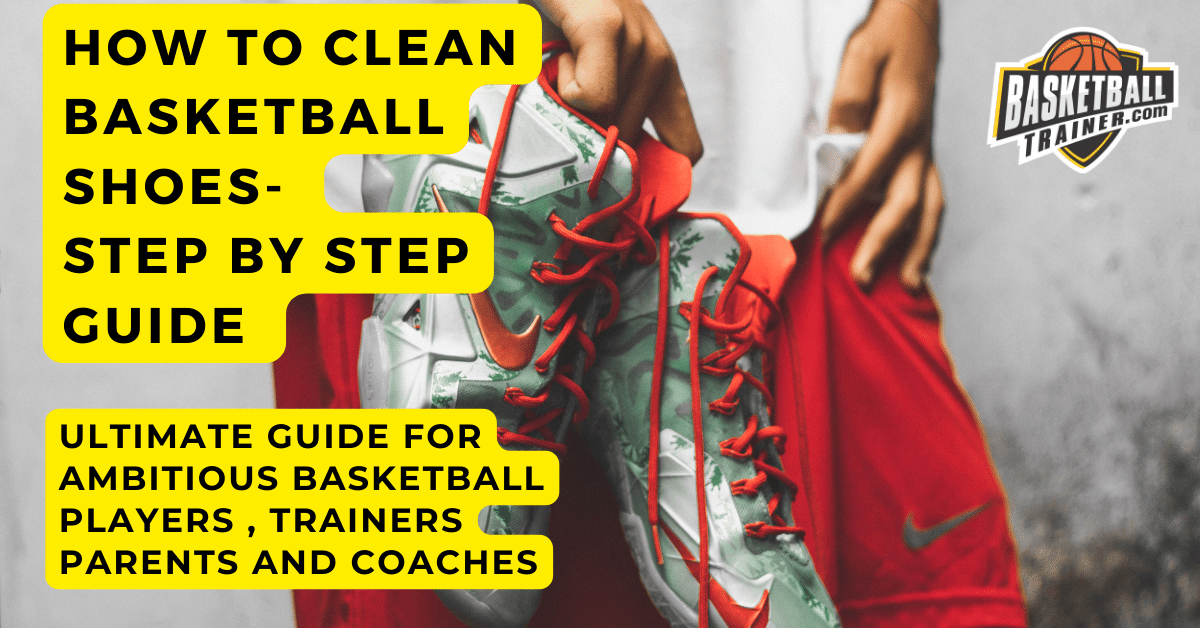
How To Clean Basketball Shoes

How To Clean Basketball Shoes is a skill every basketball player should master.

The condition of your footwear can significantly influence how you play on the court.

Cleaning and maintaining your basketball shoes isn’t just about aesthetics, it’s also about ensuring they are game-ready at all times.

The right cleaning techniques will not only keep them looking fresh but also extend their lifespan. So let’s dive into how to clean basketball shoes effectively.

Table of Contents:

  • Introduction
    • The Significance of Clean Basketball Shoes for a Basketball Player
    • How the Basketball Court Impacts the State of Your Shoes
  • Understanding Basketball Shoe Materials
    • The Importance of Different Materials: Leather, Synthetic Materials, and Mesh
    • Deciding The Best Method Based On Your Shoe’s Material
  • Daily Maintenance: A Key to Long-Lasting Cleanliness
    • The Post-Game Ritual of Dusting Off
    • Maintaining Consistency with Regular Cleaning
    • Avoiding Damaging Elements During Storage
  • Cleaning the Exterior Surface of Your Basketball Shoes
    • Prepping the Shoe: Getting Rid of Loose Dirt with a Dry Brush
    • The Best Way to Clean Basketball Shoes Based on Their Material
  • Tackling Stubborn Stains
    • A Deep Dive into Tough Stains
    • Cleaning White Basketball Shoes Effectively
  • Laces: Ensuring Your Shoes Look and Feel Great
    • Why Clean Laces Complement Clean Shoes
    • Washing Laces: Mild Soap, Cold Water, and Hand Washing Basketball Shoes Frequently
  • The Shoe Sole Saga: Maintaining Good Traction
    • Why Clean Shoe Soles Are Crucial For Basketball Games
    • A Detailed Step-By-Step Guide For Cleaning The Bottom Of Your Shoes
    • The Effective Methods Using A Stiff Brush Vs A Soft-Bristled Brush
  • Advanced Cleaning Methods for Pristine Basketball Shoes
    • Creating Your Own Shoe Cleaner Set
    • Applying The Solution Using a Soft Brush and Circular Motions
    • Drying Techniques: Right Place & Avoiding Direct Sunlight
  • Deodorizing and Freshness: More than Just Clean Looks
    • Natural Deodorization Method Using Baking Soda
    • Potent Maintenance Products We Recommend
  • Drying and Preserving Shape
    • Importance of Avoiding High Heat and Clothes Dryer
    • Using Paper Towels as an Absorbent Material
    • Drying at Room Temperature: Not in Direct Sunlight
  • FAQs in Relation to How to Clean Basketball Shoes
    • What is the best way to clean basketball shoes?
    • Is it OK to Wash your basketball shoes?
    • How do you clean the bottom of basketball shoes without ruining them?
    • Are Nike basketball shoes machine washable?
  • Conclusion

Introduction

Clean basketball shoes are not just about aesthetics; they are crucial for performance and longevity. A well-maintained pair offers superior traction, comfort, and durability.

The Significance of Clean Basketball Shoes for a Basketball Player

Every piece of gear matters to the dedicated player. Clean sneakers provide optimal grip on the court surface, reducing slippage or balance loss during critical game moments. Regular cleaning also prolongs shoe life by preventing material degradation from accumulated dirt and sweat.

Poor cleaning habits lead to early wear-and-tear that impacts both looks and functionality. Your gym footwear deserves extra care as it withstands high-intensity activities regularly.

How the Basketball Court Impacts the State of Your Shoes

Different courts can put varying levels of stress on your kicks. For example, outdoor courts tend to leave more surface debris than indoor hardwood floors, which may induce damaging white salt marks due to perspiration accumulation.

Your cleaning frequency should be guided by where you play most often. Hand washing is recommended if you mostly use outdoor courts because these environments expose your shoes to increased dust and grime build-up over time. Understanding this will help tailor effective maintenance practices suited specifically for your needs.

Keep your game strong with clean basketball shoes. Not just for looks, they offer superior traction and durability. Remember, the court you play on matters too – adjust your cleaning routine accordingly. #BasketballTips Click to Tweet

Understanding Basketball Shoe Materials

Different materials used in constructing basketball shoes necessitate distinct cleaning methods. Understanding these differences can help extend the life of your footwear.

The Importance of Different Materials: Leather, Synthetic Materials, and Mesh

Basketball shoes are commonly made from leather due to its durability and flexibility. When it comes to cleaning leather sneakers, a not-so-harsh shoe cleaning fluid is recommended as it cleans while preserving the material’s integrity.

Synthetic materials offer lightweight properties along with breathability. Cleaning synthetic-made sneakers requires mild soap mixed with warm water or an all-in-one organic cleaning solution specifically designed for synthetic fabrics.

Mesh provides excellent ventilation but needs careful handling during clean-up so as not to cause damage. Frequent hand washing using gentle detergent helps maintain mesh basketball shoes over time.

Deciding The Best Method Based On Your Shoe’s Material

To determine the best method for maintaining your basketball kicks’ cleanliness, you first need to identify their construction material – information usually found on each shoe’s inner label or online if you know their model name/number.

If they’re crafted from leather, consider acquiring a complete shoe cleaner set that includes protective spray against future stains alongside potent maintenance products specially formulated for taking care of this type of material. This kit available on Amazon offers such benefits.

For those owning synthetic or mesh-based footwear, combining white vinegar with warm water should suffice when coupled with regular hand-washing routines. This will ensure your gym shoes deserve extra care without causing any unnecessary wear and tear through poor cleaning habits.

Discover the secret to extending your basketball shoes’ life. Know the right cleaning methods for leather, synthetic materials, and mesh. Your kicks will thank you. #BasketballShoes #SneakerCare Click to Tweet

Daily Maintenance: A Key to Long-Lasting Cleanliness

Keeping your basketball shoes in optimal condition requires more than just occasional cleaning. It demands a consistent and meticulous maintenance routine that starts right after each game.

The Post-Game Ritual of Dusting Off

Your sneakers go through quite an ordeal during every match or training session, accumulating dirt and grime on their surface. Hence, it’s essential to dust off this excess debris using a soft brush immediately post-game. This simple yet effective practice prevents the onset of stubborn stains over time.

Maintaining Consistency with Regular Cleaning

Cleaning basketball shoes frequently is not merely about aesthetics; it directly impacts their longevity as well as performance potential on the court. Poor cleaning habits lead to accelerated wear and tear, which could hamper both comfort levels and grip efficiency during games.

Using specialized products like Complete Shoe Cleaner Sets, you can implement comprehensive clean-up sessions at regular intervals without damaging the fabric integrity due to its all-in-one organic cleaning solution compatibility with various shoe materials, including leather, synthetic fabrics, etc. This ensures long-lasting cleanliness for your prized footwear collection.

Avoiding Damaging Elements During Storage

Besides appropriate washing techniques, storage conditions also play an integral role in maintaining a pristine appearance over extended periods for any sports gear, especially high-performance ones such as professional-grade basketball sneakers. Always store them at room temperature away from damp areas since moisture build-up within sneaker interiors might result in unwanted mold growth, thereby deteriorating the overall material quality gradually but surely over time if left unchecked regularly.

Moreover, applying protective sprays prior to storing these items helps safeguard against potentially harmful elements prevalent particularly during winter months, e.g., white salt marks, etc. This preserves the original look and feel effectively across seasons, irrespective of weather fluctuations experienced throughout the year-round sporting activities involved typically among ambitious players striving towards constant improvement via rigorous daily trainings undertaken diligently alongside school studies apart from other personal commitments adhered to religiously by dedicated individuals aiming for higher echelons within the competitive arena globally recognized universally amongst peers alike worldwide acknowledged widely respected unanimously regardless of cultural diversities existing inherently inherent nature of human

Key Takeaway:

Keep your basketball shoes game-ready with a daily maintenance routine that includes post-game dusting, regular deep cleaning using specialized products, and proper storage away from damaging elements. This not only preserves their look but also enhances longevity and performance.

Cleaning the Exterior Surface of Your Basketball Shoes

For ambitious basketball players, maintaining a clean pair of shoes is about more than just appearance. It’s about ensuring peak performance on the court and extending the lifespan of your shoes.

Prepping the Shoe: Getting Rid of Loose Dirt with a Dry Brush

The initial step in cleaning basketball shoes involves removing surface debris. Utilizing a dry brush with soft bristles will help you dislodge loose dirt without scratching or damaging your sneakers during subsequent washing.

The Best Way to Clean Basketball Shoes Based on Their Material

Different materials necessitate different care methods for effective cleaning that doesn’t compromise their integrity.

Caring for Leather Shoes with Leather Cleaner

If you’re sporting leather-based kicks, consider using a shoe cleaning fluid designed specifically for this material. These maintenance products remove grime while preserving the natural texture and coloration of the leather.

Tackling Synthetic Materials and White Basketball Shoes

Synthetic materials are typically easier to handle – hand washing basketball shoes frequently in warm water mixed with mild soap should do the trick. For white synthetic footwear, combining white vinegar and baking soda works wonders as it helps eliminate those stubborn salt marks common among gym shoes that deserve extra care.

Maintaining Mesh Areas

  1. Gently brushing mesh areas using soapy water prevents compromising its delicate nature but effectively cleanses them of any accumulated dust particles.
  2. Avoid using a clothes dryer after washing to ensure they maintain their shape longer, even if frequent washing goes wrong.
  3. Prioritize applying protective sprays post-cleaning procedure for desired results; these act like sealants, keeping future stains at bay.

Remember: Proper care guarantees game-ready condition and longevity. However, knowing when to invest in new sneakers becomes necessary too; watch out for signs such as excessive wear, tear, and upper sole separation.

Key Takeaway:

Keep your basketball shoes game-ready and long-lasting by properly cleaning them. Brush off loose dirt, then wash according to the shoe’s material – leather cleaner for leather kicks, warm soapy water for synthetics. For white shoes, a vinegar-baking soda mix can tackle stubborn salt marks. Remember to gently clean mesh areas with soapy water and avoid using a clothes

Tackling Stubborn Stains

Despite diligent cleaning, basketball shoes can sometimes fall victim to stubborn stains. These could be anything from grass smears to greasy residues that resist traditional cleaning methods.

A Deep Dive into Tough Stains

The first step in handling tough stains is understanding their origin. Grass and mud marks necessitate a different approach than oil or grease-based ones. A complete shoe cleaner set often provides specialized solutions for various types of blemishes.

In the case of grass and mud, warm water mixed with mild soap typically does the trick while an all-in-one organic cleaning solution may be needed for grease or oil-based spots as it breaks down these without causing harm to your precious sneakers’ material.

Cleaning White Basketball Shoes Effectively

Maintaining white basketball shoes clean presents its unique challenges since they tend to show dirt more easily compared with darker hues. However, by combining white vinegar, baking soda along with warm water you create a not-so-harsh shoe cleaning fluid which effectively eliminates most common sneaker discolorations.

To utilize this homemade mixture, apply it gently using either a soft cloth or sponge until you see visible improvement. Then, rinse thoroughly under lukewarm water before allowing them to air dry naturally away from direct sunlight. Follow the proper drying process guidelines provided earlier on preserving shape after washing goes wrong.

Say goodbye to stubborn stains on your basketball shoes. Discover how different cleaning methods tackle grass, mud or oil-based marks. Plus, learn a homemade hack for keeping white sneakers pristine. #BasketballShoesCleaningGuide Click to Tweet

Laces: Ensuring Your Shoes Look and Feel Great

The condition of your basketball shoes is not solely dependent on the material or soles. The laces, often overlooked in cleaning processes, play a crucial role too.

Why Clean Laces Complement Clean Shoes

Clean laces are necessary to maintain both the aesthetic appeal and functionality of basketball shoes, as well as reduce potential risks during play. Dirty or frayed laces can detract from the look of clean sneakers while also posing potential risks during intense games due to the risk of breakage.

Washing Laces: Mild Soap, Cold Water, and Hand Washing Basketball Shoes Frequently

To keep them looking fresh and new, it is recommended that you regularly wash your shoelaces using mild soap combined with cold water. This method effectively removes dirt without causing damage to the lace fabric itself.

Avoid throwing them directly into a washing machine as this could lead to tangles or even broken threads, which would then require replacement – something best avoided if possible.

Poor Cleaning Habits Lead To Damaged Shoelacing

Poor cleaning habits result in damaged shoelaces, negatively affecting both functionality and aesthetics. Following these pro tips ensures effective shoe maintenance, leading to optimal game readiness at all times.

  • Maintain regular hand washing: Regularly hand-wash basketball shoes using non-harsh shoe-cleaning fluid, such as warm water mixed with mild soap.
  • Drying properly: After rinsing off any residue from the cleaning process, make sure the drying process is done correctly, avoiding high heat sources like a clothes dryer and instead opting for room temperature air-drying out of direct sunlight.
  • Safeguard against future stains: Applying protective sprays after every deep-clean session helps shield against future staining, ensuring longevity alongside cleanliness.

Key Takeaway:

Don’t overlook your laces when cleaning basketball shoes. They’re not just for show, but crucial to shoe performance and aesthetics. Regular hand-washing with mild soap keeps them fresh, while avoiding the washing machine prevents damage. Proper drying and protective sprays help ensure longevity.

The Shoe Sole Saga: Maintaining Good Traction

Imagine a basketball game where your traction is compromised due to unclean shoe soles. Unthinkable, right? This brings us to the significance of clean shoe soles in maintaining good traction during games.

Why Clean Shoe Soles Are Crucial For Basketball Games

Clean shoes provide better friction with ground surfaces, enhancing player performance by enabling swift movements and quick direction changes without slipping or losing balance. Furthermore, dirt accumulation can cause uneven wear over time, which affects both the quality and lifespan of basketball shoes.

A Detailed Step-By-Step Guide For Cleaning The Bottom Of Your Shoes

Basketball players should start the cleaning process by dusting off loose debris using an old toothbrush or stiff brush suitable for such tasks. Once that’s done, it’s time to tackle stubborn stains; warm water combined with mild soap creates a potent yet gentle all-in-one organic cleaning solution perfect for this task.

Rinsing under running water is essential as residue left behind could affect traction once dried up. As part of the drying process after washing, avoid high heat sources like a clothes dryer. Instead, use absorbent material like paper towels. Always ensure they are air-dried at room temperature away from direct sunlight. Applying protective sprays post-cleaning yields desired results while adding an extra layer of protection against future grime build-up.

The Effective Methods Using A Stiff Brush Vs A Soft-Bristled Brush

  • A stiff brush works wonders in removing hard-to-reach mud particles lodged within crevices, whereas soft-bristled brushes cater well towards delicate materials found on some elite sports footwear designs.
  • This, however, doesn’t mean you dive straight into scrubbing the entire sole area – always test out these methods first before proceeding further, ensuring potential damage caused by inappropriate brushing techniques isn’t inflicted upon valuable gym shoes deserving extra care.

Key Takeaway:

Maintaining clean basketball shoe soles is crucial for optimal traction and performance. Use a stiff brush to remove debris, then wash with mild soap and warm water. Avoid high heat when drying; air-dry at room temperature instead. Test brushing methods before full application to prevent potential damage.

Advanced Cleaning Methods for Pristine Basketball Shoes

It involves an advanced level of care and maintenance, which might seem challenging but is essential in maintaining your game-ready sneakers.

1. Creating Your Own Shoe Cleaner Set

You don’t need a harsh shoe cleaning fluid or expensive cleaners to achieve clean basketball shoes; you can create your own all-in-one organic cleaning solution with eco-friendly laundry detergent and warm water. Combine these two ingredients until they form a soapy mixture that’s perfect for tackling stubborn stains and surface debris on your footwear.

Nike suggests using this homemade cleaner as it’s both effective and environmentally friendly.

2. Applying The Solution Using a Soft Brush and Circular Motions

To effectively apply this self-made solution, use a soft brush (like an old toothbrush) and gently move in circular motions across the shoe’s material. This technique helps lift off dirt without causing any damage.

3. Drying Techniques: Right Place & Avoiding Direct Sunlight

Avoiding high heat sources like direct sunlight during the drying process preserves the color vibrancy of basketball shoes. The best place would be a cool, well-ventilated area where air circulates freely. Nike, a leading brand in sports gear, emphasizes the importance of avoiding a clothes dryer or other artificial heat sources when drying gym shoes.

Another pro tip includes stuffing crumpled paper towels inside each sneaker to absorb excess moisture, thereby preserving their original shape. Remember, persistence pays off here – let them dry naturally instead of rushing things along with unnatural heating.

Ace your sneaker game with these pro tips. Create an eco-friendly cleaner, use a soft brush for application, and let them dry naturally. No more dirty basketball shoes. #CleanKicks Click to Tweet

Deodorizing and Freshness: More than Just Clean Looks

The unpleasant odor often associated with basketball shoes is a result of sweat accumulation, creating an ideal environment for bacteria growth. This microbial activity results in the smell that players frequently encounter.

A natural method to combat this issue involves using baking soda, which has proven effective due to its moisture-absorbing properties and ability to neutralize pH levels. Baking soda can effectively eliminate bad smells by destroying bacteria.

Natural Deodorization Method Using Baking Soda

To leverage the power of baking soda for shoe deodorization, sprinkle it generously inside your basketball shoes after each game or training session. Allow it to sit overnight while you rest; as time passes, its absorption capabilities become more potent.

In preparation for your next wear or cleaning process, tap out any remaining powder from each shoe outside – not over indoor surfaces where people may walk barefooted. The tiny particles are powerful enough to absorb both moisture and odors even within hard-to-reach areas inside your shoes.

Potent Maintenance Products We Recommend

If home remedies like baking soda aren’t quite cutting it when combating stubborn odors found in athletic footwear, we recommend elite sports deodorizers such as Sof Sole Sneaker Balls Shoe Deodorizers. These products have been specifically designed without damaging their construct. It’s important gym shoes deserve extra care because they face intense conditions during playtime on the court. Proper attention towards cleanliness ensures longevity while maintaining optimal performance levels.

Remember that good maintenance practices extend beyond just cleaning; drying at room temperature away from direct sunlight helps preserve shape, applying protective sprays provides additional protection against future stains, and ensuring proper storage all contribute towards keeping sneakers fresh smelling ready whenever game day arrives.

Key Takeaway:

Keep your basketball shoes fresh and odor-free by using baking soda, a natural deodorizer that absorbs moisture and neutralizes pH levels. If odors persist, consider professional sports deodorizers like Sof Sole Sneaker Balls. Remember, proper shoe maintenance extends beyond cleaning – it includes drying, applying protective sprays, and correct storage.

10. Drying and Preserving Shape

The drying process of your basketball shoes is as vital to their longevity as the cleaning itself, with improper techniques leading to material degradation or color fading.

Importance of Avoiding High Heat and Clothes Dryer

Avoid using high heat sources like clothes dryers for drying your cleaned basketball shoes. This can weaken the glue that holds different parts together in constructing basketball shoes, causing them to separate over time.

Using Paper Towels as an Absorbent Material

To kickstart the shoe maintenance through proper drying, utilize absorbent materials such as paper towels. Insert these into your freshly washed sneakers; they will help draw out excess moisture from inside, which could otherwise lead to odors later on if not properly addressed during this stage.

Drying at Room Temperature: Not in Direct Sunlight

Your gym shoes deserve extra care even when it comes down to air-drying. Always ensure you are letting them dry naturally at room temperature away from direct sunlight exposure that may cause discoloration over time due to its harmful UV rays’ effect on certain materials used in making most athletic footwear today, including leather and synthetic fabrics alike.

Applying Protective Sprays for Desired Results

If you are looking forward to preventing future stains after going through all those steps above, then consider applying a protective spray once completely dried off post-cleaning session – just make sure the product chosen doesn’t alter the texture or colors present within said pair so results remain consistent across the entire surface area covered by the same throughout the use period ahead, regardless of external conditions faced along the way, especially considering how much wear and tear is typically experienced during any given game season depending upon the player’s individual performance level plus the overall team strategy employed therein among other factors involved here too, perhaps?

Key Takeaway:

Key Takeaway: Drying your basketball shoes correctly is crucial to their longevity. Avoid high heat sources, instead use absorbent materials like paper towels and air-dry at room temperature away from sunlight. Consider applying a protective spray post-cleaning for future stain prevention, ensuring it doesn’t alter the shoe’s texture or color.

FAQs in Relation to How to Clean Basketball Shoes

What is the best way to clean basketball shoes?

The ideal method involves dusting off dirt, cleaning the exterior based on shoe material, tackling stubborn stains, washing laces separately, and maintaining soles for good traction. Always dry at room temperature.

Is it OK to Wash your basketball shoes?

Yes, but avoid machine washes as they can damage the shoe’s structure. Instead, hand-wash using a soft brush and mild detergent solution.

How do you clean the bottom of basketball shoes without ruining them?

Clean soles with a stiff brush or toothbrush using warm water and soap. Avoid soaking in water as this may weaken adhesive bonds.

Are Nike basketball shoes machine washable?

No, most Nike sneakers are not designed for machine washing. Hand-washing is recommended to preserve their shape and functionality.

Conclusion

Knowing how to clean basketball shoes is a game-changer. Not only is it important for appearances, but also to ensure optimal performance on the court.

Different materials require different cleaning methods – leather, synthetic, or mesh, each has its own care routine.

Regular maintenance and proper storage are key for long-lasting cleanliness. Remember that your shoe laces and soles need attention too!

Tough stains can be tackled with simple household items like dish soap or even toothpaste. A bit of elbow grease goes a long way in keeping those sneakers pristine.

Advanced cleaning techniques using eco-friendly solutions help maintain their condition while being kind to our planet. Don’t forget deodorizing – freshness matters as much as cleanliness!

Drying properly ensures shape preservation and avoids damage from high heat exposure. And if things go wrong? You’ve learned when it might be time to invest in new kicks.

Finally,

, offers more than just tips on maintaining your gear; we connect ambitious players like you with expert trainers, top-notch teams, camps, training products, and apps – all aimed at helping you reach your full potential! So why wait? Jump
 

Filed Under: Basketball Parenting, Basketball shoes, Basketball Trainer Blog, blog

Plyometric Exercises for Basketball Peak Performance

August 15, 2023 By basketballtrainer


Plyometric Exercises for Basketball

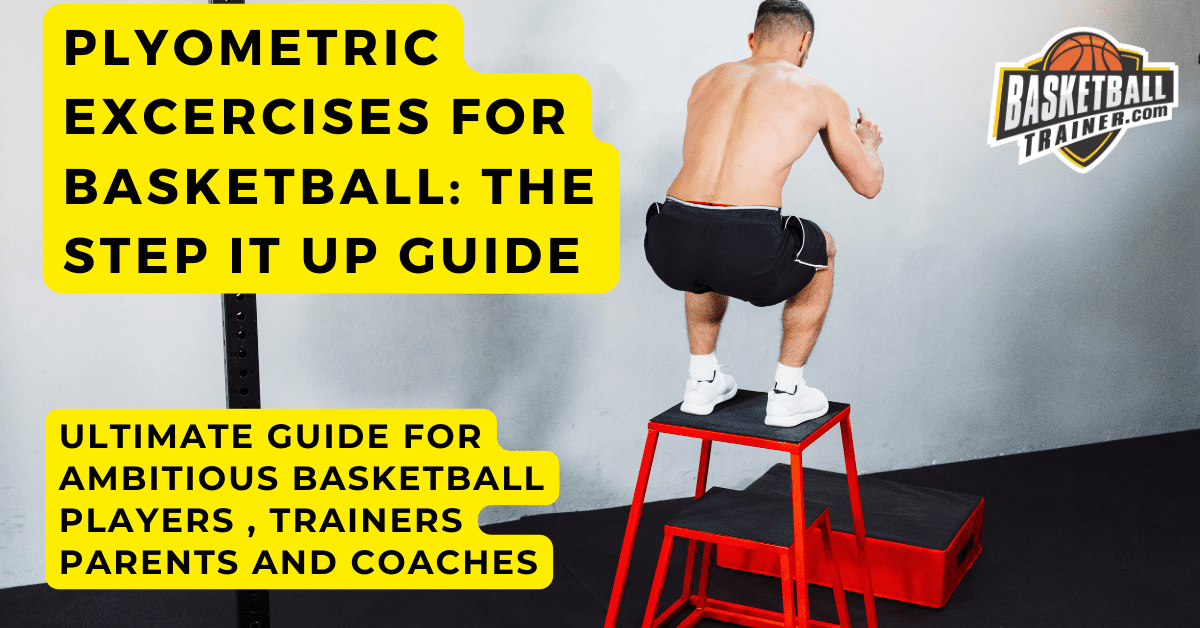
Plyometric Exercises for Basketball are a game-changer, no doubt about it.

For those looking to take their basketball game up a notch, plyometric exercises are the perfect way to leverage your body’s natural mechanics and muscle contractions.

The secret? It lies in how plyometrics tap into your body’s natural mechanics and muscle contractions.

Incorporating Plyometric Exercises for Basketball into your training routine can significantly boost your jumping ability and speed – two crucial elements in basketball.

Table of Contents:

  • Introduction
    • Unpacking Plyometric Exercises for Peak Basketball Performance
    • The Symbiotic Relationship: Plyometrics and Basketball Players
  • Foundations of Plyometrics
    • The Science Behind Plyometrics: The Stretch-Shortening Cycle
    • Muscle Contractions in Plyometric Drills: Eccentric vs Concentric
    • Fast-Twitch Muscle Fibers and Their Role in Explosive Movements
  • Benefits of Plyometric Workouts for Basketball Players
    • Harnessing Explosive Power for Vertical Leap Enhancement
    • Significant Improvements in Jumping Ability and Vertical Jump Height
    • Quick Movements & Quick Changes of Direction: Elevating Your Basketball Game
    • The Role Of Plyometrics In Injury Prevention
  • Essential Plyometric Moves for Basketball
    • Box Jump & Depth Jump: Leap to Your Highest Point
    • Jump Squat & Squat Jumps: Combining Lower Body Strength and Explosive Power
  • Constructing Your Plyometric Training Program
    • Step 1: Start with the Basics – Recommendations for Young Athletes and High School Players
    • Step 2: Formulate an Effective Workout Routine – Optimal Number of Repetitions
  • Safety, Proper Technique, and Good Form
    • The Importance of Proper Training and Control Group Mechanisms
    • Warming Up: Priming Fast-Twitch Fibers
  • Real-Life Applications: Plyometrics in Modern Basketball
    • Notable Players and Coaches Advocating for Plyometric Programs
    • The Influence of Plyometrics on the Game in Recent Years
    • Merging Training Sessions: From Weight Room to Basketball Court
  • Taking Your Game to the Next Level
    • Embracing Plyometric Routines for Significant Increases in Athletic Performance
  • FAQs in Relation to Plyometric Exercises for Basketball
    • How can plyometrics help with basketball?
    • What is the plyometric program for basketball?
    • What exercises do NBA players do to jump higher?
    • How many days a week should a basketball player do plyometrics?
  • Conclusion

Introduction

The realm of basketball training has seen a notable shift towards the integration of plyometric exercises. These dynamic movements, which involve rapid stretching and contracting of muscles, have been proven to be instrumental in developing explosive power and agility on the court.

Plyometrics go beyond merely jumping higher or running faster; they’re about leveraging your body’s natural mechanics to optimize performance. Incorporating plyometric exercises into your workout routine can help you gain the competitive edge needed to get ahead in a game.

This is where BasketballTrainer.com steps up as an invaluable resource by providing expert advice on how to effectively incorporate these workouts into your routine. From explaining what plyometrics entail to detailing specific drills designed for ambitious basketball players, we aim to equip you with knowledge that will elevate your game significantly.

Unpacking Plyometric Exercises for Peak Basketball Performance

Incorporating plyometric exercises isn’t just another trend—it’s backed by science. The quick muscle contractions involved closely mimic many actions performed during an actual game—jumping for rebounds, sprinting downcourt after steals, or quickly changing direction while dribbling—all require activation of fast-twitch muscle fibers.

Basketball players who engage regularly in this form of exercise often see improvements not only in their vertical leap but also in their overall speed and agility on the court – critical aspects needed when striving for peak performance levels at every stage from high school leagues through professional ranks. Research suggests that the potential energy stored within our muscles during rapid elongation (as occurs during eccentric contraction) gets released as kinetic energy via concentric contraction—the very essence behind most sports movements including jumps or sprints.

The Symbiotic Relationship: Plyometrics and Basketball Players

To truly comprehend why incorporating plyometric exercises is so effective at enhancing athletic prowess—and specifically improving skills vital to success on the hardwood—you must first understand some foundational principles underpinning it.

A significant aspect involves recognizing the relationship between the type of workout and improved player development programs in

Key Takeaway:

Plyometric exercises, with their rapid muscle contractions and releases, are a game-changer in basketball training. They boost your explosive power and agility on the court by mimicking game actions like jumping for rebounds or sprinting downcourt. Don’t just follow trends – train smarter with science-backed plyometrics.

Foundations of Plyometrics

Plyometric training is rooted in the principles of human physiology and biomechanics. A clear understanding of these foundations can help basketball players reach their peak performance.

The Science Behind Plyometrics: The Stretch-Shortening Cycle

In plyometric exercises, a phenomenon known as the stretch-shortening cycle (SSC) comes into play. This process involves an eccentric contraction where muscles lengthen under tension, immediately followed by a concentric contraction where muscles shorten. It’s this SSC that creates spring-like stiffness, enabling explosive movements such as jumping or sprinting.

Maintaining proper foot pressure during quick ground contact continues this stretch-shortening cycle throughout each plyometric movement. By maintaining proper mechanics, athletes can effectively harness this energy transfer for better overall athletic output.

Muscle Contractions in Plyometric Drills: Eccentric vs Concentric

Eccentric contractions happen when a muscle stretches while bearing load – imagine lowering yourself into a squat position before launching off for single-leg squat jumps. These contractions store potential energy which gets explosively released through concentric contractions later on.

Concentric contractions involve shortening your muscle under tension – think about propelling upwards from a squatting stance during double-leg jumps or how single-leg bounding exercises contribute towards powerful leaps necessary for all ambitious basketball players out there.

Fast-Twitch Muscle Fibers and Their Role in Explosive Movements

Your body contains two main types of skeletal muscle fibers, namely slow-twitch (Type I) and fast-twitch (Type II). Slow-twitch fibers are designed more for endurance, whereas fast-twitch fibers power high-intensity bursts like those commonly found in plyometrics involving jumping actions. Focusing on activating Type II fibers with drills like single-leg medial hops or rotational hops offers dynamic strength gains essential for rapid direction changes often seen within gameplay situations.

By incorporating regular plyometric exercises, you may potentially increase the proportionate presence of Fast Twitch fibers, leading to improved speed, agility, reaction time, along with vertical jump height.

These fundamentals provide insight into why certain methods work best when it comes

Key Takeaway:

Plyometric training, rooted in human physiology and biomechanics, uses the stretch-shortening cycle (SSC) for explosive movements like jumping or sprinting. This involves eccentric contractions that store potential energy, released later through concentric contractions. Regular plyometrics can enhance fast-twitch muscle fibers, improving speed, agility and vertical jump height.

Benefits of Plyometric Workouts for Basketball Players

Plyometrics, a form of exercise that focuses on quick, explosive movements such as jumps and bounds, is widely recognized in the world of sports training. For basketball players aiming to improve their game performance significantly, incorporating plyometric exercises can be transformative.

Harnessing Explosive Power for Vertical Leap Enhancement

The science behind plyometrics reveals its effectiveness in enhancing vertical leap ability among athletes. The drills involved – like jump squats or box jumps – create spring-like stiffness within muscles and tendons. This mechanism enables athletes to generate more power into each leap than they could with strength training alone.

A core principle at play here involves jumping exercises focusing on rapid ground contact times – teaching your body how to channel greater energy into every single leap you make during a match or practice session.

Significant Improvements in Jumping Ability and Vertical Jump Height

Incorporating these types of workouts has been shown through research studies conducted by leading institutions around the globe; it leads not only to improved muscle strength but also enhanced neuromuscular efficiency which helps control muscles efficiently under high-intensity conditions typical in basketball games where sudden leaps are often required from players.

Quick Movements & Quick Changes of Direction: Elevating Your Basketball Game

Basketball demands agility—rapid changes while maintaining proper foot pressure define crucial elements within any competitive situation. Specific plyometric moves like single leg bounding contribute greatly towards this end—they help develop proprioception (the sense self-movement) along with improving lateral speed—a vital skill when dodging opponents on court.

Moves including rotational hops offer similar benefits—they encourage faster reaction times by incorporating quick ground contact time drills which ultimately enhances overall performance especially under dynamic conditions commonly experienced during an intense basketball game.

The Role Of Plyometrics In Injury Prevention

An unexpected benefit derived from regular participation is injury prevention. By strengthening fast-twitch muscle fibers—the ones responsible for explosive actions—and improving joint stability. These workouts reduce risks associated common injuries such sprains strains caused sudden directional changes hard landings after jumps. Furthermore, ensuring mechanics throughout movement ensures safe execution even

Key Takeaway:

Boost your basketball game with plyometric exercises. They enhance your vertical leap, improve agility and quick direction changes, and even help prevent injuries. It’s not just about muscle strength; it’s also about neuromuscular efficiency for those high-intensity moments on the court.

Essential Plyometric Moves for Basketball

Plyometrics involve jumping, bounding, and quick ground contact time. These exercises are vital in enhancing basketball performance.

Box Jump & Depth Jump: Leap to Your Highest Point

Maintaining proper foot pressure during these jumps is key in ensuring an effective workout and reducing the risk of injury. This not only improves your jumping ability but also contributes significantly to improving quick ground contact time – a critical aspect of successful basketball play.

Jump Squat & Squat Jumps: Combining Lower Body Strength and Explosive Power

Incorporating plyometric exercises like jump squats and squat jumps can provide excellent results in terms of both strength training and plyometric benefits. Start with feet shoulder-width apart in a squat position, then explode upwards as high as possible before landing softly back into the squat position again.

This creates spring-like stiffness, which increases vertical leap capabilities over time.

Landing Mechanics: Ensuring Proper Form And Reducing the Risk of Injury

All aforementioned drills must be executed with utmost care around landing mechanics, especially when incorporating such powerful upper-body contractions regularly within routines. Players can expect significant improvements in areas like shooting accuracy due to improved arm strength, as well as better defensive abilities courtesy of enhanced chest/shoulder endurance levels too.

Boost your basketball game with plyometric exercises. Improve jump height, quick ground contact time and reduce injury risk. Get explosive power from Jump Squats & Box Jumps while enhancing shooting accuracy & defensive abilities. #BasketballTraining #Plyometrics Click to Tweet

Constructing Your Plyometric Training Program

But how do you build a plyometric training program that suits your needs? Begin your plyometric training program by following these key steps.

Step 1: Start with the Basics – Recommendations for Young Athletes and High School Players

The first step in any successful plyometric training journey is understanding the basics. For young athletes or high school players just starting out, it’s crucial to begin with simple exercises like jump squats or box jumps before progressing into more advanced drills such as single leg squat jumps.

Maintaining proper foot pressure during these basic moves helps develop proprioception, which improves balance on the court while enhancing unilateral strength – an essential component of superior basketball performance.

Step 2: Formulate an Effective Workout Routine – Optimal Number of Repetitions

An effective workout routine requires careful planning around repetitions. Too many reps could lead to overtraining, whereas too few might not yield significant results.
Incorporating double leg jumps or single leg bounding exercises contributes significantly towards the total ground contacts count; hence, their inclusion should be considered when formulating routines.

Boost your basketball game with plyometric training. Start with basics like jump squats and box jumps, then plan an effective workout routine. Balance, strength, and careful repetition planning are key to peak performance. #BasketballTraining #Plyometrics Click to Tweet

Safety, Proper Technique, and Good Form

Engaging in plyometric exercises can result in noteworthy improvements to an athlete’s capabilities. However, the benefits of these routines are maximized when safety measures and correct techniques are implemented.

The Importance of Proper Training and Control Group Mechanisms

Plyometrics involve high-intensity exercises that exert substantial stress on your muscles. As such, it’s crucial to have a well-structured program designed to balance strength development with injury prevention. Research has shown that incorporating control group mechanisms into workout regimens is beneficial for maintaining this equilibrium.

A control group mechanism could be as simple as keeping a logbook where you track reps or sets along with rest periods. Alternatively, there are apps specifically developed for tracking workouts which also serve the same purpose effectively.

Warming Up: Priming Fast-Twitch Fibers

An effective warm-up before starting any exercise routine cannot be overstated, especially when engaging in plyometric movements like single leg bounding or double leg jumps involving quick ground contact times. Warming up prepares fast-twitch muscle fibers by increasing blood flow, thus reducing the risk of injuries associated with intense movements characteristic of Plyometrics.

This involves standing with feet shoulder-width apart while slightly bending knees, akin to a squat position, which creates the spring-like stiffness necessary for enhancing jumping ability during plyometric workouts.

Balancing High Intensity Exercises & Recovery: Recognizing Overtraining Syndrome (OTS)

Incorporating Plyometrics into basketball players’ regimen necessitates understanding their bodies’ limits to avoid overuse injuries potentially leading to OTS, characterized by prolonged fatigue despite adequate rest. Studies indicate symptoms of persistent tiredness, irritability, loss of appetite, etc., indicative of over-training syndrome, requiring immediate consultation with a sports medicine professional who might recommend changes to the current training schedule, ensuring optimal recovery time between sessions.

Maintaining Leg Strength, Hip Flexors, & Keeping Feet Shoulder

Key Takeaway:

To reap the full benefits of plyometric training for basketball, ensure safety and proper technique, balance strength development with injury prevention, warm up effectively to prime fast-twitch fibers, avoid overtraining syndrome by recognizing your body’s limits and maintain optimal leg strength.

Real-Life Applications: Plyometrics in Modern Basketball

Plyometric training has had a significant impact on the modern game of basketball. Many top athletes and coaches have embraced plyometrics, recognizing its potential to boost on-court performance.

Notable Players and Coaches Advocating for Plyometric Programs

The likes of Russell Westbrook’s explosive speed can be attributed to consistent plyometric exercises. Similarly, Tim Grover, who trained legends like Michael Jordan, is an advocate for incorporating quick ground contact drills within his athletes’ routines.

The Influence of Plyometrics on the Game in Recent Years

In recent years, we have seen a shift towards more dynamic movements, such as those found in single-leg bounding exercises or rotational hops, which are integral components of plyometric workouts. This transition has not gone unnoticed, with teams now focusing more attention on strength conditioning programs that incorporate lateral movement along with traditional weightlifting regimens, thereby enhancing their overall performance during games.

Merging Training Sessions: From Weight Room to Basketball Court

Apart from improving athletic prowess through activities such as maintaining proper foot pressure while making swift moves around opponents or shooting hoops under different pressure situations, integrating targeted workouts helps develop proprioception necessary for performing complex maneuvers effortlessly during real matches, taking your game several notches higher.

Experience the power of plyometrics in modern basketball. From Russell Westbrook’s speed to Michael Jordan’s agility, it all boils down to consistent plyometric exercises. Get on board and take your game several notches higher. #BasketballTraining #Plyometrics Click to Tweet

Taking Your Game to the Next Level

For ambitious basketball players, plyometric training tips are essential tools for enhancing performance. The incorporation of plyometrics involves jumping and quick ground contact exercises that can significantly boost athletic prowess.

The effectiveness of these workouts in improving specific basketball skills is widely recognized among trainers and athletes alike.

Embracing Plyometric Routines for Significant Increases in Athletic Performance

Plyometrics engage fast-twitch muscle fibers responsible for explosive movements on the court. This includes actions such as sprinting or leaping during a game – all crucial elements where speed matters. Research suggests that regular practice of depth jumps enhances vertical jump height, an asset when shooting or blocking shots during games.

Moreover, incorporating plyometric exercises like box jumps, squat jumps, and single leg bounds into your regimen not only mimics game-like situations but also improves strength endurance.

Plyometric Moves: A Great Way to Enhance Specific Basketball Skills

Beyond general athleticism improvements, plyometrics have direct benefits for specific basketball skills. For instance, the emphasis on quick ground contact time in many plyo workouts aids players in rapid changes of direction – essential for dribbling past opponents and switching from offense to defense quickly.

Maintaining proper foot pressure throughout these exercises ensures optimal transfer of force from muscles to the floor; this skill translates directly onto the court, maintaining balance while moving rapidly is key. The same goes for rotational hops, which offer great benefits in helping develop proprioception (body awareness) and allowing better control over body movements in high-intensity moments in games.

Beyond Physical Benefits: Mental Toughness & Confidence Building

Incorporating challenging routines like plyometrics not only improves physical capabilities but also helps build mental toughness – another critical aspect often overlooked in sports training. The intensity required by these workouts pushes athletes out of their comfort zone regularly, thereby fostering resilience and determination – qualities necessary both on-and-off-court.

Merging Training Sessions: From Weight Room To Basketball Court

Key Takeaway:

Master the court with plyometric training – it’s not just about boosting your jumps and sprints, but also honing specific basketball skills like quick direction changes. Plus, these intense workouts can toughen you up mentally too.

FAQs in Relation to Plyometric Exercises for Basketball

How can plyometrics help with basketball?

Plyometric exercises enhance explosive power, speed, and agility in basketball players. They improve vertical jump height, quick movements, and changes of direction, crucial for peak performance on the court.

What is the plyometric program for basketball?

A plyometric program includes exercises like box jumps, squat jumps, bounds, and push-ups. It’s designed to engage fast-twitch muscle fibers responsible for swift and powerful movements in basketball.

What exercises do NBA players do to jump higher?

NBA players often perform box jumps, depth jumps, and squat jumps as part of their training regimen. These plyometric drills specifically target muscles used in jumping to increase vertical leap ability.

How many days a week should a basketball player do plyometrics?

Basketball players should incorporate 2-4 sessions of targeted plyometric workouts into their weekly routine. This allows sufficient recovery time between high-intensity sessions while still promoting athletic development.

Conclusion

Unleashing your basketball potential is no longer a far-fetched dream.

Plyometric Exercises for Basketball have shown us the way to peak performance on the court.

We’ve explored how these high-intensity workouts tap into our body’s natural mechanics and muscle contractions, boosting jumping ability and speed – two crucial elements in any game of hoops.

The science behind plyometrics has been demystified, revealing its foundation in the Stretch-Shortening Cycle and fast-twitch muscle fibers that fuel explosive movements.

From box jumps to squat jumps, we’ve uncovered essential moves that engage your entire lower body while also bolstering upper body athletic ability.

Incorporating Plyometric exercises into your training routine can lead not only to enhanced performance but also injury prevention – an often overlooked yet vital aspect of player development.

A well-constructed plyometric program balances intensity with recovery periods, integrates strength training, and tracks progress for continuous improvement. And remember: safety first! Proper technique is paramount when performing these powerful drills.

No matter where you are in your basketball journey—whether a young athlete or seasoned pro—plyometrics can take you higher than ever before. So why wait? It’s time to elevate!

If


Filed Under: Basketball Conditioning, Basketball Player Development, Basketball Trainer Blog, blog, Training

Basketball Box Out Drills To Dominate the Boards

August 15, 2023 By basketballtrainer

Basketball Box Out Drills

Mastering basketball box out drills is a game-changing move.

This crucial skill can significantly elevate your performance on the court, but many players struggle to perfect it. It’s no easy feat, after all.

The gap between an ordinary athlete and a great one may be defined by their capacity to block out competitors effectively. But if you’re unsure how to improve this aspect of your game, you may find yourself stuck at your current level.

Basketball box out drills are key for developing solid rebounding skills. Without them, advancing in your basketball career could be a daunting task indeed.

Table of Contents:

  • Introduction
    • The Importance of Rebounding: Essential Skill for Both Offensive and Defensive Players
    • Why Boxing Out is a Game-Changer for Defensive Possessions
  • Unraveling the Basics of Boxing Out
    • Decoding “Boxing Out”: Defensive Boards vs Offensive Rebounding Explained
    • Pivotal Fundamentals: Understanding Missed Shots & Wide Stance Dynamics
  • The Player’s Stance
    • Proper Foot Placement: The First Player to Establish a Wide Stance Wins
    • Body Positioning Against an Offensive Player
    • Hand and Arm Placement for Optimal Hand-Eye Coordination
  • Perfecting Your Game with Basketball Box Out Drills
    • Drills to Strengthen Your Box Out Techniques
    • Partner Push Drill: Engage the Offensive Board Seeker
    • The Box Out and Pursue Drill: Chase the Flight of the Ball
  • Advanced Box Out Techniques
    • Predicting the Jump Shot Path: Reading the Shooter’s Angle
    • Leverage Against Offensive Team Players: The Power Play Strategy
    • Preventing Offensive Rebounding: The Swipe and Seal Technique
  • Team-Based Box Out Drills
    • Team Rebounding Challenges: Defensive Drills vs Offensive Drills
    • Zone Box Out Scenarios: Defending Against Zone Defense Attacks
    • Fast-Break Rebounding Drills: When The Coach Shoots, Who Gets Back Of The Line?
  • Conditioning for Superior Rebounding: The Key to Dominating the Boards
    • Endurance Drills: Building Stamina from Youth Players to Elite Level
    • Plyometric Exercises: Power Up Your Jumping Ability and Reaction Time
    • Core Workouts For Better Balance : Become A Great Rebounder With Muscle Memory
  • Case Studies: Rebounding Legends
    • Analyzing Dennis Rodman: From Defensive Rebounder to Social Media Legend
    • The Box Out Mastery of Charles Barkley: Becoming a Better Player Through Specific Drills
    • Kevin Garnett: Intensity and Technique in Basketball Training Videos
  • Monitoring and Measuring Progress
    • Setting Personal and Team Goals: From Box Outs to Full Defensive Drills
    • Regularly Reviewing Game Footage: The Role of Modern Tech and Social Media
    • Seeking Feedback from Coaches: Adjusting Practice Plans and Drills
  • FAQs in Relation to Basketball Box Out Drills
    • How do you teach a child to box out in basketball?
    • How do I teach my child to rebound?
    • How can I improve my box out in basketball?
    • Can you box out on offense?
  • Conclusion

Introduction

Basketball centers around having the ball, and rebounding is a critical factor in attaining it. As BasketballForCoaches.com rightly points out:

In other words, ambitious basketball players can turn the tide by mastering this skill – not only does it provide more scoring opportunities for your team but also disrupts opponents’ rhythm by limiting their second-chance shots.

The Importance of Rebounding: Essential Skill for Both Offensive and Defensive Players

Becoming proficient at rebounding provides an advantage on both ends of the court. Even teams with fewer tall players can effectively box-out to limit offensive rebounds and shot attempts, providing fewer scoring opportunities for them.

Why Boxing Out is a Game-Changer for Defensive Possessions

“Boxing out”, as its name suggests, requires using one’s body as a barrier between an opponent and the basket after a shot has been taken. This technique increases chances at securing rebounds while keeping momentum on your side.

Boost your basketball game by mastering rebounding. Not only does it provide more scoring opportunities, but it also disrupts opponents’ rhythm. Learn the art of boxing out and turn the tide in your favor. #BasketballDrills #BoxOutSkills Click to Tweet

Unraveling the Basics of Boxing Out

In basketball, mastering fundamental skills like boxing out can be a game-changer. It’s not just about having good height or big vertical jump; it’s more about effective positioning and anticipation to control rebounds and limit your opponenta€™s scoring opportunities.

Decoding “Boxing Out”: Defensive Boards vs Offensive Rebounding Explained

In basketball, “boxing out” is a phrase used to describe when defenders keep their adversaries away from the hoop after a shot has been taken in order to increase their likelihood of obtaining the rebound and maintaining control for their team. This strategy significantly enhances their chances of securing rebounds, thereby maintaining possession for their team.

This contrasts with offensive rebounding where players aim at attacking the basket following missed shots by teammates. The objective here is seizing another opportunity for scoring points. Breakthrough Basketball suggests both these techniques are critical in controlling ball possession and sustaining momentum during games.

Pivotal Fundamentals: Understanding Missed Shots & Wide Stance Dynamics

The first step towards effective box-out involves predicting how missed shots will bounce off either rim or backboard – this helps you position yourself correctly under the hoop before your rival does so. Over time, watching practices or analyzing game footage could help develop this instinctive understanding further.

The second crucial element revolves around establishing an optimal box-out stance – one wide enough making it difficult for opposing player(s) to get past without committing fouls. A wider base gives better balance while also preventing others from pushing past you towards free-throw line area.
This way even shortest teams with fewer scoring opportunities have higher odds at grabbing those precious rebounds o1’s shot might offer.

Elevate your basketball game by mastering the art of boxing out. It’s not just about height or jump, but positioning and anticipation. Learn to control rebounds and limit opponent scoring opportunities. #BasketballDrills #BoxingOut Click to Tweet

The Player’s Stance

When it comes to mastering the art of boxing out in basketball, understanding and perfecting your stance is a game-changer. The player’s stance involves three critical components: proper foot placement, body positioning against an offensive player, and hand-eye coordination.

Proper Foot Placement: The First Player to Establish a Wide Stance Wins

A wide base offers stability during box-out situations. Your feet should be shoulder-width apart or slightly wider with knees bent for agility. By pivoting on one foot while using the other to step into your opponent you establish position between them and the basket – crucial when competing for rebounds.

Body Positioning Against an Offensive Player

Your chest must face towards your opponent with elbows spread as if trying to make yourself larger – this posture helps create physical barriers that deter opponents from slipping past easily.

You’ll need lower body strength too; push back using hips and legs rather than upper body which could lead foul calls due pushing off arms.(source).

Hand and Arm Placement for Optimal Hand-Eye Coordination

In addition, hands play a vital role here – keep active ready to grab the ball once it hits the rim. Remember the ‘see-do’ principle: Observe where the ball is headed and act quickly to be in position first.

Raise the arm nearest the basket to block out the opponent while reaching up high with the other to catch the rebound (source). Proper hand-arm coordination can significantly increase the chances of securing rebounds, thus giving the team fewer scoring opportunities.

Elevate your basketball game by mastering the art of boxing out. From proper foot placement to body positioning and hand-eye coordination, these tips will help you secure more rebounds. #BasketballDrills Click to Tweet

Perfecting Your Game with Basketball Box Out Drills

Improve your rebounding skills with our comprehensive guide on basketball box out drills. Discover techniques and exercises that can elevate your game today.

Drills to Strengthen Your Box Out Techniques

In the realm of basketball training, mastering box out techniques is crucial. These drills are designed not only for those with good height or a big vertical jump but also for shorter teams who can become great rebounders by honing their skills.

Partner Push Drill: Engage the Offensive Board Seeker

This drill takes place in the free-throw line area where two players stand back-to-back. The defensive player uses lower body strength and balance to push against their partner, simulating an effective box-out situation during rebounds one’s shot might produce on the court.

The Box Out and Pursue Drill: Chase the Flight of the Ball

A shooter initiates this exercise from any spot on the court while another player positions themselves between the shooter and the basket before pursuing potential rebounds. This drill aids in improving reaction time post missed shots by teaching anticipation of the ball’s trajectory after misses. BasketballForCoaches.com provides detailed instructions about this boxing out technique that helps create fewer scoring opportunities for opponents.

The Circle Box-Out Exercise: From Free-Throw Line Area to Half Court

Circle box-out exercises involve defensive players spread around the free-throw circle aiming to secure possible rebounds off the rim or backboard during half-court games like 3-man rebounding basketball drills or team’s rebounding 3-box setups. Hoopskills recommends these exercises as part of regular practice plans and drills.

1v1 Rebound & Run: Outlet Pass To Next Level

This high-intensity workout begins with one-on-one competition under the basket over an inbound pass followed immediately by a transition into offensive attack towards the opposite end court within the same possession. It enhances endurance along with coordination among teammates when passing under

Key Takeaway: 

Hone your rebounding prowess with basketball box out drills, regardless of height or jump ability. From the Partner Push Drill to 1v1 Rebound & Run, these exercises enhance lower body strength, reaction time and team coordination for a winning edge on court.

Advanced Box Out Techniques

The mastery of boxing out in basketball goes beyond the basics. Ambitious basketball players can employ advanced techniques to enhance their rebounding capabilities and create fewer scoring opportunities for opponents.

Predicting the Jump Shot Path: Reading the Shooter’s Angle

An essential part of effective box-outs is predicting where a missed shot will land, which often depends on understanding the shooter’s angle. Keen observation skills coupled with quick reflexes allow defensive players to anticipate ball trajectories, leading them towards successful rebounds on shots.

Leverage Against Offensive Team Players: The Power Play Strategy

Incorporating leverage into your box-out strategy adds an extra layer of defense against offensive team players. By positioning yourself between your opponent and the basket while maintaining good height despite big vertical jumps from taller adversaries, you ensure keeping momentum on your side throughout crucial moments in games.

Preventing Offensive Rebounding: The Swipe and Seal Technique

  • A common challenge during box outs arises when offensive rivals sneak around defenders for easy put-backs or tip-ins.
  • To counter this move effectively requires adopting what experts call ‘the swipe-and-seal technique’.
  • This method involves using one arm as a barrier against potential threats while ensuring shorter teams also get their fair share of rebounds by utilizing swim moves UCLA drill setup.
Boost your basketball game with advanced box out techniques. Learn to predict jump shot paths, leverage against offensive players, and prevent rebounds using the swipe-and-seal technique. #BasketballDrills #BoxOutSkills Click to Tweet

Team-Based Box Out Drills

The art of boxing out is not a solitary endeavor. Rather, it’s an orchestration that requires the entire team to play in harmony. The outcome of your team’s rebounding hinges on each player understanding and performing their roles effectively during box-out situations.

Team Rebounding Challenges: Defensive Drills vs Offensive Drills

A variety of drills such as 3-man rebounding can be utilized for teams to test themselves under controlled conditions. In these exercises, three defensive players spread around the free-throw line area while one offensive player aims at getting rebounds on shots from various angles.

This arrangement forces defenders to quickly identify their man, establish an effective box position, and secure the ball before transitioning into offense. It also helps offensive players enhance skills like reading bounce trajectory and fighting through contact to grab loose balls.

Zone Box Out Scenarios: Defending Against Zone Defense Attacks

In zone defense arrangements, boxing out becomes more challenging due to fewer scoring opportunities directly beneath the basket. Here, neither good height nor a big vertical jump suffices; strategic positioning plays a crucial role too.

An effective exercise involves setting up a “box-out circle drill setup”, where defensive players have to maintain their zones whilst preventing opponents within those areas from securing rebounds off missed shots using swim moves UCLA drill setup techniques.

Fast-Break Rebounding Drills: When The Coach Shoots, Who Gets Back Of The Line?

To simulate fast-break scenarios post securing defensive boards, try incorporating powerup drill box-outs into full-court scrimmages with transition offenses immediately after successful rebounds. This aids in training your team’s rebounders in keeping momentum but also making quick decisions whether they should push forward or fall back depending upon how well they’ve secured possession against opposing pressure.

Key Takeaway: 

Mastering the art of boxing out in basketball is a team effort, requiring strategic positioning and quick decision-making. Drills like 3-man rebounding and box-out circle setups can help enhance these skills while simulating real game scenarios. Remember, it’s not just about height or jump reach; smart play wins rebounds.

Conditioning for Superior Rebounding: The Key to Dominating the Boards

The art of rebounding in basketball extends beyond mere height and jumping ability. It’s about conditioning, training that enhances your endurance, power, balance – transforming you into a formidable force on court.

Endurance Drills: Building Stamina from Youth Players to Elite Level

A critical aspect of superior rebounding is stamina – an attribute honed through rigorous endurance drills designed to boost cardiovascular fitness. This allows players to sustain high energy levels throughout intense games.
Studies have shown that running full-court sprints repeatedly with minimal rest between each sprint can significantly improve both aerobic and anaerobic capacity; essential elements when maintaining performance during extended periods of play.

Plyometric Exercises: Power Up Your Jumping Ability and Reaction Time

Incorporating plyometrics into your workout routine focuses on increasing explosive power which directly impacts onea€™s vertical jumpa€”a crucial factor when competing for rebounds. Plyometric exercises such as box jumps or depth jumps help develop fast-twitch muscle fibers responsible for quick movements.
Beyond improving jumping ability these exercises also sharpen reaction timea€”vital when responding swiftly to missed shots or executing swim moves ucla drill setup effectively.

Core Workouts For Better Balance : Become A Great Rebounder With Muscle Memory

Your core muscles are instrumental in maintaining stability while boxing out opponents or leaping towards the hoopa€”an effective box-out circle drill setup requires strong core strength. Core workouts like planks or Russian twists can drastically enhance your balance on court .
This not only aids in keeping momentum after landing from big vertical jumps but also develops muscle memory required consistently under pressure (source). These skills combined contribute greatly towards becoming a great rebounder irrespective of team’s size or individual good height.

Key Takeaway: 

Master the boards in basketball with a combo of endurance drills, plyometric exercises, and core workouts. Boost your stamina with full-court sprints, power up your jump with box jumps, and maintain balance through planks or Russian twists. It’s not just about height—it’s conditioning that makes you a rebounding force to reckon with.

Case Studies: Rebounding Legends

The ability to box out an opponent effectively can turn the tide of any game, providing fewer scoring opportunities for opposing teams.

Analyzing Dennis Rodman: From Defensive Rebounder to Social Media Legend

Dennis Rodman, often referred to as “The Worm,” was known for his exceptional skills on the defensive end, particularly when it came down to securing rebounds (source).

Rodman didn’t rely solely on jumping ability or height; instead he mastered boxing out techniques like establishing wide stances and using hand-eye coordination effectively. His unique approach made him one of the most effective defenders at team’s rebounding 3 box scenarios despite not being traditionally tall or having a big vertical jump.

The Box Out Mastery of Charles Barkley: Becoming a Better Player Through Specific Drills

Charles Barkley stands as another shining example in our case studies. Despite standing shorter than many power forwards during his time, he dominated through mastering specific drills such as swim moves ucla drill setup(source).

Barkley used these tactics along with body positioning against offensive players which allowed him more control over rebounds o1’s shot attempts even from free-throw line area positions.

Kevin Garnett: Intensity and Technique in Basketball Training Videos

Garnett brought intensity into every play – especially while defending around free throw circle areas where maximum effort could result in crucial turnovers..

Master the art of rebounding like basketball legends Dennis Rodman, Charles Barkley and Kevin Garnett. Learn from their strategies in boxing out opponents to dominate the game. #BasketballDrills #BoxOutMastery Click to Tweet

Monitoring and Measuring Progress

The journey to becoming a great rebounder in basketball is one of continuous growth. This involves setting clear goals, utilizing modern technology for progress assessment, and leveraging expert advice.

Setting Personal and Team Goals: From Box Outs to Full Defensive Drills

Ambitious basketball players should understand the importance of goal-setting. Defining objectives such as increasing successful box-outs or enhancing overall defensive performance provides tangible metrics against which you can measure your improvement over time. These targets provide direction during training sessions whether they involve basic boxing out drills or more complex ones like swim moves UCLA drill setup.

Regularly Reviewing Game Footage: The Role of Modern Tech and Social Media

In this digital era, tech tools are available that facilitate monitoring progress in sports training including advanced rebounding box-out drills 3-man rebounding exercises among others. A prime example is video analysis; by reviewing game footage regularly, athletes get an opportunity to pinpoint areas requiring refinement within their boxing out technique thereby creating fewer scoring opportunities for opponents.

Seeking Feedback from Coaches: Adjusting Practice Plans and Drills

Beyond self-assessment lies another vital resource – feedback from coaches who have extensive knowledge about different aspects such as powerup drill box-out techniques amongst other effective boxes outs methods used even by shortest teams with good height on defense line defends positions effectively despite lacking big vertical jump capabilities . They offer valuable insights into how well you’re maintaining momentum throughout play while also suggesting possible modifications if needed based on team’s rebound strategies seen during games where rebounds o1’s shot was crucial due free throw circle area limitations etc..

This ongoing cycle – defining specific aims relating shooter drill setups or 1v1 Rebound Run scenarios , analyzing performances using cutting-edge technologies then adjusting practice plans according experts’ suggestions will ensure continual skill development towards mastering artful Boxing Out ultimately leading higher success rates securing possession after missed shots thus limiting opponenta€™s second-chance points chances significantly.

Key Takeaway: 

Mastering rebounding in basketball is a journey of growth involving clear goal-setting, utilizing tech for progress tracking, and leveraging expert advice. Aim to increase successful box-outs or improve defense, use video analysis to refine techniques, and seek coach feedback for drill adjustments. This cycle ensures continuous skill development towards mastering the art of Boxing Out.

FAQs in Relation to Basketball Box Out Drills

How do you teach a child to box out in basketball?

Start with the basics: instruct them to turn their body towards the player they’re defending, spread their feet wide for balance, and use their arms to create space. Then practice with drills like partner push or circle box out.

How do I teach my child to rebound?

Instruct your child on positioning under the basket, timing jumps correctly after a missed shot, and using both hands when grabbing rebounds. Drills such as 1v1 Rebound and Run can be helpful for practice.

How can I improve my box out in basketball?

To enhance your boxing out skills, focus on proper foot placement and body positioning against an offensive player. Advanced techniques like reading shooter’s angle or swipe-and-seal technique could also help.

Can you box out on offense?

Absolutely. Offensive players can utilize boxing-out techniques during free throws or missed shots by establishing position between defensive players and the hoop.

Conclusion

Mastering the art of boxing out in basketball is no easy feat. But with the right drills, it’s within your reach.

Rebounding is an essential element of the game, as it can be a decisive factor in both offense and defense.

From understanding the basics to advanced techniques, you’ve learned how proper foot placement, body positioning, and hand-eye coordination play crucial roles in effective boxing out.

You’ve explored various drills that can strengthen your box-out skills. Partner push drill or circle box out exercise – each has its unique benefits.

We also delved into team-based exercises and conditioning routines to improve endurance and reaction time on court. Remember: practice makes perfect!

Inspiration from legends like Dennis Rodman or Charles Barkley shows us what mastery looks like when it comes to this skill set. They didn’t become great overnight; they practiced relentlessly until they perfected their craft.

And finally…

You’ve discovered ways to monitor progress through setting goals, reviewing footage regularly, seeking feedback from coaches.

It’s clear now: mastering is possible if you’re willing to put in the work.

But remember – knowledge without action won’t get you far.

Filed Under: Basketball Player Development, Basketball Trainer Blog, blog, Training

Dedicated Email Address for Your College Basketball Recruiting Journey: The Game Changer

August 13, 2023 By basketballtrainer

Dedicated Email Address for Basketball Recruiting

By Chris Corbett


Dedicated Email Address for Basketball Recruiting is a guide to help you on your journey to help explore the most productive communication strategies for communicating with college basketball coaches.

We live in an age where a single ping on your smartphone can change your life’s trajectory. Especially if you’re an ambitious high school basketball player aiming for the big leagues of college basketball. I’ve seen firsthand how critical digital communication has become in the recruiting process. And amid all the noise, one medium still stands tall: Email.

Understanding the Importance of Email in Recruiting

Email is no longer just about sending a message. It’s a formal handshake, an introduction, a recorded conversation that you and your college coach can revisit. This formal nature of emails sets them apart from casual DMs or fleeting Snapchat messages. Plus, they offer a golden opportunity to showcase your digital professionalism—a quality not to be underestimated in today’s world.  A dedicated emaill address for college basketball recruiting is an essential success step.

Why Dedicate an Email Specifically for Recruiting

Now, you may wonder, “Chris, can’t I use my regular email?” Here’s the thing—separating your recruitment conversations from that meme your friend sent you is vital. Having a dedicated email means no important message gets lost in a sea of newsletters or social media notifications. It creates an organized space where you can methodically plan and execute your recruiting strategy. And believe me, coaches notice this. It tells them you’re serious and structured about your future.

Setting Up Your Dedicated Email Address for Basketball Recruiting

So, how do you set up an email that radiates professionalism? First, choose a reliable email provider. Gmail or Outlook are solid choices. Next, craft an email address that’s simple yet effective, like [email protected] or [email protected]. Remember, this is the first thing coaches will see—make it count. And don’t forget to personalize your email settings for optimal organization. Filters, folders, and labels can be your best friends.

Effective Email Communication with Coaches

Once set up, it’s time to compose that perfect email. Start with a strong introduction that succinctly communicates who you are, your current school, position, and a brief note on why you’re reaching out. A line like “I’ve been following XYZ College’s basketball program and am inspired by the team’s performance” works wonders.

Don’t stop at the introduction. Regularly update coaches with your progress, both in academics and on the court. And always handle responses, whether positive or negative, with grace and professionalism. This journey is as much about resilience as it is about skill.

Dos and Don’ts of Emailing Coaches

Now, a quick playbook for you:

  1. Do maintain respectful and clear communication.
  2. Don’t send mass emails. Tailor your message for each school or coach.
  3. Do proofread your emails. Twice. Maybe thrice.
  4. Remember, every interaction, down to the smallest detail, builds your image in the coach’s mind.
  5. Your dedicated email address for basketball recruiting success should not be: [email protected] or [email protected] or [email protected]

Showcasing Your Skills and Achievements

You’re not just a name in an email. You have achievements, skills, and moments of glory that need to be showcased. Consider embedding or linking your highlight videos. But don’t stop there. Attach a comprehensive player profile that includes academic achievements, basketball statistics, and any other accolades. And if you have references or recommendations, include them. Coaches love hearing from other professionals or mentors about potential players.  We discussed this in great detail at our Playing College Basketball Seminar in Austin. 

Scheduling and Email Calendar

This isn’t just a one-time interaction. Stay on top of your game by scheduling emails, especially if you’re reaching out to multiple coaches. Use tools like Boomerang or Google’s built-in scheduler. Set reminders for follow-ups. If a coach proposes a meeting or interview, integrate it with your calendar instantly.

Maintaining Privacy and Security

Keep your dedicated email exclusive. Just as you wouldn’t share your personal diary with everyone, protect this space. Be wary of phishing scams—always verify the identity of anyone new you’re communicating with. And yes, set strong passwords. A little paranoia here can save you a lot of trouble later.

The Role of Parents and Guardians

I often get asked about the role parents play in this process. My advice? Walk the fine line between guidance and giving your child space. Parents should be involved, especially when major decisions are on the horizon. But let the athlete lead. After all, it’s their journey, and learning to communicate effectively with coaches is a skill they’ll cherish forever.

Transitioning from Recruiting Email to Official Communications

And once you’ve secured that coveted spot, your email journey doesn’t end. Transition smoothly to official team communication. And consider retaining this email—future opportunities, internships, or even professional leagues might come calling.


Gmail Dedicated Email Address for Basketball Recruiting Success

Here are some of the other needs you may be looking:

  • Video Storage
  • Youtube Channel
  • Professional Email functions that can build your personal brand.
  • Access to unified suite of products for spreadsheets, word processing and presentations.
  • Optimal Email deliver-ability and functionality that coaches recognize as trustworthy to click on without fear of virus.

For this reason, we recommend Google Suite to combine all of these into one platform.


In conclusion, as you strive for that college basketball dream, remember that communication, particularly email, is a powerful tool in your arsenal. So, set it up right, be diligent, and use it to bridge the gap between your high school courts and the roaring arenas of college basketball.

FAQs:

  • How often should I email a coach if I don’t get a response? Give it at least two weeks before a gentle follow-up. Coaches can be swamped, especially during the season.
  • Can I use the same email for multiple sports recruitment? Absolutely! Just ensure you organize your emails methodically. Folders or labels for each sport can help.
  • Should I share my dedicated email with teammates or friends? Retain its exclusivity. All communication should be between you and the coaches or institutions.

Here’s to your successful journey ahead. And always remember, beyond the court and emails, it’s your passion and perseverance that truly matter. Play on!

Filed Under: Basketball Parenting, Basketball Player Development, Basketball Trainer Blog, blog, College Basketball Dreams, college basketball recruiting and marketing

NCAA Basketball Eligibility Registration Guide 2023

August 12, 2023 By basketballtrainer

NCAA Basketball Eligibility Center Registration

NCAA Basketball Eligibility Registration Center Guide is the roadmap to your dream of playing college basketball.

Though the journey may be challenging, it is certainly attainable.

This guide demystifies the complex process and helps you navigate through NCAA eligibility requirements. This guide provides a way to guarantee that athletes like you are ready for this critical part of your sports career.

In fact, understanding the NCAA Basketball Eligibility Registration Guide can be what separates an amateur player from a collegiate athlete. Without mastering these steps, reaching your full potential on court might remain just a dream.

Table of Contents:

  • Decoding NCAA Eligibility Requirements
    • Navigating through NCAA Eligibility Center Process
    • Paid Certification Account or NCAA Fees Waived?
    • Tackling Time Commitment: Understanding 10-50+ Hours Requirement
  • Academic Standards
    • Core Courses and Their Importance
    • GPA Requirements: A Balancing Act
    • SAT & ACT Scores Matter Too.
  • Amateurism Rules
    • NCAA Amateurism Regulations Explained
    • Declaration Process – A Step Towards Compliance
    • Maintaining Your Amateur Status Post-Certification
  • Embarking on NCAA Eligibility Center Registration
    • Navigating through NCAA Clearinghouse Registration Fee
  • Submit Transcripts and Test Scores
    • The Importance of High School Transcripts
    • Navigating Standardized Test Scores Submission
    • Fees: A Necessary Consideration
  • NCAA Eligibility: Receiving Your Certification Decision
    • The Role of The NCAA Clearinghouse In the Review Process
    • Status Notification From The Certification Account
    • Potential Outcomes After Evaluation
  • How to Sustain Your NCAA Eligibility Status
    • Navigating Academic Standards for Continued Eligibility
    • Fulfilling Athletic Participation Obligations & Amateurism Rules
  • Decoding NCAA Basketball Eligibility Registration by Division
    • The Rigors of DI and DII Regulations
    • DIII: A Different Ball Game
    • Certification Process: Your Key To The Court
  • Resources for NCAA Basketball Eligibility Registration
    • NCAA Eligibility Center Website: Your Primary Guide
    • Fees Waiver Guide: Ensuring Equal Opportunities
    • NCAA Division I Manual: Comprehensive Details About Requirements
  • FAQs in Relation to Ncaa Basketball Eligibility Registration Guide
    • How do you determine NCAA eligibility?
    • When should I register with the NCAA Eligibility Center?
    • How many years of NCAA eligibility do I have?
    • How much does it cost to create an NCAA eligibility account?
  • Conclusion

Decoding NCAA Eligibility Requirements

To be an NCAA athlete, it is necessary to understand the eligibility criteria that guarantee academic and athletic standards are met. It demands a deep understanding of eligibility requirements, which ensure that all athletes uphold academic and athletic integrity.

Navigating through NCAA Eligibility Center Process

The NCAA Eligibility Center holds the key to your eligibility status. This involves examining high school transcripts, sports participation history, and compliance with amateurism rules. The first step in this journey requires setting up a certification account.

To kickstart the registration process, you need certain crucial information like a valid email address, details about core courses completed during junior year and senior year, as well as any relevant athletic participation records from previous years.

Paid Certification Account or NCAA Fees Waived?

A fee accompanies when creating an NCAA certification account, but under specific circumstances such as financial hardship or if hailing from regions including American Samoa among others, these fees may be waived by schools affiliated with either NCAA DI or DII via their respective compliance offices on a case-by-case basis.

Tackling Time Commitment: Understanding 10-50+ Hours Requirement

Becoming certified can consume time – ranging between 10-50 hours depending upon individual cases influenced by factors such as the complexity of academics and athletics background. Hence, it’s paramount not only to choose but also to adhere strictly to follow NCAA amateurism rules throughout this period so it doesn’t impact your eligibility center process negatively.

Embark on your NCAA journey with confidence. Understand eligibility requirements, navigate the registration process, and manage time effectively. Know when fees can be waived and always uphold academic & athletic integrity. #NCAABasketball2023 Click to Tweet

Academic Standards

The NCAA has put in place stringent academic requirements for student-athletes to guarantee they can meet the educational expectations of college while also playing sports. These standards are designed to ensure that players can handle the academic demands of college while also participating in sports.

Core Courses and Their Importance

To become eligible, the NCAA requires completion of specific core courses. For Division I athletes, this includes four years of English, three years each of math and natural/physical science, two years of social science, and one additional year from either English, math, science, or foreign language/non-doctoral religion/philosophy.

In contrast, DII core course criteria include three years each of English and Math, along with two-year stints in Natural Science or Social Sciences. Three additional classes must be completed within these subjects or in the area of Foreign Language / Non-doctoral Religion / Philosophy.

GPA Requirements: A Balancing Act

A minimum Grade Point Average (GPA) is necessary across all core courses to meet eligibility guidelines. This GPA requirement varies depending on your SAT score – it’s part of what’s known as the NCAA Sliding Scale principle at work here.

SAT & ACT Scores Matter Too.

Your standardized test scores also play a significant role in determining eligibility – hence why it’s called a sliding scale by experts. The higher your GPA, the lower SAT scores you’ll need later on during the evaluation stages to achieve eligible player status under the current rules established by the NCAA.

Maintaining Academic Progress Throughout College Years

  • Degree Completion Milestones: Once enrolled at an institution following NCAA DI regulations, you have specific degree milestones to achieve – students should complete 40% of their degree by the end of sophomore year, 60% by junior year, and 80% by senior year.
  • Satisfactory Term-Time Progress: To maintain satisfactory progress during term time, which typically means passing six hours per semester equivalent according to most colleges’ grading policies.

Key Takeaway:

Meeting NCAA eligibility isn’t just about athletic prowess, it’s a balance of academics too. You’ll need to complete specific core courses and maintain a minimum GPA that aligns with your SAT scores – this is the sliding scale principle. Don’t forget those degree milestones throughout college.

Amateurism Rules

The NCAA maintains stringent rules regarding amateurism, designed to uphold the integrity of college sports. The NCAA’s regulations guarantee that student-athletes do not gain financially from their involvement in sports.

NCAA Amateurism Regulations Explained

To be eligible for NCAA basketball, it’s crucial to follow NCAA amateurism rules. This implies athletes cannot receive payment or gifts in exchange for their performance on the court. Infringing these guidelines can lead to loss of eligibility and other penalties.

Athletes are also discouraged from signing contracts with professional teams or receiving benefits from agents before enrolling at a university.

Declaration Process – A Step Towards Compliance

In order to confirm compliance with these regulations, aspiring student-athletes must complete an amateur certification process through the NCAA Eligibility Center.

  • This involves providing details about your sports participation history since ninth grade, including any monetary compensation related directly or indirectly to playing basketball.
  • Your involvement in promotional activities.
  • Your interactions with professionals such as agents or sponsors.

It’s imperative that all information provided is accurate and truthful.

Maintaining Your Amateur Status Post-Certification

If you’re certified by the NCAA Eligibility Center as an amateur athlete, remember this isn’t where your journey ends. It’s important that players continue adhering strictly to these guidelines throughout their entire collegiate career – even during summer breaks when they may participate in non-collegiate competitions.

Any changes post initial certification, such as being approached by a sponsor, should be reported immediately so your status can be reassessed without jeopardizing future eligibility opportunities within NCAA DI & DII levels.

Master the NCAA basketball eligibility journey. Follow amateurism rules – no payment or gifts for performance, and avoid contracts with pro teams. Stay true to the game. #NCAABasketball #AmateurAthlete Click to Tweet

Embarking on NCAA Eligibility Center Registration

The journey to becoming an eligible collegiate athlete begins with the crucial step of registering at the NCAA Eligibility Center. This intricate process requires a valid email address and detailed personal information and can take anywhere from 10-50+ hours. It involves meticulously documenting your academic eligibility history as well as your athletic participation.

Navigating through NCAA Clearinghouse Registration Fee

A mandatory part of creating a certification account in the eligibility center is paying a registration fee. The cost varies depending on whether you are applying for Division I (NCAA DI) or II athletics. Interestingly enough, if certain criteria, such as being from American Samoa or other U.S. territories, are met, your NCAA fees may be waived.

Sports Participation History: A Vital Element

  1. You will need to provide detailed information about your sports participation history starting from ninth grade (freshman year). This includes all teams you have been associated with during high school.
  2. Contact details of coaches, along with any awards received, also form an integral part of this section.
  3. This data serves not only for verification but also paints a comprehensive picture of your commitment to your sport over time.
    Note:

    While typically taking between 2-3 hours, the duration might extend depending on how much detail needs to be included in the sports participation segment.

Laying Down Your Academic Credentials
  • In addition to submitting athletic data, applicants must ensure the submission of their high school transcripts directly through their schools.
  • Your transcripts should include all core courses taken throughout junior year, as well as planned coursework for senior year.
Starting your NCAA journey? Register at the Eligibility Center, pay your fee (unless you’re from American Samoa or other U.S. territories), and get ready to detail your sports history & academic credentials. #NCAABasketball #EligibilityRegistration2023 Click to Tweet

Submit Transcripts and Test Scores

In the journey to NCAA eligibility, submitting your high school transcripts and test scores is a critical step. These documents are vital in establishing your academic qualifications for athletic participation at an NCAA DI or DII institution.

The Importance of High School Transcripts

Your high school transcripts offer insight into all core courses completed during both junior year and senior year. The NCAA’s list of approved core courses can be used as a reference point to ensure you’re academically aligned with requirements.

To facilitate this process, reach out to your guidance counselor or registrar who will forward these crucial records directly to the NCAA Eligibility Center. It’s essential that you initiate this early enough so as not to encounter any processing delays which could affect your certification account status.

Navigating Standardized Test Scores Submission

Beyond just providing evidence of coursework completion through transcripts, prospective student-athletes must also submit their SAT or ACT standardized test scores. This provides another layer confirming readiness for college-level workloads.

You’ll need specific codes (9999 for SATs; 9876 for ACTs) when registering for these tests ensuring they get sent straight from testing agencies rather than being submitted by students themselves—a detail worth noting while going through the registration fee payments phase within the NCAA Eligibility Center choose options.

Fees: A Necessary Consideration

Awareness about potential fees associated with sending official documents like transcripts and test scores is important—though some may find their NCAA fees waived under certain circumstances such as financial hardship scenarios. Always verify costs related to each organization before proceeding further into payment procedures linked with maintaining an active sports participation history on record throughout senior years leading up towards achieving desired basketball training ambitions.

Key Takeaway:

Key Takeaway: To secure NCAA eligibility, submit your high school transcripts and standardized test scores promptly. Use approved core courses as a guide for academic alignment, and remember to use specific codes when registering for tests. Be aware of associated fees, but know waivers may be available in cases of financial hardship.

NCAA Eligibility: Receiving Your Certification Decision

Upon the completion of your NCAA eligibility center process, you will be awaiting a crucial certification decision. The outcome of this procedure will decide if you can take part in college sports, depending on the academic record, previous athletic involvement and high school transcripts submitted during sign-up.

The Role of The NCAA Clearinghouse In the Review Process

This body evaluates all documents provided as part of this phase. They assess core courses taken throughout high school along with SAT or ACT scores to determine academic eligibility. A comprehensive analysis of athletic participation is also conducted against established guidelines set forth by the NCAA Eligibility Center guidelines.

Status Notification From The Certification Account

Your paid certification account-associated email address serves as an important communication channel here. All updates regarding decisions made about players’ statuses are sent via these valid emails, so it’s critical that they’re checked regularly. These notifications can indicate whether athletes have been certified (eligible), not certified (ineligible), or deemed “final academic and amateurism”. Players under the final category must wait until their senior year coursework has been completed and graduation date verified before receiving final clearance.

Potential Outcomes After Evaluation

  • Certified players can play sports immediately upon enrollment at any participating NCAA DI institution.
  • Non-certified individuals might need to meet specific requirements before regaining eligibility.
  • Maintaining initial cleared status requires ongoing adherence to regulations defined by respective divisions within regions, including American Samoa among others.
Navigating the NCAA eligibility process? Stay on top of your game. Your academic performance, sports history & high school transcripts are key. Keep an eye on your email for status updates – it’s make or break time. #NCAABasketball2023 Click to Tweet

How to Sustain Your NCAA Eligibility Status

The journey of a college athlete does not end with obtaining the NCAA eligibility status. In fact, that’s just the beginning. The real challenge lies in maintaining this status throughout your academic and athletic career at an NCAA member institution.

Navigating Academic Standards for Continued Eligibility

Academic performance plays a significant role in sustaining your NCAA eligibility. This includes meeting GPA requirements and completing core courses every year according to the standards set by the NCAA academic guidelines.

  1. Maintain regular communication with school advisors or athletic department representatives about any changes in academic criteria.
  2. Avoid falling behind academically; remember different divisions may have varying standards for continued eligibility.
  3. If you encounter challenges, seek help early from tutors or study groups within your university community.

Fulfilling Athletic Participation Obligations & Amateurism Rules

Besides academics, athletes must also adhere strictly to amateurism rules laid down by the NCAA, which include prohibitions against receiving payment for sports participation among other things. Any violation can put their certification account at risk, jeopardizing their future prospects of playing collegiate level basketball. So always be aware of what constitutes an infraction.

  • In case of doubt, consult coaches or compliance officers before making decisions related directly or indirectly to athletic participation.

Tackling Unforeseen Circumstances Impacting Eligibility Maintenance

Stay ahead in your NCAA journey. Keep up with academic standards, adhere to amateurism rules and stay game-ready. Your future in collegiate basketball depends on it. #NCAAEligibilityGuide2023 Click to Tweet

Decoding NCAA Basketball Eligibility Registration by Division

NCAA basketball eligibility registration is a multi-faceted process that varies significantly across divisions. This article aims to give aspiring players and their families a thorough guide on how to go through this essential step in achieving their goals.

The Rigors of DI and DII Regulations

In the realm of NCAA DI and DII regulations, aspiring athletes face stringent requirements, including 16 core courses throughout high school with specific subjects such as English, math, science, among others. These academic standards are essential components alongside sports participation history, which should be meticulously documented over your high school career.

DIII: A Different Ball Game

Contrastingly, DIII regulations do not necessitate a certification account with the NCAA Eligibility Center. Instead, they entrust admission criteria directly into the hands of prospective colleges, thereby emphasizing direct communication regarding athletic opportunities and academic eligibility expectations.

Certification Process: Your Key To The Court

To kick-start your journey in either DI or DII, you need to set up a paid certification account at the NCAA Basketball Eligibility Registration Center using a valid email address. After successful payment, unless NCAA fees are waived due to financial hardship, it’s time to submit all necessary documents like transcripts, preferably by junior year but no later than senior year, along with SAT/ACT scores if applicable.
The review process usually requires around 2-3 hours post-submission, after which you will receive a decision about your status.
Remember. Every player’s dream includes American Samoa, Puerto Rico, etc. – just like mainland US students who follow the same rules, making them eligible for playing college-level sports. Stay informed.

Ready to hit the NCAA basketball court? Understand DI, DII and DIII regulations with our comprehensive Eligibility Registration Guide. Stay game-ready. #NCAABasketball #EligibilityGuide Click to Tweet

Resources for NCAA Basketball Eligibility Registration

Let’s explore some of these key tools and platforms.

NCAA Eligibility Center Website: Your Primary Guide

NCAA Eligibility Center website, the hub of all things related to eligibility, is your go-to resource. It provides a comprehensive guide on rules and regulations about the NCAA eligibility center process, as well as instructions on how to submit necessary documents such as high school transcripts or sports participation history.

Fees Waiver Guide: Ensuring Equal Opportunities

If the registration fee becomes a barrier, don’t worry. The Fees Waiver Guide provided by the NCAA outlines scenarios where NCAA fees could potentially be waived, ensuring every aspiring athlete has equal opportunities regardless of their financial situation.

NCAA Division I Manual: Comprehensive Details About Requirements

To gain insights into the specific demands of playing at the highest level – NCAA DI, which requires a significant commitment (10-50+ hours per week), reviewing the NCAA Division I Manual would prove beneficial. NCAA Basketball Eligibility Registration Center manual includes exhaustive details regarding core courses required during the junior year and senior year, among other essential guidelines.

Local Support From Athletic Counselors & Coaches

Your journey towards meeting NCAA eligibility doesn’t have to be a solitary one. High school athletic counselors or coaches might offer invaluable advice based on their experience assisting previous students who successfully navigated this process. They may share tips tailored specifically to your unique circumstances, including maintaining amateurism status following NCAA amateurism rules.

Navigating the NCAA basketball eligibility journey? Our guide is your playbook. Discover resources like the Eligibility Center website, Fee Waiver Guide, and Division I Manual. Remember: Your coaches & counselors are on your team too. #NCAABasketball #Eligibility Click to Tweet

FAQs in Relation to Ncaa Basketball Eligibility Registration Guide

How do you determine NCAA eligibility?

NCAA eligibility is determined by meeting academic standards, adhering to amateurism rules, and registering with the NCAA Eligibility Center.

When should I register with the NCAA Basketball Eligibility Registration Center

You should ideally register with the NCAA Eligibility Center at the start of your junior year in high school.

How many years of NCAA eligibility do I have?

In general, you get five calendar years to play four seasons of competition once enrolled in a college full-time.

How much does it cost to create an NCAA eligibility account?

The fee for U.S. students is $90 while international students pay $150 to create an account on the NCAA Eligibility Center.

Conclusion

Navigating the NCAA Basketball Eligibility Registration process can seem like a daunting task.

But, with our guide, you’ve taken an important step towards understanding and meeting the requirements for college basketball eligibility.

You’ve learned about academic standards that must be met and how amateurism rules apply to your journey.

The importance of registering with the NCAA Eligibility Center is now clear in your mind.

You understand that submitting transcripts and test scores are crucial parts of this process.

And finally, receiving a certification decision from the center will set you on track for maintaining your status throughout college.

Let’s get started on the path to achieving your goals! At BasketballTrainer.com, we’re here to help ambitious players like you connect with expert trainers, teams, camps, and resources needed for success on the court.

Join us now and make those aspirations a reality!


Filed Under: Basketball Parenting, Basketball Player Development, Basketball Trainer Blog, blog, College Basketball Dreams, college basketball recruiting and marketing

Energy Vampires on Your Basketball Team: Overcoming the Drain

August 12, 2023 By basketballtrainer

Energy Vampires on your Basketball Team

Energy Vampires on Your Basketball Team can be a real game changer, and not in the way you’d hope.

The challenge of building an effective team goes beyond just physical skills or basketball IQ.

You’ve probably experienced it – that one player who, despite their talent, seems to drain energy from everyone else. That’s your Energy Vampire.

Dealing with these energy vampires is crucial for maintaining team morale and reaching your winning potential.

Table of Contents:

  • Identifying Energy Vampires on Your Basketball Team
    • Signs to Look Out For in an Energy Vampire
    • Influence of Energy Vampires on Performance Metrics
    • Detecting Hidden Threats Within The Ranks
  • Energy Vampires on Your Basketball Team: Overcoming the Drain
    • Decoding the Causes of Energy Vampires
    • Negative Personal Experiences as Catalysts
    • Lack of Ambition: A Breeding Ground for Negativity
  • Strategies for Dealing with Energy Vampires
    • Promoting Open Communication Counters Negative Energy
    • Tackling The Challenge Head-On: Constructive Feedback For Energy Vampires
  • Energy Vampires on Your Basketball Team: Overcoming the Drain
  • Creating an Environment That Discourages Energy Vampires
    • Laying Down Team Values and Expectations
    • Cultivating Open Communication Channels
    • Taking Lead Through Example
  • Building Resilience Against Energy Vampires
    • Nurturing Positive Mindsets
    • Prioritizing Physical Well-being
    • Fostering Open Communication Lines
  • Developing Positive Relationships With Teammates
    • Nurturing Open Communication
    • Promoting Mutual Respect
    • Cultivating Empathy Among Players
  • Recharging After Dealing With Energy Vampires
    • Fostering Physical Health
    • Prioritizing Self-Care Practices
    • Leveraging Support Networks
  • Resources on Overcoming the Energy Vampires
    • Insightful Books
    • Expert Blogs & Websites
    • Engaging Videos & Podcasts
  • Beware the Energy Vampire In The Mirror Affecting Your Team
    • The Power of Self-Reflection
    • Avoiding Negative Influence
    • Taking Responsibility
  • FAQs in Relation to Energy Vampires on Your Basketball Team
    • How do you keep energy vampires from draining you?
    • What is the personality of an energy vampire?
    • How do you know if someone is feeding off your energy?
    • How do you set boundaries with energy vampires?
  • Conclusion
  • In conclusion,

Identifying Energy Vampires on Your Basketball Team

The process of identifying energy vampires lurking within your team is a critical step towards maintaining positive dynamics. These individuals, often undetected, can significantly sabotage team performance.

Signs to Look Out For in an Energy Vampire

An energy vampire typically exhibits behaviors that are counterproductive and detrimental to the overall morale and productivity of the basketball squad. They may frequently complain or criticize, creating a negative atmosphere whether it’s in the locker room or during crucial team meetings.

A key indicator of an encounter with such individuals lies within personal reactions; if you find yourself feeling drained after interacting with certain individuals – there’s a good chance they’re sapping your positive energy.

Influence of Energy Vampires on Performance Metrics

Negativity from one individual has potential ripple effects throughout your entire lineup. This constant flow courtesy of these ‘energy vampires’ negatively impacts not just attitudes but also concrete metrics like preventing turnovers and winning close games – lessons we learn not only from professional basketball coaches but other sports mentors as well, including renowned football Coach Richt who incorporated similar principles into his coaching philosophy on October 9, 5 years ago.

Detecting Hidden Threats Within The Ranks

Sometimes these threats aren’t overt troublemakers; rather, popular members unknowingly spread pessimism through subtle comments/actions. Identifying such hidden elements requires keen observation beyond spoken words – body language, unspoken attitudes toward training sessions/games all offer valuable clues about their presence among players. Read daily for signs.

Tackle energy vampires on your basketball team. Watch for constant complaints, negativity and draining interactions. Their influence can impact performance metrics like turnovers & game wins. Stay vigilant to maintain a positive squad dynamic. #BasketballTips #PositiveEnergy Click to Tweet

Energy Vampires on Your Basketball Team: Overcoming the Drain

Decoding the Causes of Energy Vampires

In the realm of team dynamics, energy vampires are a pervasive issue. But what fuels these energy vampires? What leads them to sap positive energy and sabotage team performance?

Negative Personal Experiences as Catalysts

The roots often lie in negative personal experiences. When players allow their private tribulations to invade the court, it breeds negativity which inevitably drains others.

Lack of Ambition: A Breeding Ground for Negativity

A lack or absence of motivation is another potent cause behind this phenomenon. Players who feel unfulfilled or stagnant may spread discontentment among teammates, acting like typical ‘energy vampires’.

  1. Negative Personal Experiences
  2. Lack Of Motivation Or Ambition
  3. Poor Communication Skills
  4. Insecurity And Low Self-Esteem

The Role Poor Communication Plays

Players with poor communication skills can also turn into energy drainers. They resort to destructive tactics such as gossiping or spreading rumors – hallmarks signs you have encountered an “energy vampire”.

Sowing Seeds Of Insecurity & Low Self Esteem

Insecure individuals project insecurities onto others causing disruption and generating negative vibes within locker rooms and on courts alike.

Remember: It’s important not only to recognize but understand where these disruptive behaviors originate from; doing so will equip you better to tackle any potential issues before they escalate further damaging your basketball training program.

Tired of energy vampires draining your basketball team’s vibe? Understand their roots in personal experiences and lack of ambition. Let’s tackle this together for a stronger, more positive team. #BasketballEnergyVampires Click to Tweet

Strategies for Dealing with Energy Vampires

The presence of energy vampires can sabotage team performance and drain the positive energy that is crucial to winning close games. Having strategies in place to deal with these individuals becomes paramount.

This standardization provides a benchmark against which all actions are measured, creating an atmosphere where negative influences struggle to thrive.

Promoting Open Communication Counters Negative Energy

A culture promoting open communication helps counteract negative energies. Encouraging players to express their feelings or concerns openly without fear of retribution creates transparency and fosters trust among teammates. Regular ‘truth-telling’ sessions provide each player an opportunity to speak honestly about issues affecting them or the group as a whole.

Tackling The Challenge Head-On: Constructive Feedback For Energy Vampires

If you encounter energy vampires on your team, it’s essential not just to identify them but also to provide constructive feedback about their behavior. Remembering that “energy vampires don’t always realize they’re draining others,” this approach serves a dual purpose – educating while resolving conflicts effectively.

Crafting Powerful Training Sessions To Generate Positive Attitudes Among Players

One way to combat energy vampires is by crafting powerful training sessions that generate positive attitudes among players. Incorporate team-building exercises, motivational speeches, and goal-setting activities to boost morale and create a sense of unity. By focusing on the positive aspects of the game and fostering a supportive environment, you can help counteract the draining effects of energy vampires.

Encouraging Self-Reflection and Personal Growth

Another strategy is to encourage self-reflection and personal growth among team members. Provide chances for individuals to evaluate their own work and recognize aspects that require enhancement. By empowering individuals to take ownership of their development, you can shift the focus away from negative influences and foster a culture of continuous improvement.

Establishing Clear Roles and Expectations

Energy vampires often thrive in environments where roles and expectations are unclear. To combat this, establish clear roles and expectations for each player on the team. Clearly define responsibilities, playing time, and performance standards. This clarity helps minimize conflicts

Key Takeaway:

Combat energy vampires on your basketball team by promoting open communication, providing constructive feedback, crafting positive training sessions, encouraging self-reflection and personal growth, and establishing clear roles. These strategies help maintain a positive atmosphere while improving performance.

Energy Vampires on Your Basketball Team: Overcoming the Drain

Creating an Environment That Discourages Energy Vampires

The ambiance of a basketball team can significantly impact the emergence of energy vampires. An environment that fosters positivity and supportiveness is less likely to harbor these detrimental influences.

Laying Down Team Values and Expectations

A robust set of team values and expectations forms the backbone for any successful sports unit, as emphasized by Jon Gordon in his book “The Energy Bus”. These guidelines should underscore positive attitudes, teamwork spirit, respectfulness towards others, along with personal accountability. When players have clarity about their roles on court or off it – be it in locker rooms or during team meetings – they are far less prone to indulge in behaviors that sabotage overall performance.

Cultivating Open Communication Channels

Promoting open communication within your squad serves as another potent weapon against lurking energy vampires. Players should feel encouraged to voice their thoughts respectfully without fearing backlash during conflicts or discussions; this approach helps avoid misunderstandings which could potentially breed negativity.

Taking Lead Through Example

Basketball coaches play pivotal roles here; setting examples through actions establishes standards for player interactions. Coaches who display patience, empathy combined with firmness when required convey strong signals regarding acceptable behavior within the group dynamics.

Fostering Positive Reinforcement Among Teammates

Last but not least is ensuring consistent reinforcement among teammates; such practice generates positive energy across all members thus preventing turnovers due to negative vibes from emerging. Recognizing each player’s picture irrespective of how minor contributes greatly towards building self-esteem thereby creating confident shooters out there on court. This strategy has been proven effective time after time even while dealing with difficult situations like managing those infamous ‘energy vampire’ personalities amongst teams.

Key Takeaway:

Don’t let energy vampires suck the life out of your basketball team. Create a positive environment, establish clear values and expectations, promote open communication, lead by example, and foster positive reinforcement among teammates to keep these draining forces at bay.

Building Resilience Against Energy Vampires

Resisting the influence of energy vampires is crucial for maintaining a positive and productive basketball team environment. This resilience can be fostered through several key strategies.

Nurturing Positive Mindsets

The cultivation of positivity among your teammates serves as an effective deterrent against energy vampires. Remember, these individuals thrive in negativity; therefore, creating an atmosphere that generates positive energy hinders their ability to disrupt harmony within the locker room or team meeting room.

In his highly acclaimed book “The Energy Bus,” Jon Gordon provides invaluable insights into transforming negative situations into opportunities for growth and victory on the court – crucial reading material for any ambitious player aiming to win close games despite encountering potential saboteurs.

Prioritizing Physical Well-being

Your physical health plays a pivotal role in developing resilience against these detrimental forces. Regular exercise, balanced nutrition, and adequate sleep all contribute to building both mental toughness and physical stamina necessary when dealing with such challenges during practice sessions or actual matches. These factors not only enhance performance but also better equip you to prevent turnovers caused by stress induced from interactions with energy vampires lurking around.

Fostering Open Communication Lines

A culture promoting open communication significantly aids in resisting the adverse effects posed by those who drain others’ energies. By empowering players to voice concerns if they perceive someone sabotaging the team’s morale via constant conflict creation, proactive measures can be taken to address issues before they escalate and cause further damaging consequences down the line. This preventive approach ensures smoother functioning within teams, even amidst the presence of challenging personalities, thereby boosting overall productivity levels considerably over time while simultaneously reducing instances where one might encounter draining scenarios involving said ‘vampires’.

Key Takeaway:

Bolster your basketball team’s resilience against energy vampires by fostering positivity, prioritizing physical well-being, and promoting open communication. This approach not only wards off negativity but also boosts performance and productivity on the court. Remember: a healthy body and mind are your best defense.

Developing Positive Relationships With Teammates

To achieve success, basketball players must strive to build strong team spirit by fostering positive relationships with their teammates – something that can be undermined by energy vampires. This includes fostering positive relationships with teammates – an aspect often challenged by energy vampires.

Remember, energy vampires can’t thrive in teams where open communication and mutual respect are prioritized. Let’s delve into how these principles help build resilience against negative influences on your team.

Nurturing Open Communication

The cornerstone of any robust relationship is clear and honest dialogue among all members involved. In this context, it means promoting conversations between players so everyone feels valued and heard within the locker room or during a team meeting room discussion.

Promoting Mutual Respect

In tandem with effective communication comes the principle of mutual respect. It’s essential for every player to appreciate their peers’ abilities as well as contributions towards overall performance – whether they’re strategizing in the locker room or battling out there trying to win close games.

Cultivating Empathy Among Players

Fostering empathy amongst teammates plays a crucial role when building resistance against draining encounters with energy vampires lurking within teams; understanding each other’s perspectives helps maintain unity even under challenging circumstances.

Fostering Positivity Within The Team Culture

  • Create An Energy Bus: A culture that generates positive energy serves as an antidote for negativity introduced by Energy Vampires courtesy Jon Gordon’s coaching philosophy. Such positivity uplifts individual spirits while collectively enhancing overall morale leading to improved performances both inside discussions held at locker rooms or outside during actual gameplay.
  • If you’ve ever wondered why some football teams manage to consistently perform better than others despite having similar skill levels across the board, remember one key factor: They don’t let ‘energy suckers’ sabotage their performance. So next time you encounter such individuals, keep Coach Richt’s advice handy: “Don’t allow anyone who isn’t helping us get better have access.” And make sure your entire squad takes note too.

Key Takeaway:

Building a resilient basketball team involves fostering open communication, promoting mutual respect, and cultivating empathy. An effective antidote to energy vampires is creating a positive team culture that values every player’s contribution. Remember, don’t let the ‘energy suckers’ sabotage your performance.

Recharging After Dealing With Energy Vampires

However, remember that these individuals only have the power to affect you if you let them. Here are some strategies for rejuvenating after an encounter with an energy vampire.

Fostering Physical Health

Maintaining physical health plays a critical role in managing stressors like energy vampires lurking within teams effectively. Regular exercise not only enhances mood but also helps manage stress levels efficiently; thus, maintaining consistent training sessions aids recovery post interactions with such draining personalities.

Prioritizing Self-Care Practices

In intense training schedules and competitive environments, self-care often gets overlooked yet it’s crucial for mental well-being. Research shows that practices like meditation or reading motivational books by authors like Jon Gordon help recharge one’s mental batteries while fostering resilience against future encounters with energy vampires courtesy of their calming effects.

Leveraging Support Networks

  1. A strong support network buffers against negative influences from teammates who drain others’ energies without contributing positively themselves.
  2. Solid relationships based on mutual respect among fellow players become pivotal for preserving personal sanity amidst challenging locker room dynamics.
  3. The goal isn’t necessarily eliminating all instances where we encounter energy vampires but rather developing mechanisms enabling efficient coping when they do occur. Remember: You’re always at liberty to choose how external factors influence your emotional state – including dealing with difficult people both inside and outside the team meeting room.
Battling energy vampires on your basketball team? Remember, they only drain you if you let them. Boost physical health, prioritize self-care and leverage support networks to stay resilient. #BasketballTips #EnergyVampires Click to Tweet

Resources on Overcoming the Energy Vampires

Navigating the labyrinth of energy vampires can be a daunting challenge, yet you should not feel alone. A plethora of materials can be accessed to assist and back your venture.

1. Insightful Books

A treasure trove of knowledge lies in books such as “The Energy Bus” by Jon Gordon, which provides actionable advice on dealing with negative energy and fostering an environment that generates positive energy instead.

“Slaying The Workplace Vampire: A Guide To Dealing With Negative People At Work,” penned by Bill Eddy and L. Georgi DiStefano, offers insightful techniques for handling challenging individuals within professional environments, including sports teams like yours where encounters with energy vampires may occur often.

2. Expert Blogs & Websites

Blogs like BasketballTrainer.com provide expert articles about player development topics ranging from coaching philosophy to preventing turnovers or becoming a confident shooter who wins close games – all while managing team dynamics effectively despite having possible encounters with lurking locker room or meeting room vampires.

Websites dedicated to leadership skills also offer valuable insights; one example being Coach Rick’s site where he shares powerful training materials based on his successful football team management experiences. Remember though, it’s important to adapt these strategies according to your specific context.

3. Engaging Videos & Podcasts

Videos from platforms like TED Talks frequently feature experts discussing methods for combating negativity within groups, while podcasts serve as great sources of inspiration when trying hard to foster positivity amongst teammates even if there are potential saboteurs among them – remember, however, always apply what resonates most within your unique situation. These tools will equip you better in identifying any players read as ‘energy vampire’ affecting overall performance.

Key Takeaway:

Overcoming energy vampires on your team is achievable with the right resources. Insightful books, expert blogs and websites, as well as engaging videos and podcasts can provide valuable strategies to manage negativity effectively. Remember, always adapt these tools to fit your unique situation.

Beware the Energy Vampire In The Mirror Affecting Your Team

Energy vampires don’t only lurk among your teammates; you could unknowingly become one too. This is known as becoming an “Energy Vampire in the Mirror.” Here, a player unintentionally sabotages team performance with their negative energy.

The Power of Self-Reflection

Regular self-reflection is a key component to ensure one does not become an unintentional energy vampire. It helps identify whether you are generating positive or negative vibes within your basketball training environment and allows for necessary adjustments before any damage occurs.

Jon Gordon’s renowned book “The Energy Bus” provides valuable insights on how to generate positive energy and avoid being an inadvertent energy vampire courtesy of its practical advice.

Avoiding Negative Influence

Maintaining positivity both inside and outside the locker room or team meeting room can help prevent such situations. Regularly engaging in activities that foster unity amongst players readies them for challenging times ahead while creating powerful training sessions which ultimately win close games due to strong teamwork dynamics.

  1. Promote Positive Attitudes: Encourage all members of your basketball team to maintain a constructive mindset at all times – remember, even confident shooters miss sometimes.
  2. Nurture Healthy Relationships: Develop healthy relationships with other players regardless if they’re part of the same coaching philosophy or not – it will improve overall morale significantly.

Taking Responsibility

In case there are instances where negativity affects our basketball goals because we’ve turned into unwitting ‘energy vampires,’ acknowledging these issues early prevents further damage from happening.

Remember. What matters most isn’t just scoring points but also rebounding after each fall – quite literally when it comes down to preventing turnovers during crucial moments.

In essence, beware the ‘energy vampire’ lurking within ourselves first before pointing fingers elsewhere – it might be closer than what meets our eye.

Key Takeaway:

Key Takeaway: Beware of becoming an ‘Energy Vampire in the Mirror’ – a player who unknowingly drains team morale. Regular self-reflection, maintaining positivity, fostering unity and taking responsibility for negativity can help prevent this. Remember: it’s not just about scoring points but rebounding from setbacks too.

FAQs in Relation to Energy Vampires on Your Basketball Team

How do you keep energy vampires from draining you?

Set boundaries, maintain a positive mindset, and limit your interaction with them. Engage in activities that replenish your energy like exercise or meditation.

What is the personality of an energy vampire?

An energy vampire often exhibits negative behaviors such as constant complaining, gossiping, criticizing others, and creating drama.

How do you know if someone is feeding off your energy?

If interactions leave you feeling drained or stressed consistently, it’s likely they’re feeding off your energy. Watch for patterns of negativity and emotional exhaustion after spending time with them.

How do you set boundaries with energy vampires?

Create clear communication lines about what behavior is acceptable. Limit exposure to their negativity and avoid getting drawn into their dramas.

Conclusion

Dealing with Energy Vampires on Your Basketball Team can be a real game changer.

The challenge of building an effective team goes beyond just physical skills or basketball IQ.

You’ve probably experienced it – that one player who, despite their talent, seems to drain energy from everyone else. That’s your Energy Vampire.

Understanding the causes and identifying these draining individuals is key to maintaining team morale and reaching your winning potential.

Creating an environment that discourages such behavior is crucial for success in any sports endeavor.

A resilient team knows how to handle these situations without letting them affect overall performance.

In conclusion,

As a thought leader in basketball training and player development, our platform connects ambitious players like you to expert trainers, teams, camps, training products, and apps.

We understand the challenges posed by energy vampires on your basketball team.

Our platform provides strategies not only for overcoming this drain but also enhancing positive vibes within the squad.

Let us help you boost performance levels so you secure more wins!

Visit our website at [insert website URL here].


Filed Under: Basketball Player Development, Basketball Trainer Blog, blog, Training

  • « Previous Page
  • 1
  • …
  • 11
  • 12
  • 13
  • 14
  • 15
  • …
  • 54
  • Next Page »

WELCOME TO BASKETBALL TRAINER…

your connection to expert & passionate basketball trainers, basketball teams, basketball camps and all basketball products and apps designed to improve your game.  We are committed to your basketball success.

Meet our team and learn more about our mission.  Click here…

Featured Course

basketball course of the week

There are many basketball courses for all skills, ages, budgets and goals.   We help you sift thru all the garbage to find the goals for each of … Learn more...

Featured Drill

 We Hope You Enjoyed The Basketball Trainer Drill of The Month Special Thanks To Friend USC Coach Chris Capko for his excellent teaching and my … Learn more...

Featured Product / App

basketball training apps and products

  Looking for the best basketball training apps? We have all the most popular basketball training apps here. Improve your basketball skills … Learn more...

Have A Basketball Biz?

Our team gathers basketball training resources from basketball trainers and in some cases for basketball trainers and their students.  Stay tuned for … Learn More

  • How It Works
  • Editorial Standards
  • Privacy Policy
  • Terms of Service
  • Contact

© Copyright 2026 Basketball Trainer

Design by BuzzworthyBasketballMarketing.com

Privacy Policy