Basketball Trainer

Find Basketball Trainers, Camps & Teams Near You

  • Find Trainers
  • Camps
  • Teams
  • Contact
  • Find Trainers
  • Camps
  • Teams
  • Contact

Thank You Notes For Basketball Recruiting Success Guide

August 10, 2023 By basketballtrainer

Thank You Notes for Basketball Success

Thank You Notes For Basketball Recruiting Success is not just a matter of good manners, it’s an essential tool in the competitive world of college sports recruitment.

The importance cannot be overstated. It sets you apart from your competition and demonstrates your commitment to both the sport and potential coaches.

In fact, neglecting this crucial step can make or break your chances at securing that coveted spot on a college team. But crafting these notes isn’t always straightforward.

Making Thank You Notes For Basketball Recruiting Success work for you involves more than simply expressing gratitude; it requires strategy, sincerity, and understanding what truly resonates with recruiters.

Table of Contents:

  • Unveiling the Science Behind Thank You Notes
    • Your Well-Being: A Gratitude Boost
    • Demonstrating Leadership Through Written Skills
    • Rising Above The Noise
  • Mastering the Art of Thank You Notes: Basics and Getting Started
    • The Power of Specificity
    • Show Genuine Emotion Without Reservation
  • Dissecting the Art of Thank You Notes
    • Greeting: Dear Coach _____,
    • Acknowledging The Gift Of Time
    • Expressing Impact And Result
  • Authenticity and Sincerity in Basketball Training
    • Lifestyle Gratitude: The Game Changer
    • Sincere Thanks Without Expectations
  • Your Next Steps
    • Purchase Thank You Cards
    • Acquire Stamps
  • FAQs in Relation to Thank You Notes for Basketball Recruiting Success
    • How do you say thank you to a basketball coach?
    • How do you say thank you to coaches?
    • How do you thank a college coach for reaching out?
    • What do you say to recruiting coaches?
  • Conclusion

Unveiling the Science Behind Thank You Notes

The power of gratitude, particularly when expressed through thank you notes, extends far beyond simple etiquette. It has profound impacts on personal well-being and interpersonal relationships.

Your Well-Being: A Gratitude Boost

A study conducted by Harvard Medical School shows that expressing gratitude improves our mood, enhances health, and strengthens relationships. So whether it’s a note to college coaches or anyone who aids your basketball journey in any way, it not only makes them feel appreciated but also boosts your own happiness levels.

Demonstrating Leadership Through Written Skills

An eloquently penned thank you note speaks volumes about maturity and leadership skills – traits highly prized by coaching staffs everywhere. This indicates that besides being an ace player with commendable athletic stats, you’re equally adept at off-court communication as well.

Rising Above The Noise

In today’s digital age where most recruit players communicate via emails or text messages, a handwritten note can help young athletes stand out from the crowd during the recruiting process. A personal touch goes a long way towards making lasting impressions.

  • You may share updates about test score improvements, graduation year changes, key stat enhancements, etc., showing progress since the last interaction. This maintains the exchange of ideas even when there isn’t an immediate necessity for a follow-up contact/appointment.
Boost your basketball recruitment success with the power of gratitude. A heartfelt thank you note can improve well-being, demonstrate leadership, and help you stand out. #BasketballRecruitment #GratitudePower Click to Tweet

Mastering the Art of Thank You Notes: Basics and Getting Started

A thank you note is a simple yet powerful tool in your basketball recruiting arsenal. It’s an opportunity to make a lasting impression on college coaches, express gratitude for their time and attention, keep them updated about your progress as a player, or even just remind them of who you are after they’ve met countless young athletes.

Here at BasketballTrainer.com, we believe that mastering this skill can significantly enhance your recruitment prospects. So let’s delve into some essential elements when crafting these important messages.

The Power of Specificity

Your words carry more weight when they’re specific rather than generic. Whether it’s thanking someone for sharing key stats during a sports camp or expressing appreciation for spending extra time with you post-practice, specificity matters.

This also applies when highlighting why their coaching staff would be beneficial to furthering your career growth. Instead of simply stating “I’m confident I’d fit well within your team,” provide reasons like “Your coach consistently reaching out shows me how much he values individual players…”. This communicates thoughtfulness and sincerity behind every word written down.

Show Genuine Emotion Without Reservation

This quote by Maya Angelou perfectly encapsulates the importance of authenticity and showing genuine emotion without reservation. A dear coach recipient not only appreciates honesty but is likely to reciprocate the same level of interest in return.

For instance, if college coaches spent additional effort discussing scholarship offer possibilities based on test scores and graduation year considerations, highlight the impact of their actions personally, with no holds barred.

Brief But Comprehensive Communication

While ensuring all relevant points are covered (like the reason for reaching out), remember that brevity often communicates respect for the recipient’s busy schedule better than lengthy paragraphs. Aim to keep your messages concise and comprehensive whenever possible, especially when sending introduction emails.

Remember, sometimes less is really more.

BasketballTrainer.com offers several resources, including tips for improving athletic stats, creating standout highlight videos, making successful campus visits, etc., to help boost your chances of securing a spot on your desired team.

Key Takeaway:

Key Takeaway: To ace basketball recruitment, harness the power of thank you notes. Be specific in your gratitude, show genuine emotion and keep it brief yet comprehensive. This not only leaves a lasting impression but also communicates respect for busy college coaches. Remember – sometimes less is more.

Dissecting the Art of Thank You Notes

The process of crafting a thank you note is more than just penning down your gratitude. It’s about communicating effectively, demonstrating leadership through written skills, and standing out from all other recruits on that coach’s coaching list.

Greeting: Dear Coach _____,

Your letter begins with a salutation – an opportunity to establish respect for the recipient’s position. A formal yet friendly approach such as “Dear Coach [Last Name],” works best here.

Acknowledging The Gift Of Time

In writing this note, it’s crucial to highlight what exactly you’re thankful for. Whether it was time spent during a campus visit or extra attention after sports camp, show your appreciation:

This not only reminds them about your interaction but also makes them feel appreciated in their role as college coaches who recruit players like yourself.

Expressing Impact And Result

  • You then proceed by expressing how their effort has influenced your perspective:
Ace your basketball recruitment journey with a powerful thank you note. It’s more than gratitude, it’s about effective communication and standing out. Learn how in our guide. #BasketballRecruitment #ThankYouNoteTips Click to Tweet

Authenticity and Sincerity in Basketball Journeys

In the world of basketball training, authenticity and sincerity are paramount. These qualities not only foster stronger relationships with college coaches but also contribute to your personal growth as an athlete.

The act of expressing gratitude towards those who have contributed to your journey – be it a coach’s coaching style that resonated with you or advice from other players – can go a long way in demonstrating these traits.

Lifestyle Gratitude: The Game Changer

Making gratitude part of our daily routine has proven benefits for mental well-being. This is not just about uttering ‘thanks’. It involves genuinely appreciating what we have received – whether big achievements like scholarship offers or smaller acts such as receiving feedback on highlight videos.

A study by Greater Good Magazine reveals how practicing this form of lifestyle gratitude leads to lower stress levels, better sleep quality, and improved physical health. So when writing thank-you notes after recruiting success at sports camp showed improvements in athletic stats, remember that this isn’t merely beneficial for the recipient; it’s good for you too.

Sincere Thanks Without Expectations

Oftentimes there might be an underlying motive behind expressions of thanks – perhaps hoping to make one’s name memorable during the recruitment process or secure future opportunities within a team’s roster next season.

But true appreciation comes without expectations attached.  Expressing sincere thanks even where no return favor is expected fosters relationships over transactions.

This approach nurtures authentic relationships which are key especially among young athletes looking forward to becoming great additions to their dream teams.

Beyond The Court

Your current focus may revolve around perfecting jump shots and improving defensive plays, but let us remind ourselves that life extends beyond hardwood floors. Genuine appreciation should permeate all aspects including academics (improved test scores), leadership skills developed over junior year leading up till graduation year, making sure everyone involved feels valued regardless of their role played throughout the journey.

Key Takeaway:

Authenticity and sincerity are crucial in basketball training, fostering strong relationships with coaches. Incorporating gratitude into your daily routine not only benefits mental well-being but also enhances athletic performance. Expressing sincere thanks without expectations fosters genuine connections based on respect rather than transactions. Remember, appreciation extends beyond the court to all aspects of life.

Your Next Steps

Now that the significance of thank you notes in your basketball recruiting journey has been established, it’s time to take actionable steps. Here are some practical measures for you to undertake.

1. Purchase Thank You Cards

The first step is procuring quality thank you cards. The card chosen speaks volumes about your personality and the thought invested into this gesture.

A personalized card can demonstrate effort and commitment on your part. It could be as straightforward as having a name or initials printed on the front, or something more intricate like a custom design related to basketball.

If personalization isn’t feasible due to budget constraints or time limitations, consider purchasing blank cards. These provide an unadorned canvas where gratitude can be expressed without distractions from pre-printed messages, thus allowing for greater authenticity when reaching out towards college coaches during recruitment season. High-end blank notecards can be procured from local stationery outlets or through ecommerce sites such as Amazon.com.

2. Acquire Stamps

In our digital age, physical mail has become somewhat rare, which adds even more weightage when received by college coaches, athletic staff, etc. Therefore, after getting hold of good quality thank-you cards, the next thing required would be stamps for mailing them out. A book of Forever Stamps will cover standard postage rates within the United States, making sure the coach consistently reaches his/her desk before he/she moves onto another recruit player’s profile, thereby increasing chances of being noticed during the busy recruitment season.

Boost your basketball recruiting chances with thoughtful thank you notes. Personalized cards and physical mail can set you apart. #RecruitingTips #BasketballSuccess Click to Tweet

FAQs in Relation to Thank You Notes for Basketball Recruiting Success

How do you say thank you to a basketball coach?

A simple, sincere note expressing gratitude for their time and guidance can go a long way. Mention specific instances where they’ve helped improve your game or offered valuable advice.

How do you say thank you to coaches?

Expressing appreciation in writing is impactful. Highlight the skills they’ve taught, how it has shaped your character or improved performance. Personalize it by mentioning memorable moments from training sessions.

How do you thank a college coach for reaching out?

Acknowledge their effort with an appreciative response. Thank them for considering your potential as an athlete and express excitement about the opportunity to possibly contribute to their team.

What do you say to recruiting coaches?

Show enthusiasm about joining their program, ask insightful questions about team dynamics and expectations, discuss your strengths as an athlete, but also be open about areas of improvement.

Conclusion

Understanding the science behind thank you notes is your first step towards basketball recruiting success. It’s not just about gratitude, but also about demonstrating leadership and standing out from the crowd.

The basics of writing a note are simple yet crucial. Be specific, expressive, brief when possible, and timely in your correspondence.

A breakdown of a successful note includes an appropriate salutation, mention of the specific act for which you’re thankful, and expressing how it made you feel or what result it brought about.

Remember to be authentic and sincere in every word that goes into these thank you notes. Show genuine appreciation even to those who cannot repay you; this extends far beyond basketball itself.

Your next steps involve getting ready with personalized or blank Thank You cards along with stamps. Knowing mailbox drop-offs can make all the difference too!

If all this sounds overwhelming, don’t worry! At BasketballTrainer.com, we understand how important each step is on your journey to recruitment success. We connect ambitious players like yourself with expert trainers who will guide you through everything – including crafting perfect thank-you notes! Ready to seize your destiny? Visit BasketballTrainer.com today!

 

Filed Under: Basketball Parenting, Basketball Player Development, Basketball Product Reviews, blog, college basketball recruiting and marketing, Training

Strategies for Success: How To Play Basketball Overseas

August 9, 2023 By basketballtrainer

How to Play Basketball Overeseas

How To Play Basketball Overseas is a journey filled with challenges and triumphs.

Indeed, when it’s time to step up your game and take on the global stage, the #1 hurdle is…

Navigating the path to play basketball overseas.

The difference between a local player and an international athlete lies in this crucial transition. But without understanding how to make this leap effectively, you’ll never reach that level of professional basketball glory.

Making it big in international hoops isn’t easy, folks.

Consider for instance one talented player who shared his story – he had all the skills but lacked knowledge about playing professionally abroad. He ended up losing valuable years of his career due to misinformation and missed opportunities.

No surprise there!

But let’s be real…

Table of Contents:

  • Playing at the Highest Level in Your Home Country
    • The Importance of NCAA Experience for American Players
    • Club Teams and Junior National Teams for International Players
  • Crafting Your Basketball Resume
    • Importance of Stats in Your Basketball Resume
    • Creating a Highlight Video
  • Navigating Passport Requirements and Dual Citizenship Benefits
  • Navigating Passport Requirements and Dual Citizenship Benefits
    • Dual Citizenship: An Advantageous Position
    • Cotonou Agreement Impact On Basketball Players & Importance Of Proper Documentation And Legal Advice
  • Networking – A Key Step Towards Playing Overseas
    • Understand The Significance Of Networking In Basketball
    • Build Your Network Strategically
    • Utilize Your Network Effectively
  • Finding an Agent – A Gateway to Overseas Opportunities
    • Understanding the Role of an Agent
    • Selecting the Right Representative
    • Maintaining Good Relations With Your Agent
    • Beware of Potential
  • Exploring Different Opportunities To Play Overseas
    • Visiting Countries You Want To Play In
    • Showcases Or Exposure Camps
    • Joining Basketball Academies & Overseas Tours
  • FAQs in Relation to How to Play Basketball Overseas
    • How do you get to play basketball overseas?
    • Why do people go overseas to play basketball?
    • How much can you make playing basketball overseas?
    • Can you play overseas basketball without going to college?
  • Conclusion

Playing at the Highest Level in Your Home Country

In your pursuit of playing basketball overseas, it’s crucial to first establish a strong foundation on home turf. The caliber of competition you face domestically can significantly influence your readiness for international play.

The Importance of NCAA Experience for American Players

American players should set their sights high – specifically towards NCAA D1 or D2 levels. These leagues enjoy global recognition and provide an intense competitive environment akin to what one might experience while playing professional basketball overseas.

This prepares them not only from a skills perspective but also instills understanding about complex strategies essential when stepping into any foreign court abroad like European Leagues or NBA. Moreover, recruiters from teams overseas often prefer those who’ve competed against such elite talent within these divisions because they understand that these individuals possess both the skillset and mindset necessary to succeed internationally.

Club Teams and Junior National Teams for International Players

If you’re an international player aspiring to make waves globally, gaining experience through club teams or junior national squads is key. Such platforms expose talents beyond regional boundaries, allowing scouts from various parts to witness potential firsthand, thereby increasing chances of being noticed by those seeking fresh faces for their respective teams abroad.

  1. Gaining insights about different aspects of this sport are all essential prerequisites before heading to more challenging arenas like overseas leagues.
  2. Representing your nation at the junior level (U16, U18, etc.) provides another significant boost and allows you to showcase yourself on bigger stages with multiple recruiters watching, thus enhancing opportunities to get picked up by professional teams looking for new additions to their roster.
Looking to play basketball overseas? Start by dominating your home turf, aim for NCAA experience or join club teams and junior national squads. Make yourself seen on the global stage. #BasketballCareer Click to Tweet

Crafting Your Basketball Resume

As an ambitious basketball player with dreams of playing overseas, you need a well-crafted resume to showcase your skills and experience. What is required to make a successful basketball resume?

Importance of Stats in Your Basketball Resume

Your performance on the court is quantifiable through statistics. These numbers provide concrete evidence for recruiters from professional teams abroad.

  • The basic information such as points per game (PPG), rebounds per game (RPG), assists per game (APG) should be included.
  • If possible, highlight other significant stats like shooting percentages or steals/blocks depending upon your position on the floor.
  • In addition to raw data, context matters too. Mention opponents’ level during those performances – whether they were against NCAA D1 teams or professional clubs abroad, etc. This paints a clearer picture about the quality and competitiveness associated with those statistics.

Creating a Highlight Video

Apart from written content, visual representation can also greatly boost visibility among scouts. An engaging highlight video showcasing your best plays provides firsthand evidence of the abilities mentioned within the stat lines on paper – giving life to each number listed there. iMovie is an excellent platform for creating captivating videos that are easily accessible even for beginners.

To make this reel effective:

  1. BEGIN WITH DEFENSIVE CLIPS: Showcasing defensive prowess first sets the tone for the rest of the footage since many overlook contributions without the ball, which often matter just as much.
  2. VARIETY IS KEY: Ensure variety across different types of actions involved in scoring drives, assists, blocks/rebounds, and so forth to ensure the recruiter gets a holistic view of your capabilities.
  3. DURATION MATTERS TOO: Keep the duration reasonable, ideally around 5-7 minutes long, to avoid making it too lengthy and risking the loss of interest from the viewer halfway through.

Navigating Passport Requirements and Dual Citizenship Benefits

Moving onto logistics, if

Key Takeaway:

Key Takeaway: To successfully play basketball overseas, a robust resume highlighting your stats and experiences is essential. Incorporate a well-rounded highlight video to showcase your skills in action. Also, be aware of passport requirements and potential dual citizenship benefits for smoother transition abroad.

Navigating Passport Requirements and Dual Citizenship Benefits

Playing professional basketball overseas is not just about talent, but also involves navigating through the intricate web of passport requirements. Understanding these prerequisites can set you on a smooth path to your dream career in international leagues.

The Bosman ruling has had significant implications for European and NCAA basketball. It’s crucial that American players looking to play overseas familiarize themselves with this landmark decision as it could influence their eligibility to compete in certain countries. For instance, if an athlete holds a passport from an EU member state (Bosman A category), they are considered domestic across all other EU nations – opening up numerous opportunities since many teams have restrictions on non-domestic player slots.

Bosmans B refers to non-EU players who have been playing professionally within an EU country for over two years; they’re treated as domestic athletes only within that specific nation, not throughout the entire union. This Bosman rule emphasizes how holding particular passports or having played pro ball in certain areas may affect your standing when attempting to make it big abroad.

Dual Citizenship: An Advantageous Position

Holding dual citizenship offers another level of flexibility while pursuing dreams of playing pro basketball overseas by allowing athletes greater leeway concerning where they might be eligible without being classified as foreign recruits – thus bypassing quotas imposed by some leagues on international participants.

This essentially means even more doors open towards realizing the ambition to play internationally, giving an edge in competition, especially considering the stringent rules around recruitment strategies of various clubs seeking a competitive advantage by adhering to league guidelines pertaining to foreign quota systems.

Cotonou Agreement Impact On Basketball Players & Importance Of Proper Documentation And Legal Advice

Apart from understanding the nuances involved in Bosmans A & B categories, there’s yet another type of classification known as Cotonou Passports, primarily belonging to African-Caribbean-Pacific Group States members. These special passports, under treaty provisions between the European Union and respective states, allow further leeway around limitations, thereby potentially creating additional avenues

Key Takeaway:

Mastering passport requirements and dual citizenship benefits can be your slam dunk to playing pro basketball overseas. Don’t drop the ball on understanding Bosman rulings, Cotonou passports, or the advantages of dual citizenship – they could be game-changers in your international career.

Networking – A Key Step Towards Playing Overseas

The journey to playing basketball overseas can seem overwhelming, but with the right strategies and resources in place, it’s entirely achievable. Networking is one of those critical elements that can pave your way towards a successful international career.

Here are some key steps you should consider when building an influential network within the industry:

1. Understand The Significance Of Networking In Basketball

You may wonder how chatting up at games or events could land you on an overseas team? Well, networking plays a crucial role here. It’s not just about showcasing your skills on the court; who knows about them matters equally.

Your connections might introduce you to scouts or coaches from foreign teams scouting for talent like yours. They could also help connect you with potential agents who have valuable insights into professional leagues abroad – something that will come in handy while planning your next move.

2. Build Your Network Strategically

  1. If there were ever places teeming with people related to the sports industry – they would be sporting events. Attend as many relevant ones as possible (both online & offline) where chances of meeting experienced players, coaches, or agents are high.
  2. Social media platforms such as LinkedIn offer excellent opportunities for connecting directly with professionals across the globe via groups focused specifically on topics like basketball coaching. Use these spaces wisely.
  3. Nurturing relationships once established is paramount too – regular check-ins and updates regarding progress go a long way in maintaining strong bonds over time.

3. Utilize Your Network Effectively

A well-built network serves little purpose if not utilized effectively.

In this context, effective utilization means leveraging relationships without seeming overly opportunistic or self-serving. Always aim to give back value wherever feasible by sharing useful information and resources that others within your circle might find beneficial too.

Key Takeaway:

Remember, playing basketball overseas isn’t just about your skills on the court; it’s also about who knows you. Networking is key – attend relevant sporting events, connect with professionals online, and nurture those relationships. But don’t forget to give back too.

Finding an Agent – A Gateway to Overseas Opportunities

As you aspire to play basketball overseas, it’s crucial not just to focus on honing your skills but also navigating the complex world of international sports. One significant step in this journey is finding a reliable agent.

An experienced and trustworthy agent can be instrumental in opening doors for playing professional basketball overseas. But how do you find one? Here are some steps that could guide your search.

Understanding the Role of an Agent

The initial thing to comprehend regarding agents is the part they play in your career progress. They’re more than mere representatives; they become advocates who champion your cause within the highly competitive field of international basketball.

Your potential agent should have extensive knowledge about global teams, coaches, scouts, and other industry professionals worldwide, which they leverage during contract negotiations with foreign clubs or when marketing your skills effectively abroad.

This relationship extends beyond business transactions into areas like trust-building, understanding each other’s perspectives, thereby facilitating smoother journeys together.

So before signing any agreements, make sure to conduct thorough background checks, verify credentials, and avoid falling prey to scams.

Selecting the Right Representative

Selecting an appropriate representative requires careful consideration since not all agents offer equal services or results. It’s crucial to choose someone who understands career goals, playing style, personality traits – essentially aligns well with both short-term objectives and long-term vision.

You must consider factors such as experience level (preferably within international basketball), reputation within industry circles, and past track record when choosing an agent.

Maintaining Good Relations With Your Agent

Your relationship with the chosen representative plays a significant part in determining success abroad too. Open communication lines between both parties ensure clarity regarding expectations leading towards fruitful collaborations over time. Regular check-ins, updates, training progressions, discussing future plans, etc., contribute to building a strong rapport essential for achieving desired outcomes.

In essence, having good relations isn’t merely limited to maintaining cordial interactions but extends beyond realms like trust-building, understanding each other’s perspectives, thereby facilitating smoother journeys together.

Beware of Potential

Key Takeaway:

Aspiring to play basketball overseas? Finding a reliable agent is key. They’re not just representatives, but advocates who navigate the international sports world for you. Choose wisely – consider their knowledge, reputation and alignment with your goals. Remember, it’s more than business; trust-building and understanding are crucial.

Exploring Different Opportunities To Play Overseas

The journey to playing professional basketball overseas is often paved with a variety of opportunities. These range from visiting potential countries, attending showcases or exposure camps, joining basketball academies, and participating in overseas tours.

Visiting Countries You Want To Play In

For those aspiring to a professional basketball career abroad, touring the countries they hope to play in is invaluable for gaining an understanding of their culture and local sports scene. Experiencing the culture and way of life in countries you want to play basketball in first-hand can be a stark contrast from what is familiar at home.

You also get a chance to understand the local sports scene better. Attending local games lets you observe how they conduct matches, interact with fans, and manage players’ welfare. It allows for a deeper understanding of how your future life as an athlete might look like in that particular country.

Above all else, being physically present increases your chances of networking with key figures within the sport – coaches, team managers, or even fellow athletes who could provide valuable insights on how best to navigate this new territory.

Showcases Or Exposure Camps

Another viable route towards playing pro basketball overseas is by attending showcases or exposure camps. These events serve as platforms for ambitious players like yourself aiming at “playing professionally” directly before scouts & coaches representing various leagues around the world, including top-notch European Leagues.

Camps typically involve rigorous training sessions followed by competitive matches against other participants under the watchful eyes of talent spotters looking out for standout performers. Impressing at these events could potentially open doors towards lucrative contracts abroad if noticed by the right people.

Joining Basketball Academies & Overseas Tours

Basketball academies offer another avenue worth considering when aiming for an international career in hoops. Reputable ones not only provide intensive training programs but also organize overseas tours where teams compete against local clubs, thereby increasing visibility among potential recruiters.

Overseas tours represent unique opportunities allowing aspiring professionals to experience foreign competition while showcasing abilities before

Key Takeaway:

Key Takeaway: To play basketball overseas, immerse yourself in the culture of your target countries and network with key sports figures. Participate in showcases or exposure camps to display your skills before global scouts. Consider joining reputable basketball academies that offer intensive training and organize overseas tours for added visibility among potential recruiters.

FAQs in Relation to How to Play Basketball Overseas

How do you get to play basketball overseas?

To play basketball overseas, you need a solid resume showcasing your skills and stats, an agent with international connections, networking abilities within the industry, and an understanding of passport requirements. Attending exposure camps or joining academies can also help.

Why do people go overseas to play basketball?

Athletes often go overseas for professional opportunities not available in their home country. This includes higher pay scales, different competition levels or styles of play, cultural experiences, and broadening their horizons.

How much can you make playing basketball overseas?

The earnings from playing basketball abroad vary greatly depending on the league and country. Some players earn six-figure salaries while others may only make around $20k per year.

Can you play overseas basketball without going to college?

Yes, it’s possible but challenging. Playing at a high level such as NCAA D1/D2 provides valuable experience that recruiters look for. However, exceptional talent coupled with strong networking could open doors even without college experience.

Conclusion

Playing basketball overseas is a dream that can become your reality.

You’ve learned the importance of gaining experience at high levels in your home country, whether it’s NCAA for American players or club and junior national teams for international athletes.

Crafting an impressive basketball resume with standout stats and a compelling highlight video has been underscored as vital.

Navigating passport requirements, understanding dual citizenship benefits, and knowing about the Bosman ruling have all emerged as key considerations on this journey.

The power of networking cannot be underestimated when looking to play professionally abroad.

Finding a reliable agent could potentially open doors you never knew existed.

Exploring different opportunities like visiting countries you wish to play in, attending showcases or exposure camps, and joining academies are also valuable strategies worth considering.

Finally,

If you’re serious about turning these hoop dreams into reality, remember that success requires more than just talent.

At [Your Company Name], we connect ambitious players like yourself with expert trainers who can help refine those skills necessary for playing overseas.

Our comprehensive platform offers everything from training products to knowledge resources designed specifically around player development.

Take that first step towards achieving your goal today.


Filed Under: Basketball Parenting, Basketball Player Development, Basketball Trainer Blog, blog, Training

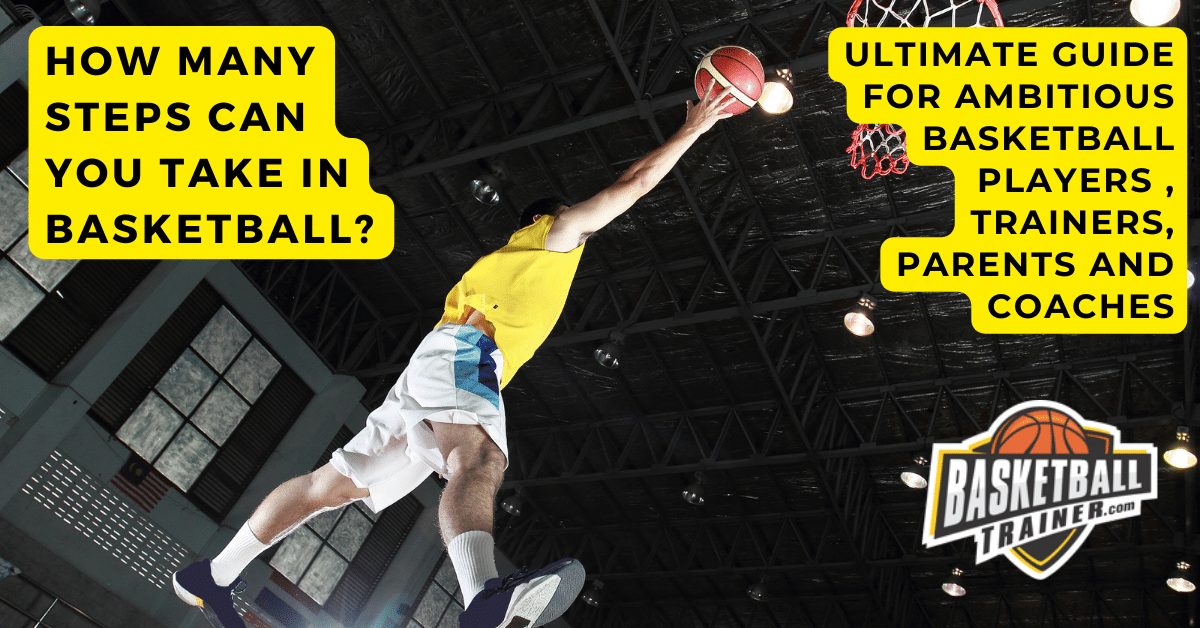
How Many Steps Can You Take In Basketball? Decoding The Truth

August 8, 2023 By basketballtrainer

How Many Steps Can You Take in Basketball

How Many Steps Can You Take in Basketball is a question that often leaves players and enthusiasts scratching their heads.

You see, when it comes to mastering the game, understanding this rule can be…tricky.

The ambiguity around ‘traveling’, as they call it, separates the novice from the seasoned player. If you don’t have a full comprehension of the traveling rule in basketball, your skills could stay at an amateur level.

This seemingly simple rule has caused more than one on-court dispute…

Table of Contents:

  • I. Introduction
    • A. Brief Overview of The Topic
    • B. Importance Of Understanding Rules For Players And Enthusiasts
  • II. Background of Basketball Rules of Travelling
    • A Quick History Of Steps And Its Rules In Basketball
    • Maintaining The Game’s Integrity Through Traveling Rules
    • Social Media Discussions On NBA Calls For Traveling Violations
  • III. Basics of Movement in Basketball
    • A. Explanation of Dribbling
    • B. Concept of Traveling And Its Role In The Game
  • IV. How Many Steps Can You Take in Basketball?
    • A. Detailed Explanation Of The Number Of Steps Allowed During Various Movements
    • B. Discussing Exceptions And Circumstances Affecting The Rule
  • V. Common Misconceptions About Steps in Basketball
    • A. Misunderstanding of the “two-step” rule
    • B. The Eurostep’s Impact on Understanding Step Rules
    • C.The Zero Step Rule Explanation
  • VI. Consequences of Exceeding the Step Limit
    • A. Explanation of Penalties for Traveling
    • B. Real Game Examples of Traveling Violations
    • C. How Referees Determine Traveling
  • VII. Tips for Players: Avoiding Traveling Violations
    • A. Importance of Mastering Dribbling
    • B. Practicing Step Movements: Layups, Jump-stops, Pivoting
    • C. Advice from Professional Players and Coaches
  • VIII. Rules vs Reality
    • A Travel Is What A Ref Thinks It Is
    • Changing Interpretation Of The Rules
    • Trends And Individual Referees’ Impact On Calls
  • IX. Trainers, Coaches, and Travels
    • A. Confusing Messages for Kids
    • B. Pioneering vs Conservative Footwork
  • X. Rulebooks and Resources (Website Links)
    • American High School
    • NCAA
    • FIBA
  • FAQs in Relation to How Many Steps Can You Take in Basketball
    • How many steps are you allowed to take in a basketball dribble?
    • Can you take 3 steps in a layup?
    • Can you take 5 steps in basketball?
    • Is gather step legal?
  • Conclusion

I. Introduction

Understanding the rules of basketball, particularly those concerning steps players can take during a game, is vital for anyone aspiring to play basketball.

This knowledge isn’t just important for athletes on the court; it’s also crucial for coaches and trainers guiding these ambitious players.

Taking fewer steps makes you not only an efficient player but also ensures that you’re playing within the confines of official NBA rule book guidelines.

A. Brief Overview of The Topic

Basketball is a dynamic sport where every move counts in scoring points or defending your basket from opponents’ shots.

The number of allowed steps while moving forward with ball close at hand plays a significant role in shaping up each athlete’s strategy during gameplay.

B. Importance Of Understanding Rules For Players And Enthusiasts

In order to excel as both a player and fan, one must understand key aspects such as pivot foot usage when taking step forward or sideways after dribble lifting their feet simultaneously off ground – otherwise known as airball jumping according NBA calls traveling violations definition.

C. Importance In Knowledge As A Trainer And Coach

To effectively train others how practice makes perfect, especially practicing dribbling techniques like jab step back moves requires comprehensive understanding about what constitutes violation under current regulations set forth by governing bodies responsible overseeing professional leagues worldwide including FIBA along American High School NCAA organizations.

Moving onto next section we’ll delve deeper into history behind evolution these specific rules thus providing us clearer perspective why they exist today’s modern era competitive sportsmanship which ultimately helps maintain integrity fairness throughout entire duration any given match irrespective level competition involved whether local community event global championship tournament. Stay tuned learn more fascinating insights await ahead.

Key Takeaway:

Key Takeaway: Understanding the rules of basketball, including the number of allowed steps, is crucial for players and enthusiasts alike. It not only improves your gameplay strategy but also ensures you’re playing within official guidelines. Coaches and trainers must have a comprehensive understanding to effectively train others.

II. Background of Basketball Rules of Travelling

The game of basketball, loved by many today, has a rich history filled with evolution and refinement.

NBA’s rule book, for instance, didn’t always have the same guidelines regarding steps players could take without being penalized for traveling violations.

A Quick History Of Steps And Its Rules In Basketball

Basketball rules concerning steps allowed during play were not part of the original set established in 1891 by Dr. James Naismith.

It wasn’t until later that restrictions on taking fewer steps came into effect to maintain fairness and control over player moves within the game.

Maintaining The Game’s Integrity Through Traveling Rules

The enforcement of strict step limits is crucial in preserving the integrity and competitive spirit inherent in playing basketball.

This includes keeping an eye out for when a player lifts their pivot foot or takes more than two steps forward after gathering their dribble lifting it off the floor – all considered as potential traveling violations according to NBA rules.

Social Media Discussions On NBA Calls For Traveling Violations

In recent years there has been increased attention on how leagues like the NBA calls traveling violations.

Fans avidly watching game footage often discuss these rulings online – sometimes questioning if certain star athletes are given leniency due to longer reach or exceptional skill levels.

Unravel the evolution of basketball rules. From no restrictions to strict step limits, learn how traveling violations are enforced in the NBA. #BasketballRules #NBAcalls Click to Tweet

III. Basics of Movement in Basketball

The art of movement in basketball is a dance between skill, strategy, and adherence to the rules.

Dribbling serves as the foundation for most movements on the court.

This fundamental aspect involves bouncing the ball off the floor while moving around the court.

A. Explanation of Dribbling

In essence, dribbling allows players to advance towards their goal post or move away from defenders without committing violations.

To successfully play basketball and score points, mastering this technique becomes crucial.

especially when it comes to maintaining control over your speed and direction while keeping an eye out for opponents.

B. Concept of Traveling And Its Role In The Game

Moving forward with our understanding takes us next into traveling – another key concept that shapes how NBA calls traveling violations during a game. The basic rule states: once you stop dribble lifting your pivot foot before releasing ball results in travel violation.

This means if player lifts his/her pivot feet simultaneously after stopping his/her dribble, then he/she must pass or shoot before placing it back down.

C. Overview Of Steps In Relation To Dribbling And Traveling.

Taking fewer steps can be tricky at first but learning these nuances helps avoid penalties.

Proper Practice Of Drilling Techniques, Like Jab Step Or Pivot Foot Movements Can Make A Huge Difference On Court Performance.

In Our Next Section We Will Delve Deeper Into How Many Steps Players Are Allowed During Various Movements On Court.

Master the art of movement in basketball – from dribbling to traveling violations. Learn how many steps you can take on the court for a winning performance. #BasketballSkills #GameRules Click to Tweet

IV. How Many Steps Can You Take in Basketball?

The rules of b-ball can be tricky to comprehend, especially with respect to the amount of strides players are allowed.

In general, after a player takes their gather step – that moment when an athlete finishes dribbling and begins moving forward or sideways towards the basket – they’re typically allowed two more steps before needing to either pass or shoot.

A. Detailed Explanation Of The Number Of Steps Allowed During Various Movements

  1. After a Dribble:

If you’ve ever watched game footage closely, you’ll notice NBA players often take what appears like several quick steps between each bounce during a fast break; this is perfectly legal as long as they maintain control over the ball close enough for continuous dribbles.

  1. During A Layup:

Layups usually involve taking fewer steps than one might think: once your pivot foot lifts off from the ground (the last foot touching), only one additional step is permitted before releasing the shot into the airball jumping motion.

  1. When Receiving A Pass:

Moving while receiving passes also has its own set of restrictions according to the NBA rule book: if both feet simultaneously land on the court after catching the ball mid-air without first establishing a pivot foot, then any subsequent movement will be considered a traveling violation unless another dribble lifting action occurs immediately afterwards.

B. Discussing Exceptions And Circumstances Affecting The Rule

NBA calls traveling violations differently compared with FIBA games where certain actions such as jab-step moves may result in penalties depending upon interpretation by referees watching carefully every play basketball pros make throughout the course of the entire match.

Unlock the secrets of basketball rules with our guide on ‘How Many Steps Can You Take in Basketball’. NBA calls and exceptions revealed. #BasketballRules #NBA Click to Tweet

V. Common Misconceptions About Steps in Basketball

When it comes to the number of strides players can take during a basketball game, there are often misconceptions that confound both beginners and experienced spectators.

A. Misunderstanding of the “two-step” rule

The most common misconception is related to the “two-step” rule.

This confusion arises from a misunderstanding about when exactly counting should begin after an athlete finishes dribbling or gathers for a shot.

B. The Eurostep’s Impact on Understanding Step Rules

Another source of confusion is the famous ‘Eurostep’ move popularized by NBA players like Manu Ginobili and James Harden.

This technique involves taking fewer steps but moving sideways rather than forward, which often leads spectators to mistakenly believe traveling rules have been violated due to its longer reach compared with traditional moves.NBA Rule Book

C.The Zero Step Rule Explanation

In recent years, another concept has emerged known as the “zero step” which isn’t counted towards allowed steps under certain circumstances such as during a jump stop or pivot foot movement.

Further complicating understanding among those watching game footage without detailed knowledge.

Misinterpretations around these concepts not only affect how we view games but also influence how aspiring athletes practice dribbling and stepping techniques.

Stay tuned for our next section where we delve into what happens if you exceed your step limit in basketball.

Unraveling the Steps in Basketball ‍️

Confused about how many steps you can take? Don’t worry, you’re not alone. From the “two-step” rule to the Eurostep, there are misconceptions galore. Stay tuned for more insights and level up your game. #BasketballRules #StepUpYourGame Click to Tweet

VI. Consequences of Exceeding the Step Limit

In basketball, understanding how many steps players can take is crucial.

Taking fewer steps than allowed might limit your play, but exceeding this number has its own consequences.

A. Explanation of Penalties for Traveling

The most immediate consequence when a player takes more than the allowed steps without dribbling in an NBA game is a traveling violation.

This rule ensures fair play and maintains integrity within the sport. According to the NBA rule book, once an athlete finishes dribbling and establishes a pivot foot, moving forward or sideways with that foot results in a travel call by referees.

B. Real Game Examples of Traveling Violations

NBA calls traveling violations regularly during games as part of enforcing basketball rules. Watching game footage provides numerous examples where even seasoned NBA players are penalized for taking too many steps forward after they stop their dribble lifting their pivot feet simultaneously before releasing the ball close to score points via layups or jump shots.

C. How Referees Determine Traveling

To make accurate judgments on whether there’s been any infringement on step limits while playing basketball, referees often rely not only on visual cues but also years worth experience watching thousands games closely observing player moves like jab step back move airball jumping etc. which helps them quickly identify potential violations such as traveling. Pivot foot movements especially draw attention from refs since shifting it illegally could lead long reach towards the basket thus gaining an unfair advantage over defenders who abide strictly by these regulations set forth under association’s guidelines thereby maintaining competitive balance among teams participating at the highest level professional sports worldwide including the National Basketball Association (NBA).

Key Takeaway:

Key Takeaway: Taking more steps than allowed without dribbling in basketball results in a traveling violation, which is regularly enforced by NBA referees. Referees use visual cues and years of experience to identify potential violations, particularly focusing on pivot foot movements for maintaining competitive balance.

VII. Tips for Players: Avoiding Traveling Violations

Mastering the art of dribbling is crucial in basketball.

This not only enhances your overall game performance but also helps you avoid traveling violations, a common pitfall many players fall into.

A. Importance of Mastering Dribbling

Dribble lifting and keeping the ball close are key to successful playmaking in any basketball game.

Taking fewer steps while maintaining control over the ball can be challenging, especially when moving forward or sideways on court under pressure from opponents with longer reach.

B. Practicing Step Movements: Layups, Jump-stops, Pivoting

Pivot foot movements such as layups and jump stops need regular practice to perfect them without risking an NBA calls traveling violation penalty. Practice makes perfect, after all.

C. Advice from Professional Players and Coaches

Professional players and coaches often emphasize that watching game footage plays a vital role in understanding how each player moves during games.

This insight aids athletes’ strategy development once they step onto the court.

In our next section (Heading 8), we delve deeper into this fascinating aspect – how rules sometimes bend according to reality. Stay tuned.

Mastering dribbling is crucial in basketball. Avoid traveling violations and enhance your game performance with these tips. #BasketballSkills #GamePerformance Click to Tweet

VIII. Rules vs Reality

Aspiring athletes and seasoned players alike must grapple with the reality of basketball rules, especially when it comes to steps allowed in a game.

The truth is, what constitutes as traveling can vary depending on the referee’s interpretation.

A Travel Is What A Ref Thinks It Is

In essence, NBA rule book‘s definition of travel may not always align with how referees call violations during an actual game.

This disparity often leads to confusion among both players and spectators but remains a fundamental part of playing basketball professionally or casually.

Changing Interpretation Of The Rules

Moves like Pro Hop and Step through are perfect examples that highlight this change in interpretation over time within NBA rules.
Step through moves, for instance, were once considered clear violations but have since been accepted into mainstream play due to changing interpretations by officials.

Trends And Individual Referees’ Impact On Calls

Different trends also influence calls made during games; popular maneuvers such as step back or pivot foot movements might be viewed differently from one season to another based on prevailing styles amongst NBA players. Similarly, individual referees’ perception plays a key role too.

All these factors contribute towards creating an ever-evolving landscape where taking fewer steps makes you more efficient yet understanding exactly how many steps forward you’re allowed becomes increasingly crucial for anyone who wants to master the art of avoiding traveling violations while moving forward in their career.

Unravel the mystery of basketball rules and steps with our guide. From changing interpretations to individual referees’ impact, learn how to navigate the ever-evolving landscape of avoiding traveling violations. ‍️ #BasketballRules #StepUpYourGame Click to Tweet

IX. Trainers, Coaches, and Travels

The complexities of basketball are far-reaching and intricate.

From the intricacies of NBA rules to the subtleties of player movements on court – everything matters.

This complexity often leads to confusing messages for young players.

A. Confusing Messages for Kids

Kids are taught basic basketball rules from an early age.

But as they progress in their journey, nuances like “gather step” or “pivot foot” can confuse them.

B. Pioneering vs Conservative Footwork

Innovative moves like James Harden’s ‘step back’ have changed how we view steps allowed in a game. (source) Pioneering such techniques pushes boundaries but also creates ambiguity around traditional traveling rules.

C. Experimentation with Growth Mindset

To keep up with evolving playing styles and rule interpretations, trainers need to foster a growth mindset among athletes.

Taking fewer steps makes you more efficient; practicing dribbling helps avoid violations; watching game footage improves understanding – these should be ingrained into every aspiring player’s mindset.

As we delve deeper into this topic next time, we will look at some useful resources that help clarify these confusing aspects even further.

Unravel the complexities of basketball rules and player movements with our guide on how many steps you can take in the game. Stay tuned for more insights and helpful resources. #BasketballRules #StepUpYourGame Click to Tweet

X. Rulebooks and Resources (Website Links)

Comprehending the regulations of basketball is essential for participants, instructors, trainers, and aficionados alike.

To ensure everyone’s on the same page when it comes to steps allowed in a game or practice session, various rule books can be consulted.

American High School

The National Federation of State High School Associations’ Basketball Rules Book serves as an authoritative guide for high school games across America.

This resource helps clarify how many steps players are permitted after they stop dribbling or receive a pass during gameplay.

NCAA

In college-level games governed by NCAA rules, understanding traveling violations becomes even more critical due to increased competitiveness and stricter enforcement of regulations.

The NCAA website provides detailed insights into these nuances.

FIBA

In international play under FIBA guidelines, there may be differences compared to NBA calls regarding traveling violations.

The FIBA website, available online, offers comprehensive information about player moves including pivot foot usage, steps forward taken after gathering step, etc.

Unleash your basketball skills. Master the art of footwork with our guide on how many steps you can take in the game. ‍️‍️ Dive into NBA, high school, college, and international rules to up your game. #BasketballRules #FootworkSkills #GameChanger Click to Tweet

FAQs in Relation to How Many Steps Can You Take in Basketball

How many steps are you allowed to take in a basketball dribble?

In basketball, there’s no limit on the number of steps between each dribble. However, once the player picks up their dribble, they can only take two steps before shooting or passing.

Can you take 3 steps in a layup?

No, according to official rules both NBA and FIBA allow for only two steps after gathering the ball during a layup.

Can you take 5 steps in basketball?

No, taking more than two steps without dribbling is considered traveling which is against the rules of basketball.

Is gather step legal?

The “gather step” is indeed legal. It refers to the motion where a player completes their dribble and begins moving towards shooting or passing. This doesn’t count as one of your two permitted post-dribble strides.

Conclusion

Mastering the rules of basketball is a game-changer, literally.

Understanding “How Many Steps Can You Take in Basketball” can take your skills to new heights.

The intricacies of dribbling and traveling are no longer shrouded in mystery.

You’ve learned about NBA vs FIBA step allowances, and even high school and NCAA regulations.

Misconceptions like the two-step rule or Eurostep have been clarified.

We also delved into penalties for exceeding step limits – knowledge that will save you from many fouls on court.

Put your newfound knowledge to the test by connecting with expert trainers at BasketballTrainer.com.

If you’re ready to elevate your game further, consider connecting with expert trainers at [insert website]. We provide ambitious players access to professional training products, apps, teams, camps as well as valuable insights from seasoned coaches. Step up your game today!


Filed Under: Basketball Player Development, Basketball Trainer Blog, blog, Training

Basketball Shooting Aids and Accessories [2023 Guide]

August 7, 2023 By basketballtrainer

Basketball Shooting Aids and Accessories

Basketball shooting aids and accessories are transforming the way players train.

Indeed, when it comes to improving their game, many athletes find these tools indispensable.

The use of basketball shooting aids and accessories separates the casual player from the serious contender. Without them, reaching that next level of performance can seem unattainable.

Consider a young aspiring player who has been practicing tirelessly but still struggles with his shot accuracy. With no idea how to overcome this hurdle, he feels stuck in his progress.

Table Of Contents:

  • The Rising Importance of Shooting Aids
    • Filling the Gaps in Traditional Training
    • Catering to The Modern Player’s Needs
  • Boost Your Skills: Basketball Shooting Aids and Accessories
    • Smart Basketballs
    • Shot Trainers: A Game Changer in Basketball Training
    • The Science Behind Shot Trainers
    • Evaluating Effectiveness Through User Testimonials
    • Top Models To Look Out For
  • Shot Arc Trainers
    • Understanding the Perfect Arc
    • Elevating Your Shooting Game With Shot Arc Trainers
    • Trending Must-Have Shot Arc Trainers In 2023
  • Specialty Basketballs for Shooting Training
    • The ABA Basketball
    • The Oversize Basketball
    • The Hand Traced Basketball
          • For the player struggling with hand position on the basketball these basketballs with hand tracing can help players focus on getting the centrifugal position with the shooting hand and preventing the guide hand from blocking your own shot.
    • The Heavy Ball
    • Defensive Simulators
  • How to Integrate Shooting Aids into Regular Practice
    • Setting up for Individual Drills with Precision
    • Merging Aids into Team Drills Seamlessly
  • Criteria for Purchasing Shooting Aids
    • 1. Understand Player’s Specific Needs and Skill Level
    • 2. Evaluate Product Durability and Brand Reputation
    • 3. Reading User Reviews and Professional Endorsements
  • Safety and Maintenance of Shooting Aids
    • Cleaning Your Basketball Training Equipment
    • Tips on Ensuring Longevity
  • FAQs in Relation to Basketball Shooting Aids and Accessories
    • What are the most effective basketball shooting aids and accessories?
    • How can I use basketball shooting aids and accessories to improve my game?
    • Are there any specific drills that can be done with basketball shooting aids and accessories?
    • What type of materials should I look for when purchasing basketball shooting aids and accessories?
    • Are there any safety considerations to keep in mind when using basketball shooting aids and accessories?
  • Conclusion

The Rising Importance of Shooting Aids

Shooting aids are now a crucial part of basketball training, effectively bridging the gap in traditional methods and addressing the unique needs of modern players.  Nobody has ever won a basketball game without scoring, so putting the ball in the basket remains the paramount skill to work on.

Filling the Gaps in Traditional Training

Typical basketball coaching often emphasizes enhancing physical strength, agility, speed, and basic skills such as passing or dribbling. Despite physical conditioning being a cornerstone of basketball coaching, shooting proficiency is no less essential to success on the court.

Basketball shooting aids help bridge this divide by offering targeted practice for different facets related to shooting. These devices enable athletes to focus on their shot arc consistency, release point accuracy, and other elements like follow-through motion, which contribute towards achieving good form resulting in a higher shooting percentage during games.

Catering to The Modern Player’s Needs

In today’s competitive game where every second matters, efficiency plays a key role. Basketball training equipment provides immediate feedback, enabling players to identify mistakes instantly and correct them while practicing itself rather than waiting post-practice for video analysis sessions.

This instant correction not only saves time but also prevents the formation of bad habits over time, leading towards becoming a great shooter consistently using aids that increase self awareness in basketball shooting.

When selecting any aid, whether it’s aimed at increasing vertical jump or a dribble stick designed specifically for better hand-eye coordination, ensure it aligns perfectly with your specific requirements and goals set forth initially.

  • To improve free throws, consider investing in a simple basketball rebounder attachment to increase reps in time.  It is available easily online.
  • If budget is no issue, then the Dr. Dish CT machine can hit many areas of focus while increasing reps by 5 fold per hour.
  • Apart from these, always remember customizing according to an individualized approach would yield the best results, thus making use of accessories adaptable per player’s height, arm length, etc., becomes essential. Consider low cost solutions as well… not everything needs to be a gimmick.

Key Takeaway: 


Shooting aids are revolutionizing basketball training by addressing the unique needs of modern players. These tools provide targeted practice, instant feedback, and customization options to improve shooting proficiency. Whether you’re honing your free throws or enhancing ball handling skills, there’s an aid designed for your specific goals.

Boost Your Skills: Basketball Shooting Aids and Accessories

Elevate your game with our guide on basketball shooting aids and accessories. Explore top equipment, tips for customization, and effective training methods.

Smart Basketballs

We have used several models thru the years including the Krossover, the brand 94 Fifty that is now defunct, Wilson X, and for Dribbling, the Dribble Up Basketball.  At this point we recommend the SiQ Smart Basketball & App.   The smart ball and app track:

1. Shooting Percentage

2. Shooting Consistency

3. Shots Made

4. Swish Percentage

5. Release Time (Very Important feature in my opinion)

6. Leaderboard to Compete


Shot Trainers: A Game Changer in Basketball Training

The game of basketball is continuously evolving, and so are the training methods. One such innovation that has revolutionized player development is the shot trainer.

The Science Behind Shot Trainers

A shot trainer works by positioning your shooting hand correctly to enhance ball control and ultimately increase your shooting percentage. The repetitive use of this tool helps develop muscle memory, enabling players to maintain an optimal position even without it during a real game under pressure.   We like Andy Enfield’s Shooting Strap.

Evaluating Effectiveness Through User Testimonials

User testimonials often provide firsthand evidence about how effective these tools can be for both amateur and professional athletes alike. Many users have reported significant improvements after incorporating shot trainers into their regular drills – from increasing free throw accuracy to becoming a great shooter overall.

Top Models To Look Out For

In terms of specific models worth considering based on user reviews:

  1. Coach Andy Enfield’s Shooting Strap  – Known for its ability to return passes at different angles, enhancing agility ladder exercises.
  2. Off Hand Guide Shooting Aid – helps you develope true one had shooting form for straight shooting.
Level up your basketball game with top shooting aids and accessories. Discover how shot trainers can enhance ball control, boost free throw accuracy, and more. #BasketballTraining #GameChanger Click to Tweet

Shot Arc Trainers

In the realm of basketball training aids, shot arc trainers play a pivotal role. They guide ambitious basketball players in mastering their shooting trajectory for optimal scoring potential.

Understanding the Perfect Arc

The concept behind an ideal shooting arc is rooted deeply within physics principles. The higher your shot’s arc, the greater chance it has to enter the basketball hoop due to its effective enlargement of the target area.  This number is a 45 degree entry point.

Finding this sweet spot between height and power requires careful consideration of factors such as player height, arm length, ball speed, and spin rate. Engaging with expert coaches or using technology like video analysis tools can significantly aid in accurately identifying these parameters.

Elevating Your Shooting Game With Shot Arc Trainers

Arc trainers are ingenious devices that provide immediate feedback on each throw’s trajectory by visually indicating if it was too flat or steeply arched. This instant correctional input enables quick technique adjustments, leading to better shots during subsequent attempts.

Muscle memory plays a crucial part when under game pressure, where there might not be time for conscious adjustment. Consistent use of an arc trainer cultivates just that.

Trending Must-Have Shot Arc Trainers In 2023

  1. Sklz Shot Spotz Basketball Training Markers: This product features brightly colored markers strategically placed around courts, enabling players to know exactly from where they should release their shots.
  2. iC3 Basketball Shot Trainer: An innovative device attaching directly onto any standard-sized attachable rim provides rebounding and roll back of makes and misses.
  3. Dr. Dish DT Shooting Machine.   While the IC3 and CT machine both qualify as shooting and rebounding machines… the netting they have around the unit act effectively as arc trainers as well.
  4. Noah Basketball Shooting System: This advanced system offers detailed analytics via mobile app integration, making progress tracking effortless for athletes and their coaching staff alike.  Coming in just under $3000 for the halfcourt unit, you need to make sure your players will use this unit for it to have an ROI.
Elevate your shooting game with shot arc trainers. Get instant feedback, cultivate muscle memory, and check out trending products like Sklz Shot Spotz, iC3 Basketball Shot Trainer, and Noah Shooting System in 2023. #BasketballTraining Click to Tweet

Specialty Basketballs for Shooting Training

To increase focus and awareness in shooting form, the following balls can deliver results:

The ABA Basketball

This red white and blue ball can really provide visual feedback for players struggling with proper rotation while shooting.

The Oversize Basketball

This basketball can be more difficult to squeeze thru the rim. And it can be more difficult to cradle in the shooting pocket of the hand.  These challenges can increase touch, and fine focus in shooting.

The Hand Traced Basketball

For the player struggling with hand position on the basketball these basketballs with hand tracing can help players focus on getting the centrifugal position with the shooting hand and preventing the guide hand from blocking your own shot.


The Heavy Ball

This ball can help players learn to use glutes and hamstrings in generating force to the rim, but I really want players to be very careful in rebounding this basketball as a miscue can lead to a broken finger.


Defensive Simulators

These simulators can help to practice shooting with a closeout, handup, or using to curl cut on etc.


How to Integrate Shooting Aids into Regular Practice

The integration of shooting aids in regular basketball training is a game-changer. Using the equipment correctly is essential for achieving desired results.

Setting up for Individual Drills with Precision

Your solo assist sessions are crucial. Setting up your drills using items such as an attachable rim or tracing a hand on the ball could significantly enhance your precision during practice.

To ensure effectiveness:

  1. Determine which aid suits best for each drill – this may vary depending on whether you’re working on free throws, improving ball handling skills, or boosting your vertical jump.
  2. Ensure correct setup – For instance, if using D-Man (a defensive mannequin), position it correctly based on where defense usually stands against you during games.
  3. In case of digital apps offering real-time feedback through iPhone self-awareness features: calibrate settings accurately before starting individual drills.

Merging Aids into Team Drills Seamlessly

Ambitious basketball players understand that team synergy matters as much as a personal skill set. Integrating shooting aids within group exercises enhances overall performance by encouraging teamwork and collective improvement.

Here are some ways to do so:

  • Use an ABA basketball for visual feedback on seamed passes and proper rotation on shots during a full court shooting drill.
  • You might also consider utilizing return systems during free throw practices enabling more shots per minute thus increasing efficiency.
Boost your basketball game with the right shooting aids. Learn how to integrate them into solo and team drills for precision, efficiency, and improved skills. #BasketballTraining #GameChanger Click to Tweet

Criteria for Purchasing Shooting Aids

Purchasing the right basketball shooting aids can significantly improve a player’s performance. Before buying any basketball shooting aid, it is important to take into account a few aspects.

1. Understand Player’s Specific Needs and Skill Level

The first step towards purchasing an effective basketball shooting aid involves understanding the needs of the individual player. Are they working on their free throws or focusing more on improving ball control? The answer will determine which type of training tool suits them best.

Players don’t need to work with a focus on release time until they have their mechanics down.

2. Evaluate Product Durability and Brand Reputation

Durability should never be overlooked when selecting basketball training equipment—after all, you want your investment to last. High-quality materials ensure longevity while providing better value over time.

  1. You’ll find reputable brands known for producing durable products like Wilson Evolution Basketball or Solo Assist are often worth considering.
  2. In addition, always look into warranties offered by manufacturers – these typically reflect confidence in product quality.

3. Reading User Reviews and Professional Endorsements

User reviews provide invaluable insights into how well specific shooting aids perform at enhancing key skills: everything from vertical jump height through hand-eye coordination down to even seemingly minor details about ease-of-use during practice sessions.

Besides user testimonials, professional endorsements also play a significant role – many trainers endorse using items ranging from tennis balls to agility ladders since they force players to concentrate on multiple aspects simultaneously, thereby boosting overall performance levels dramatically.

Looking to level up your basketball game? Consider the right shooting aids based on your skill level, product durability and brand reputation. Don’t forget to check user reviews and professional endorsements. #BasketballTraining #GameChanger Click to Tweet

Safety and Maintenance of Shooting Aids

Preserving the functionality and extending the lifespan of your basketball shooting aids involves two primary steps: cleaning them properly after each use, and storing them correctly when not in use. Moreover, to ensure safe practice sessions, it’s crucial to follow usage instructions meticulously.

Cleaning Your Basketball Training Equipment

Maintaining cleanliness is vital for all types of training equipment, including shot trainers or return systems. Using a damp cloth with mild soap should suffice for most tools. Areas that frequently come into contact with hands or balls require special attention during this process.

Proper storage can also protect these valuable assets from damage caused by environmental factors such as moisture or extreme temperatures. Therefore, avoid leaving any gear outdoors where they might be exposed to rain or sunlight over extended periods.

Tips on Ensuring Longevity

Basketball players who want their shooting aids, like laser devices and dribble sticks, to last longer must conduct regular inspections, looking out for signs of wear and tear across all components – nets, bands, etc., and replacing worn-out parts promptly if necessary.

To conclude this section, we emphasize good maintenance practices coupled with strict adherence to safety protocols as key factors in getting maximum benefit without compromising user safety.

Elevate your basketball game while ensuring safety. Proper cleaning and storage of shooting aids can extend their lifespan. Don’t forget regular inspections for wear and tear too. #BasketballTraining #SportsSafety Click to Tweet

FAQs in Relation to Basketball Shooting Aids and Accessories

What are the most effective basketball shooting aids and accessories?

Shot trainers, return systems, laser shooting aids, shot arc trainers, and customized equipment based on player needs are among the most effective basketball shooting aids.

How can I use basketball shooting aids and accessories to improve my game?

You can integrate these tools into your regular practice sessions. They help improve precision, understand the perfect arc for shots, address common flaws, and enhance overall performance.

Are there any specific drills that can be done with basketball shooting aids and accessories?

Absolutely. Shooting drills using return systems or shot trainers are popular. Laser training helps with precision-based exercises, while arc trainers assist in mastering high-arc shots.

What type of materials should I look for when purchasing basketball shooting aids and accessories?

Durability is key, so opt for robust materials like hard plastic or metal. Also, consider brand reputation as well as user reviews before making a purchase decision.

Are there any safety considerations to keep in mind when using basketball shooting aids and accessories?

Safety is crucial during training sessions. Ensure proper usage of all equipment according to manufacturer instructions, maintain them regularly, and store them properly after each session to prevent damage or accidents.

Conclusion

Are you prepared to reach the next level? Ready to transform from a casual player into a serious contender?

Take advantage of our extensive knowledge base at BasketballTrainer.com. We connect ambitious players like you with expert trainers, top-notch teams, high-quality camps, innovative training products/apps, and more!

Join us today at BasketballTrainer.com where we turn passion into performance.

Filed Under: Basketball Parenting, Basketball Player Development, Basketball Product Reviews, Basketball Trainer Blog, blog, Training

Benefits of One-on-One Basketball Training To Boost Your Game

August 6, 2023 By basketballtrainer

Benefits of One-on-One-Basketball Training

The benefits of one-on-one basketball training are not to be underestimated.

This unique approach can truly transform a player’s game.

Yet, many athletes still question its effectiveness. They’re unsure if the personalized attention and focus will translate into real results on the court.

If you share these doubts, it’s time for some enlightenment about the benefits of one-on-one basketball training.

Rather than feeling lost in generic drills during team practices, one-on-one basketball training provides an opportunity to have a personal trainer who designs each session around your individual needs and goals.

No more generic drills or feeling lost in team practices. This is all about YOU and YOUR development as a player.

Table Of Contents:

  • Personalized Focus and Attention in One-on-One Basketball Training
    • Catering to Individual Learning Styles
    • Immediate Feedback: A Game Changer
    • Evolving Strategies Through Continuous Assessment
  • Boost Your Game: Benefits of One-on-One Basketball Training
    • Rapid Skill Development
    • Intensive Drills Targeting Individual Weaknesses
    • The Advantage of Repetitive Practice with Instant Corrections
    • Tailored Practice Routines Versus General Team Practices
  • Mental and Psychological Benefits
    • Building Confidence through Personalized Achievements
    • Mental Toughness: Overcoming Individual Challenges
    • Improved Focus and Concentration
  • Mastery of Fundamentals
    • Diving Deep into Basics: Shooting, Passing, and Dribbling
    • Position-Specific Skills Enhancement
    • Tuning Footwork And Body Mechanics
  • Boost Your Game: Benefits of One-on-One Basketball Training
    • Enhanced Game Understanding
    • Individualized Film Study: A Crucial Tool for Improvement
    • The Art Of Reading Opponents And Situations
    • Nurturing Basketball IQ: The Key To Success On Court
  • Physical Fitness and Conditioning: The Underrated Game Changer
    • Focused Workouts for Targeted Muscle Development
    • A Proactive Approach Towards Injury Prevention
    • Conditioning Drills Aimed At Peak Performance
  • Mastering the Art of Competitive Scenarios
    • The Power of Simulating Real-Game Situations
    • Tackling Pressure: Mastering Free Throws and Clutch Shots
    • Navigating The Dynamics Of One-On-One Play
  • Boost Your Game: Benefits of One-on-One Basketball Training
    • Fostered Player-Coach Relationship
    • Building Trust Through Individualized Attention
    • Influence of Close Mentoring on Player Growth
    • Motivation: The Role Personal Coach Plays In Inspiring Players
  • Boost Your Game: Benefits of One-on-One Basketball Training
    • Flexibility and Adaptability: The Game Changers in One-on-One Basketball Training
    • Training at One’s Own Pace and Schedule: A Key Advantage
    • Dynamically Adapting Training Methods Based On Ongoing Progress
    • Freedom To Experiment And Try New Techniques: An Underrated Aspect Of Skill Development
  • FAQs about One-on-One Basketball Training
    • How often should I have one-on-one sessions?
    • Can one-on-one training replace team practices?
    • How to find the right coach for personalized training?
    • What age is ideal to start one-on-one basketball training?
    • Is one-on-one training only for advanced players or can beginners benefit too?
    • How does one-on-one training impact my game’s strategic aspect?
    • Is one-on-one basketball training cost-effective?
    • Can I focus on specific skills during my one-on-one sessions?
    • How do I measure progress in one-on-one training sessions?
    • Does one-on-one training guarantee better on-court performance?
  • Conclusion

Personalized Focus and Attention in One-on-One Basketball Training

The unique advantage of one-on-one basketball training lies in the personalized focus that each player receives. This approach significantly affects the athlete’s level, enhancing their skills beyond what could be achieved through team practices.

Catering to Individual Learning Styles

In private lessons, trainers have the flexibility to adapt teaching methods according to a player’s learning style. Whether you’re an auditory learner who thrives on verbal instructions or a kinesthetic learner best suited for hands-on practice, your trainer will adjust accordingly.

This tailored approach allows young players to effectively acquire online training programs and makes skill development more efficient than ever before.

Immediate Feedback: A Game Changer

A crucial component of one-on-one basketball training is immediate feedback from expert trainers. Instant correction helps refine a player’s technique instantly rather than allowing mistakes to become ingrained muscle memory over time.

This instant critique plays an integral role not only in helping players learn quickly but also in fostering increased confidence on the court – whether it pertains to shooting form adjustments or defensive stance corrections during game situations.

Evolving Strategies Through Continuous Assessment

In private basketball lessons, continuous assessment enables coaches to closely monitor progress. They observe senior high school athletes mastering conditioning drills, which leads them to adjust strategies as needed for optimal results.

The ability for trainers to swiftly alter approaches based on observed performance accelerates improvement while keeping trainees engaged throughout the journey – making one-on-one basketball training superior to AAU every time.

Unlock your basketball potential with one-on-one training. Get personalized coaching, immediate feedback, and tailored strategies that adapt to your learning style. Boost skills and confidence on the court like never before. #BasketballTraining Click to Tweet

Boost Your Game: Benefits of One-on-One Basketball Training

Experience personalized coaching, rapid skill growth, and boosted confidence.

Rapid Skill Development

One-on-one basketball training offers a unique advantage in the form of rapid skill development. This accelerated learning is due to several key factors.

Intensive Drills Targeting Individual Weaknesses

The beauty of private lessons lies in their ability to cater specifically to a player’s weaknesses. Unlike team practices, where drills are designed for collective improvement, individual sessions enable targeted practice that directly addresses areas needing enhancement.

This approach significantly impacts an athlete’s level by ensuring no aspect of their game gets overlooked. The muscle memory developed during these focused exercises often leads to noticeable improvements within short periods. Research supports this observation, highlighting its effectiveness across various sports disciplines including basketball.

The Advantage of Repetitive Practice with Instant Corrections

In one-on-one basketball training, it trumps traditional methods as players learn through repetition and instant feedback from coaches. These immediate corrections help build proper technique into an athlete’s repertoire faster than conventional techniques would allow.

This method accelerates learning and enhances performance levels across different sports disciplines.

Tailored Practice Routines Versus General Team Practices

A prevalent benefit offered by one-on-one basketball training over general team practices comes down to tailored routines based on each player’s unique needs and skills level. While team practices provide valuable experience working within game situations, they may not offer enough opportunities for young players or senior high school athletes who need specialized attention on certain aspects like ball handling, passing, defense, and layups.

Customizing workout routines according to personal strengths and weaknesses results in increased confidence among athletes along with improved overall performance. Research has found.

Key Takeaway: 


One-on-one basketball training supercharges your game, offering rapid skill development through personalized drills. With instant feedback and tailored practice routines, you’ll target weaknesses head-on and build muscle memory faster than in team practices. The result? A major boost to your confidence and performance on the court.

Mental and Psychological Benefits

One-on-one basketball training surpasses AAU in many ways, particularly when it comes to the mental and psychological benefits. The mind is just as crucial on the court as physical prowess.

Building Confidence through Personalized Achievements

The one-on-one approach of private basketball lessons facilitates personal growth by catering specifically to individual skill development. As players learn new techniques or conquer challenging conditioning drills, they experience a sense of accomplishment that boosts their self-confidence.

This increased confidence can be seen during game situations where pressure is high. A study even found that athletes with higher levels of self-confidence tend to perform better under stress.

Mental Toughness: Overcoming Individual Challenges

In private training sessions, young players are often pushed beyond their comfort zones, which aids them in developing mental resilience – an essential quality for senior high school athletes facing adversity such as injuries or poor performances.

A skilled trainer sets challenging yet achievable goals for each player’s technique enhancement; striving towards these targets not only strengthens an athlete’s mental fortitude but also helps develop muscle memory vital for peak performance both on and off the court.

Improved Focus and Concentration

Focused attention becomes sharpened during one-on-one sessions, unlike team practices filled with distractions. This uninterrupted environment allows ambitious basketball players to concentrate solely on improving their ball handling, passing, defense, and layup skills without any interruptions.

Basketball demands quick decision-making abilities heavily reliant upon focus and concentration – from executing complex plays down to anticipating opponents’ moves in real-time scenarios. Hence, improved focus attained via personalized coaching significantly enhances overall game performance.

Boost your game with one-on-one basketball training. Experience personalized coaching, mental resilience building, and improved focus. This approach not only sharpens skills but also builds confidence – a key factor in performing under stress. #BasketballTraining #GameChanger Click to Tweet

Mastery of Fundamentals

By honing the fundamentals of basketball, such as shooting, passing and dribbling, one-on-one training is an ideal way to maximize performance. These foundational skills are pivotal in enhancing your overall game performance.

Diving Deep into Basics: Shooting, Passing, and Dribbling

The first step to becoming an accomplished player involves gaining proficiency in fundamental techniques such as shooting, passing, and dribbling. In private lessons with skilled trainers who understand how approach affects athlete level positively leading towards increased confidence both on-court and off-court. The repetitive drills designed specifically for these areas help players learn faster while developing muscle memory.

This type of targeted practice enables young players to improve at their own pace, which is one main benefit that makes prevalent one-on-one basketball training trumps AAU team practices where attention may be divided among all participants.

Position-Specific Skills Enhancement

In addition to general skill development during private basketball lessons, position-specific skills enhancement plays a vital role in honing a player’s technique. For instance, guards need excellent ball handling abilities, whereas centers must master rebounding shots. This specialized focus helps accelerate progress when compared with regular team sessions or camps. This kind of personalized instruction can lead senior high school athletes closer to achieving their ambitions on the court.

Tuning Footwork And Body Mechanics

Basketball isn’t just about hand-eye coordination; it also requires intricate footwork along with proper body mechanics. Training your feet properly enhances agility, which significantly improves skill level on the court. Meanwhile, refining body movements not only increases efficiency but also minimizes risk by ensuring correct form during play. Furthermore, this sort of focused conditioning aids peak performance, thereby contributing greatly towards success even under intense game situations. With consistent practice under expert guidance, you’ll find yourself making strides toward mastery before long.

Key Takeaway: 


One-on-one basketball training is your fast-track ticket to mastering the game’s fundamentals. It offers personalized drills, position-specific skill enhancement, and targeted footwork and body mechanics tuning. The result? A more confident player ready to shine on court.

Boost Your Game: Benefits of One-on-One Basketball Training

Experience personalized coaching, rapid skill growth, and boosted confidence.

Enhanced Game Understanding

Through one-on-one sessions, basketball training can be taken to a higher level of game understanding and analysis by studying personal gameplay footage. This includes analyzing personal gameplay footage, learning how to anticipate opponents’ moves and situations, and honing your overall basketball IQ.

Individualized Film Study: A Crucial Tool for Improvement

An integral part of any effective training regimen is film study. By reviewing their own performances in detail, players can identify areas that need improvement and work on them during subsequent practice sessions.

By studying their own performances, athletes can identify and learn from mistakes, allowing them to further develop their skills. Additionally, watching other successful players provides valuable insights into strategies or techniques that might be worth incorporating into their own gameplay.

The Art Of Reading Opponents And Situations

Beyond physical prowess and technical skills lies another crucial aspect – being able to predict what your opponent will do next based on body language or previous actions. One-on-one coaching offers young athletes this invaluable insight more rapidly than general team practices would allow.

Reading opponents, along with recognizing different scenarios affect strategy adjustment are key elements in enhancing player’s technique as well as boosting confidence levels on the court.

Nurturing Basketball IQ: The Key To Success On Court

  • A high basketball IQ involves understanding all positions on the floor rather than just focusing solely upon one’s position; private lessons offer opportunities for exploring various perspectives within actual games which help increase comprehension.
  • Fostering such a holistic view enhances decision-making abilities during live action by providing comprehensive insight about offensive defensive tactics alike.
  • Last but certainly not least, having increased knowledge enables you to adapt quicker to changing circumstances, thus giving an edge over competitors who may still be relying on traditional methods of instruction.

Key Takeaway: 


One-on-one basketball training is a game-changer. It provides personalized coaching, hones your skills rapidly, and skyrockets confidence levels. With an emphasis on understanding the game deeply, individualized film study for self-improvement, learning to read opponents’ moves swiftly, and nurturing a high basketball IQ – it’s like having your secret weapon in the court

Physical Fitness and Conditioning: The Underrated Game Changer

The arena of one-on-one basketball training isn’t just about mastering the art of dribbling or perfecting that jump shot. It’s also about building a robust physical foundation, which is integral to every player’s technique.

Focused Workouts for Targeted Muscle Development

Basketball demands an intricate blend of strength, agility, speed, and endurance. A comprehensive workout regimen curated by seasoned trainers can specifically target muscle groups heavily engaged during gameplay.

In private lessons, these workouts are tailored according to individual needs and progress levels, ensuring optimal results while minimizing injury risks – making it ideal for players at any skill level looking for increased confidence on the court.

A Proactive Approach Towards Injury Prevention

One-on-one basketball training trumps traditional methods with its proactive approach towards injury prevention. By spotting potential weak areas early through personalized attention in conditioning drills or game situations, players learn how to avoid common injuries such as sprains or strains that could hamper their performance.

This strategy significantly reduces sports-related injuries by emphasizing correct form during exercises – a fact backed up by extensive research studies across multiple athletic disciplines.

Conditioning Drills Aimed At Peak Performance

The right conditioning routines play a pivotal role in enhancing ball handling, passing, defense, and laying skills, along with stamina development necessary for extended periods of high-intensity gameplay. These specialized regimens help increase aerobic capacity and foster faster recovery times between plays, leading to sustained peak performances throughout matches.

Specially designed programs like these offer senior high school athletes aiming for college-level competition an edge over others who might only acquire online training programs without personal guidance.

Experience the game-changing power of one-on-one basketball training. Boost your physical fitness, target muscle development, prevent injuries and enhance performance with personalized coaching. #BasketballTraining #FitnessGoals Click to Tweet

Mastering the Art of Competitive Scenarios

In basketball, being able to handle competitive scenarios effectively is paramount. One-on-one basketball training trumps AAU in this aspect by providing a personalized environment that simulates real game situations.

The Power of Simulating Real-Game Situations

A prevalent one-on-one basketball training technique involves creating drills that mimic actual game situations. This allows players to experience and adapt to the intensity and pressure they will face during live matches without any significant consequences for mistakes made.

This approach profoundly affects the athlete’s level as it helps them understand how their skills translate into practical gameplay. Moreover, under these conditions, quick decision-making becomes second nature – an invaluable asset when faced with high-stakes games.

Tackling Pressure: Mastering Free Throws and Clutch Shots

Basketball often boils down to critical moments where every shot counts immensely. Private lessons provide ample opportunities for players to learn how crucial free throws are along with mastering clutch shots through repetitive practice until perfection is achieved.

Research suggests that practicing under simulated pressure conditions significantly improves performance in crunch time compared to regular practices.

Navigating The Dynamics Of One-On-One Play

In team-based sessions or group practices, individual matchups might not always receive due attention despite forming the backbone of many offensive strategies. In BasketballTrainer.com’s private training programs, coaches focus on teaching athletes how to exploit opponent weaknesses while defending against strengths effectively. These nuances give them an edge over opponents who have only practiced team-oriented drills.

This understanding also enables young players to acquire online training programs which help enhance their skill development further, thereby increasing confidence levels considerably among senior high school athletes, especially those seeking scholarships at the collegiate level.

In essence, preparing competitive scenarios via one-on-one coaching offers main benefits such as the player’s technique refinement, enhanced mental toughness, coupled with improved concentration, thus equipping aspiring ballers to succeed both on the court and off it.

Key Takeaway: 


One-on-one basketball training sharpens your game by mimicking real-game situations, honing critical shots under pressure, and mastering individual matchups. This personalized approach enhances technique, mental toughness, and concentration – a slam dunk for aspiring players aiming high.

Boost Your Game: Benefits of One-on-One Basketball Training

Experience personalized coaching, rapid skill growth, and boosted confidence.

Fostered Player-Coach Relationship

One-on-one basketball training trumps AAU by fostering a profound player-coach relationship. This connection is an underappreciated yet significant part of private basketball lessons that deeply impacts the overall growth and development of players.

Building Trust Through Individualized Attention

The prevalent one-on-one basketball training approach allows coaches to give undivided attention to each player, helping them understand their strengths and weaknesses more intimately. Such individual focus builds trust between the coach and athlete, which forms a solid foundation for effective communication and learning during these private sessions.

Influence of Close Mentoring on Player Growth

A close mentoring approach in one-on-one settings positively affects athletes at every skill level by promoting personal growth both inside and outside the court confines. Coaches become role models who guide young players through their journey; teaching not just skills but also values like discipline, perseverance, teamwork – all crucial ingredients for success in sports as well as life beyond it.

Motivation: The Role Personal Coach Plays In Inspiring Players

Basketball trainers play an influential role when motivating players during personalized training sessions. Their words can be instrumental in boosting morale when progress seems slow or challenges seem overwhelming, especially among senior high school athletes facing tough game situations. Studies have found a direct correlation between motivation from coaches and performance levels among such athletes.

Unleash your basketball potential with one-on-one training. Experience personalized coaching, rapid skill growth and boosted confidence. It’s not just about skills, but fostering trust and inspiring motivation too. #BasketballTraining #SportsMotivation Click to Tweet

Boost Your Game: Benefits of One-on-One Basketball Training

Experience personalized coaching, rapid skill growth, and boosted confidence.

Flexibility and Adaptability: The Game Changers in One-on-One Basketball Training

The cornerstone of one-on-one basketball training lies in its flexibility. Unlike traditional team practices, private lessons are designed to fit the player’s schedule – a crucial aspect for ambitious players juggling between academics or professional commitments.

Training at One’s Own Pace and Schedule: A Key Advantage

In an era where time is often scarce, being able to train according to your personal timetable is invaluable. This not only helps balance other important aspects of life but also ensures that each session can be fully focused on improving individual skills rather than just keeping up with the group.

Dynamically Adapting Training Methods Based On Ongoing Progress

A key feature setting apart prevalent one-on-one basketball training from generic practice sessions is adaptability. Trainers constantly assess a player’s technique, skill level, and progress during these private lessons, which enables them to tailor the approach that affects athlete level accordingly.

This means every drill targets areas requiring improvement while reinforcing strengths – fostering optimal development.

Freedom To Experiment And Try New Techniques: An Underrated Aspect Of Skill Development

Basketball trainers encourage experimentation with new techniques during one-to-one sessions since there are no repercussions for trying something different here unlike game situations.

If an attempted move doesn’t pan out, feedback is immediate along with suggestions for adjustments – this trial-and-error process fosters creativity while building confidence under pressure scenarios such as clutch shots. All successful basketball players possess this quality, which they acquire through extensive conditioning drills combined with intensive muscle memory exercises over the years.

Key Takeaway: 


One-on-one basketball training offers a flexible, adaptable approach tailored to your schedule and skill level. It provides the freedom to experiment with new techniques, ensuring rapid individual growth while balancing other life commitments. This personalized coaching method fosters creativity and confidence in high-pressure scenarios.


FAQs about One-on-One Basketball Training


How often should I have one-on-one sessions?

Ideally, the frequency of one-on-one basketball training sessions varies based on individual goals and skill levels. Beginners might benefit from 2-3 sessions per week, while advanced players seeking refinement might opt for more frequent or intense sessions. Regularity ensures consistent progress and skill enhancement.

Can one-on-one training replace team practices?

While one-on-one basketball training offers personalized focus, it shouldn’t entirely replace team practices. Both serve different purposes: individual sessions refine personal skills, while team practices foster teamwork, strategy execution, and on-court chemistry.

How to find the right coach for personalized training?

Choosing the right basketball coach involves researching their credentials, experience, and coaching style. Look for testimonials or reviews from other players, observe their coaching methods, and ensure their techniques align with your basketball aspirations.

What age is ideal to start one-on-one basketball training?

Players can begin one-on-one basketball training as young as 6 or 7, focusing on fundamental skills. As they mature and develop, the training can evolve to address more complex aspects of the game. Starting young can establish a solid foundation.

Is one-on-one training only for advanced players or can beginners benefit too?

Both beginners and advanced players can reap the benefits of one-on-one training. For novices, it’s about mastering the basics and building a strong foundation. For seasoned players, it’s about skill refinement, strategic insights, and nuanced game improvement.

How does one-on-one training impact my game’s strategic aspect?

One-on-one sessions often include game analysis, helping players understand court positioning, opponent reading, and decision-making. By reviewing gameplay, players can pinpoint areas of improvement and implement strategies more effectively.

Is one-on-one basketball training cost-effective?

Investing in one-on-one basketball training can be cost-effective in the long run. While it might seem pricier than group sessions, the personalized attention, rapid skill acquisition, and detailed feedback provide immense value, potentially accelerating a player’s growth trajectory.

Can I focus on specific skills during my one-on-one sessions?

Absolutely. One of the main advantages of one-on-one training is its customization. Players can choose to deep-dive into particular areas, whether it’s shooting techniques, dribbling skills, or defensive strategies, maximizing their training’s effectiveness.

How do I measure progress in one-on-one training sessions?

Progress can be measured through periodic assessments, game situation simulations, and feedback from the coach. Over time, players will also notice improvements in their on-court performance, decision-making, and overall confidence.

Does one-on-one training guarantee better on-court performance?

While one-on-one basketball training provides players with tools, techniques, and insights to improve, the on-court performance also depends on factors like physical fitness, mental toughness, and game experience. Consistent training combined with game practice will likely result in enhanced performance.

Conclusion

One-on-one basketball instruction can revolutionize your game.

This personalized approach focuses on your unique needs and goals, making every session count.

Immediate feedback, tailored drills, and continuous assessment of strategies ensure rapid skill development.

Mental toughness? Check. Enhanced focus? Absolutely. Confidence boost? You bet!

Digging deep into the fundamentals like shooting, passing, dribbling – it’s all part of the package.

You’ll also gain an enhanced understanding of the game through individualized film study and situation analysis.

Your physical fitness won’t be left behind either with tailored workouts for specific muscle groups and conditioning drills aimed at peak performance.

The relationship you build with your coach during this process will not only foster trust but also inspire growth in ways unimaginable before.

Ready to unlock your potential on the court? At BasketballTrainer.com we connect ambitious players like you to expert trainers who can help elevate your game through one-on-one coaching sessions. Start experiencing these benefits today by visiting [website]. Your journey towards becoming a better player starts here.

Filed Under: Basketball Parenting, Basketball Player Development, Basketball Trainer Blog, blog, Training

Above Ground Pool Basketball Hoop 2023 Buyer’s Guide

August 5, 2023 By basketballtrainer

Above Ground Basketball Hoop Buyer's Guide

An Above Ground Pool Basketball Hoop is a game-changer for poolside fun.

The right hoop can transform your backyard into an aquatic sports arena.

Picking the perfect above ground basketball hoop, however, isn’t always straightforward.

You need to consider factors like durability, safety and type of pool before making a choice.

But fear not!

We’re here to guide you through this process with expert advice and top recommendations.

An Above Ground Basketball Hoop can bring endless hours of enjoyment for both kids and adults alike.

Table of Contents:

  • I. Introduction
    • 1 Merging the excitement of above-ground pools with basketball
    • 2 The emergence of poolside basketball hoop games
  • Different Types of Pools & Their Suitable Hoops
    • Above-ground pools vs. in-ground pools: A quick comparison
    • The ideal basketball game setup for each pool type
    • Understanding the role of the pool deck in the basketball setup
  • Types of Pool Basketball Hoops: A Comprehensive Analysis
    • Poolside Hoops: An Exploration from Basics to Advanced Models
    • Moving Targets: Floating Hoop Challenges
    • Saving Space & Durability – Deck-Mounted Hoops
  • Top Contenders: Best Pool Basketball Hoops in the Market
    • A Closer Look at GoSports Splash Hoop Pro
    • The Charm of Swimline Super Hoops & Giant Shootball
    • Lifetime Poolside Basketball System: The Ultimate Option?
  • The Build: Materials and Durability of Hoops
    • Stainless Steel vs PVC Hoop: A Battle for Superiority?
    • A Large Backboard Material Showdown: Acrylic Vs Plastic
    • Polyethylene Nets – Resilience Redefined.
  • Why a Poolside Basketball Hoop is a Must-Have
    • The Perfect Entertainment for Pool Parties and Competitive Play
    • Elevating Pool Time for Young Players and Basketball Enthusiasts
    • A Key Addition To Any Backyard Swimming Space
  • Choosing the Perfect Basketball Hoop: Key Features to Consider
    • The Adjustable Heights vs Standard Rim Debate
    • Size Matters: Importance Of A Large Backboard
    • Weighing In On Base Stability
  • Securing Player Safety and Ensuring Hoop Maintenance
    • Achieving Safe Play, Particularly for Young Players
    • Maintenance: Salt Water vs Regular Water Conditions
    • Rim Diameter Check and Security Measures
    • Prioritizing Weather-Resistant Finish For Longevity
  • Extras and Accessories: Upping the Game
    • The Importance of a Ball Pump
    • A Complete Poolside Game: Extra Poles and Nets
    • Versatile Pool Sport: Integrating Volleyball Net
  • FAQs in Relation to Above Ground Basketball Hoop
    • What is the history of the basketball hoop height?
    • What is better in-ground or portable basketball hoop?
    • Are in-ground basketball hoops worth it?
    • Is 72 inch backboard too big for driveway?
  • Conclusion

I. Introduction

Imagine the thrill of basketball coupled with the refreshing allure of a pool – that’s what an above-ground basketball hoop brings to your backyard. It’s more than just fun; it combines physical activity and excitement, making every game moment count.

1.1 Merging the excitement of above-ground pools with basketball

Above ground pools serve as perfect arenas for sports like water basketball, offering not only respite from summer heat but also providing engaging physical activities right at home.

The specialty about these hoops is their design – they are made specifically to endure water exposure while still giving you a real-life gaming experience akin to traditional on-court play. So whether you’re practicing shots or participating in friendly matches, there won’t be any sweat involved.

1.2 The emergence of poolside basketball hoop games

This innovative setup has been gaining popularity rapidly due to its ability to transform regular swimming sessions into exciting sporty ventures.

Families looking for ways to maximize outdoor activities during warmer months have found Poolside Basketball Hoop Games very appealing – all this while keeping fitness levels up. No wonder why such setups are fast becoming must-have additions in backyards across America.

Looking to level up your summer fun? An above-ground basketball hoop turns your pool into a sports arena, merging refreshing swims with thrilling games. No sweat, just pure excitement. #BasketballHoop #SummerFun Click to Tweet

Different Types of Pools & Their Suitable Hoops

Above-ground pools vs. in-ground pools: A quick comparison

When it comes to choosing basketball hoops, the type of pool you have significantly influences your decision. Above-ground and in-ground pools each present unique challenges and advantages for players.

In above ground pools, where water levels typically exceed surrounding areas, installing a hoop on its side or floating one inside becomes more feasible. On the other hand, with an in-ground pool that is level with its surroundings, deck-mounted hoops are often a better fit.

The ideal basketball game setup for each pool type

Above ground swimming environments can accommodate both floating hoops and those attached to their sides – providing versatile play options from stable shots to unpredictable moving targets. In contrast, in-ground setups offer wider decks and sturdier structures which make them perfect for deck-mounted systems requiring installation into concrete or similar hard surfaces.

Understanding the role of the pool deck in the basketball setup

Your available decking space plays a pivotal role when setting up your hoop system too. Larger decks allow room for larger backboards offering enhanced gameplay through improved rebound control during bank shots.

If there’s limited decking around your above ground model though – don’t worry. There are compact models designed specifically for such situations that still deliver a great playing experience without taking up much real estate.

Choosing the right basketball hoop for your pool? Consider water level, decking space & pool type. Above ground pools favor floating or side-mounted hoops while in-ground ones prefer deck-mounted systems. #PoolBasketball2023 Click to Tweet

Types of Pool Basketball Hoops: A Comprehensive Analysis

The game of basketball transcends the court, finding its way into poolside entertainment. The variety in types and designs of pool basketball hoops caters to diverse player needs and preferences.

Poolside Hoops: An Exploration from Basics to Advanced Models

Fundamentally, a typical poolside hoop features a backboard, rim, netting system with an adjustable height stand that is stabilized by a sand or water-filled base. This basic structure has evolved over time to include more sophisticated models designed for aggressive players who seek an authentic play experience akin to professional games.

Moving Targets: Floating Hoop Challenges

In contrast stands the floating hoop variant which provides moving targets, adding another layer of difficulty during gameplay. These mobile hoops test your precision under pressure as they constantly move around on the surface of the water – perfect for those seeking challenging play scenarios.

Saving Space & Durability – Deck-Mounted Hoops

A different approach altogether is taken by deck-mounted hoops; these systems are directly installed onto your pool deck, thereby saving space while providing high durability due to their sturdy build materials like stainless steel or aluminum. Height adjustments become effortless, making them suitable for both adults and young alike aspiring to start playing at a competitive level from an early age.

Inflatable Basketball Hoops – Ensuring Player Safety While Keeping Fun Intact

If you’re introducing younger kids to this sport without compromising safety issues related to hard materials used in other types, inflatable basketballs could be the ideal choice. Being lightweight and portable, inflatables can easily be stored away during the off-season or even carried along on family vacations, offering versatility and fun at the same time. They also come in handy when integrating volleyball nets, creating a versatile multi-sport arena right in your backyard for both above-ground pools and in-ground ones alike.

Key Takeaway: 


From sturdy deck-mounted hoops to playful inflatable ones, the world of poolside basketball offers diverse options. Whether you’re seeking a professional-like experience or introducing kids to the sport safely, there’s a hoop for every need and preference.

Top Contenders: Best Pool Basketball Hoops in the Market

In a market filled with various basketball hoops, three products stand out due to their unique features and customer satisfaction. Let’s delve deeper into each of these leading contenders.

A Closer Look at GoSports Splash Hoop Pro

This model comes equipped not just with one but two balls, ensuring you’re always game-ready. Its innovative adjustable height mechanism caters to players across all age groups, although some users have reported difficulties during assembly owing to unclear instructions.

The Charm of Swimline Super Hoops & Giant Shootball

Made from lightweight PVC fluted tubing, this hoop ensures longevity while providing enjoyable gameplay for aggressive players or those looking for leisurely playtime alike.

If multi-player action is what you seek, then consider the Giant Shootball by Swimline – an inflatable marvel offering multiple ports for competitive play. It does, however, require frequent inflation checks, as per user feedback.

Lifetime Poolside Basketball System: The Ultimate Option?

When it comes to durability and stability, the Lifetime Poolside Basketball System is a top choice. Its shatterproof backboard and rust-resistant construction make it perfect for outdoor use. The telescoping height adjustment feature allows players of all ages to enjoy the game.

Additionally, the Slam-It Rim with an all-weather nylon net ensures that the hoop can withstand intense play and various weather conditions. For extra stability, the system features a 27-gallon base that can be filled with sand or water.

Overall, the Lifetime Poolside Basketball System offers a high-quality and reliable option for those looking to enhance their poolside basketball experience.

Looking for the best pool basketball hoop? Consider GoSports Splash Hoop Pro, Swimline Super Hoops & Giant Shootball, or Lifetime Poolside Basketball System. Each offers unique features and customer satisfaction. #BasketballHoop2023 Click to Tweet

The Build: Materials and Durability of Hoops

The game’s gear is continually advancing. The materials used in constructing basketball hoops have a significant impact on their durability and performance. Let’s delve into this further.

Stainless Steel vs PVC Hoop: A Battle for Superiority?

In terms of strength and resistance against elements such as water or aggressive players’ playstyle, stainless steel is often favored over PVC. However, if ease of installation is a priority without compromising too much on resilience – especially when young players start playing – then lightweight PVC could be an ideal choice.

A Large Backboard Material Showdown: Acrylic Vs Plastic

A large backboard can dramatically enhance one’s shooting experience by offering more surface area for rebounds and bank shots. But what material should you opt for?

  • Acrylic offers superior rebound performance compared to plastic but tends to come with a higher price tag.
  • Plastic may not provide that authentic feel due to its softer nature; however, it’s less expensive than acrylic, making it suitable if budget constraints are present.

Polyethylene Nets – Resilience Redefined.

Nets made from polyethylene outshine other types like nylon nets because they resist degradation caused by sunlight exposure, which makes them perfect for above ground poolside hoop setups. Their high moisture tolerance means no worries about mildew or rotting issues associated with natural fiber nets such as cotton or hemp.

Basketball Training Products & Accessories:

Discover the evolution of basketball hoop materials in our 2023 guide. Learn about stainless steel vs PVC, acrylic vs plastic backboards, and resilient polyethylene nets. Make an informed choice for your game today. #BasketballHoopGuide Click to Tweet

Why a Poolside Basketball Hoop is a Must-Have

A poolside basketball hoop isn’t just an add-on to your swimming area. It’s an essential feature that brings numerous benefits and significantly amplifies the enjoyment of your pool time.

The Perfect Entertainment for Pool Parties and Competitive Play

An above-ground basketball hoop can instantly transform any casual gathering into an exciting party or competitive play session. Everyone gets involved, creating camaraderie among players regardless of their skill levels in playing actual basketball games.

This setup introduces friendly competition during family gatherings or parties with friends. Its universal appeal engages even non-swimmers who find themselves having fun as spectators on the sidelines.

Elevating Pool Time for Young Players and Basketball Enthusiasts

If you have children passionate about both swimming and ball games, installing a poolside hoop could be one of the best decisions you make. The fusion of these two activities keeps them entertained while promoting physical activity – which is crucial amidst today’s digital distractions.

Basketball enthusiasts will also appreciate this addition to their regular training routine. Practicing shots while submerged adds another layer of challenge due to buoyancy factors but helps improve shooting accuracy over time. Houzz Magazine agrees, stating that such additions indeed elevate backyard aesthetics significantly.

A Key Addition To Any Backyard Swimming Space

Incorporating sports equipment like portable hoops not only increases functionality but enhances aesthetic appeal by giving off resort-style vibes similar to vacation spots or luxury hotels’ pools right within your backyard space.

Level up your pool time with a must-have above ground basketball hoop. Perfect for parties, friendly competition, and even training sessions. Turn your backyard into a resort-style paradise today. #BasketballHoop #PoolsideFun Click to Tweet

Choosing the Perfect Basketball Hoop: Key Features to Consider

The task of choosing a poolside basketball hoop might seem simple, but there are several crucial factors that should be taken into account. These include adjustable heights, backboard size and material, base stability, as well as suitability for your specific type of pool and weather conditions.

The Adjustable Heights vs Standard Rim Debate

A primary feature to consider is whether you want an adjustable hoop or one with a standard rim height. The beauty of having an adjustable hoop lies in its versatility – it can cater to players across different age groups and skill levels by simply adjusting the height accordingly. On the flip side, though, if all users are experienced players comfortable with regulation height hoops, then a fixed-height system could suffice.

Size Matters: Importance Of A Large Backboard

In terms of enhancing the gameplay experience, especially from various angles within water boundaries, nothing beats having a large backboard on your setup. It provides more room for bank shots, improving shooting accuracy overall. Additionally, selecting between acrylic or plastic depends on budget constraints. Acrylic outperforms when it comes down to bounce quality; however, it may come at a higher cost compared to plastic alternatives.

Weighing In On Base Stability

An often overlooked yet critical aspect during the selection process revolves around base stability, which directly impacts player safety. Weighted bases ensure solid grounding even amidst aggressive play, preventing any potential tipping over incidents due to wind gusts or rough handling, thus ensuring uninterrupted fun-filled games every time.

  1. Weather-resistant finish increases longevity, particularly under humid climates near saltwater bodies.
  2. Select materials carefully based upon local climate condition considerations.
  3. Prioritize rust resistance if living close to coastal regions.

Key Takeaway: 

Choosing the right above ground basketball hoop involves careful consideration of adjustable heights, backboard size and material, base stability, and weather suitability. Adjustable hoops offer versatility for different skill levels while a large backboard enhances gameplay. Base stability ensures safety during aggressive play, and selecting materials that can withstand your local climate is essential for longevity.

Securing Player Safety and Ensuring Hoop Maintenance

The joy of poolside basketball can be dampened without proper safety measures or maintenance. Here are some steps you can take to ensure the safety and upkeep of your poolside basketball court.

Achieving Safe Play, Particularly for Young Players

Safety is paramount when it comes to any sport, especially with children involved. Constant supervision during playtime prevents mishaps from occurring. Discourage kids from dunking or hanging onto the hoop as this could lead to injuries or damage to the in-ground systems.

Maintenance: Salt Water vs Regular Water Conditions

Different water types call for different care strategies – especially true if your above-ground pools are filled with saltwater instead of regular water. Rinse off metal parts after each use since salt has a corrosive effect on metals over time. In contrast, regular water may not corrode, but maintaining pH levels keeps algae growth at bay, which might affect the functionality of your portable hoops.

Rim Diameter Check and Security Measures

An integral part of player safety involves ensuring that all equipment pieces are secure – particularly the rim diameter that directly impacts gameplay difficulty. The standard size is 18 inches, while smaller ones make scoring tougher yet safer for aggressive players. A routine check-up ensures screws remain tight, and replacing them promptly upon showing signs of wear-and-tear enhances player safety significantly.

Prioritizing Weather-Resistant Finish For Longevity

To ensure longevity, weather resistance plays an important role in selecting hoops suitable for outdoor conditions like humidity, where moisture accelerates corrosion faster than usual environments. Hence, opting for rust-resistant finishes such as powder coating proves to be a beneficially durable choice here. Remember to clean surfaces using a mild soap solution followed by thorough rinsing and drying, as this extends their lifespan considerably too.

Key Takeaway: 


Ensure safe play and longevity of your above ground basketball hoop by supervising young players, maintaining equipment based on water type, routinely checking rim diameter for security, and prioritizing weather-resistant finishes. Remember: regular maintenance can prevent a slam dunk from becoming a real sinker.

Extras and Accessories: Upping the Game

To truly enhance your poolside basketball experience, consider investing in some key accessories. These additional items not only improve gameplay but also ensure that your equipment is always ready for action.

The Importance of a Ball Pump

Maintaining optimal air pressure in your basketballs is crucial to guaranteeing peak performance during play. A ball pump becomes an indispensable accessory here; it ensures you never have to deal with a deflated or overinflated ball that can negatively impact shooting accuracy and bounce consistency.

You might opt for manual pumps or electric ones based on convenience, but remember – proper air pressure significantly enhances game quality.

A Complete Poolside Game: Extra Poles and Nets

Imagine being mid-game when one of the poles gets damaged – wouldn’t extra poles come in handy? Having spare nets at hand guarantees continued play without pauses caused by wear-and-tear issues too. [source]

An extra pole provides stability while an additional net means uninterrupted fun even during intense games.

Versatile Pool Sport: Integrating Volleyball Net

If variety adds spice to life, why should sports be any different? Consider integrating a volleyball net into your setup if you’re looking to diversify pool activities. This opens up opportunities for players who prefer other sports as well besides just basketball. Incorporating multiple sport options ensures that everyone has something they love doing while enhancing overall fitness levels due to the varied physical demands from each sport.

Boost your poolside basketball game with key accessories. From ball pumps for optimal air pressure to extra poles and nets for uninterrupted play. Even consider a volleyball net integration for variety. #BasketballGear2023 Click to Tweet

FAQs in Relation to Above Ground Basketball Hoop

1. What’s the difference between poolside hoops and outdoor basketball hoops?

  • Poolside hoops are specifically designed for use near or in swimming pools, often with materials resistant to rust and corrosion. On the other hand, outdoor basketball hoops are made for driveways or courts and may not withstand constant exposure to water or pool chemicals.

2. Are inflatable basketball hoops suitable for all ages?

  • Inflatable basketball hoops are generally aimed at younger children for light play in above-ground pools. However, while fun, they may not offer the stability or durability required for older children or competitive play.

3. How do I choose the best basketball hoop for my in-ground pool?

  • For in-ground pools, consider hoops with sturdy construction, a weighted base for stability, and a weather-resistant finish. Features like adjustable height and a large backboard can enhance the playing experience.

4. Why are hoops with a 14-inch rim popular for poolside basketball?

  • A 14-inch rim is slightly larger than a standard basketball hoop, making it a more forgiving target when playing from the water. This size offers a good balance between challenge and accessibility, especially for casual play.

5. Is the GoSports Splash Hoop Pro a good choice for pool basketball?

  • The GoSports Splash Hoop Pro is a popular option for pool basketball enthusiasts due to its durable material, sturdy base, and competitive play features. It’s a great investment for those serious about their poolside games.

6. How do I maintain my pool basketball hoop, especially in salt water?

  • For hoops exposed to salt water, rinse regularly with fresh water to prevent corrosion. Ensure that the hoop has a weather-resistant finish, and periodically check for any signs of wear or damage to maintain its longevity.

7. Can I combine my pool basketball setup with other sports like volleyball?

  • Absolutely! Many pool basketball setups offer a volleyball game combo, allowing users to switch between sports. It’s a great way to diversify poolside fun and engage in different activities.

8. What materials are best for a pool basketball hoop’s longevity?

  • Stainless steel, PVC with a weather-resistant finish, and polyethylene nets are excellent materials for durability. These can withstand pool chemicals, UV rays, and other environmental factors.

9. Are pool basketball hoops safe for small children?

  • While pool basketball is fun, safety should be paramount. For small children, always supervise play, consider hoops with a stable base to prevent tipping, and ensure the edge of the pool is slip-resistant.

10. What are the benefits of having an adjustable height pool basketball hoop?

  • An adjustable height hoop caters to players of different skill levels and ages. It allows younger children to engage in the game and can be raised for more competitive play among adults or older kids.

Conclusion

Choosing the right Above Ground Basketball Hoop can turn your pool into a lively sports hub.

From understanding different types of pools and their suitable hoops to exploring various hoop materials for durability, we’ve covered it all.

We dived deep into the world of pool basketball hoops, reviewing top contenders in the market like GoSports Splash Hoop Pro and Lifetime Poolside Basketball System.

You learned about features to consider when buying – adjustable height, large backboard, weighted base.

Safety tips were discussed along with maintenance guidelines for longevity.

The fun doesn’t stop at just playing; extras and accessories can take your game up a notch!

BasketballTrainer.com is dedicated to connecting ambitious players with expert trainers, teams and knowledge that will help them excel on every court – even one inside a swimming pool! If you’re ready to dive deeper into player development or explore more training products like an above ground basketball hoop, visit us here.

Filed Under: Basketball Parenting, Basketball Product Reviews, Basketball Trainer Blog, blog

  • « Previous Page
  • 1
  • …
  • 12
  • 13
  • 14
  • 15
  • 16
  • …
  • 54
  • Next Page »

WELCOME TO BASKETBALL TRAINER…

your connection to expert & passionate basketball trainers, basketball teams, basketball camps and all basketball products and apps designed to improve your game.  We are committed to your basketball success.

Meet our team and learn more about our mission.  Click here…

Featured Course

basketball course of the week

There are many basketball courses for all skills, ages, budgets and goals.   We help you sift thru all the garbage to find the goals for each of … Learn more...

Featured Drill

 We Hope You Enjoyed The Basketball Trainer Drill of The Month Special Thanks To Friend USC Coach Chris Capko for his excellent teaching and my … Learn more...

Featured Product / App

basketball training apps and products

  Looking for the best basketball training apps? We have all the most popular basketball training apps here. Improve your basketball skills … Learn more...

Have A Basketball Biz?

Our team gathers basketball training resources from basketball trainers and in some cases for basketball trainers and their students.  Stay tuned for … Learn More

  • How It Works
  • Editorial Standards
  • Privacy Policy
  • Terms of Service
  • Contact

© Copyright 2026 Basketball Trainer

Design by BuzzworthyBasketballMarketing.com

Privacy Policy