Basketball Trainer

Find Basketball Trainers, Camps & Teams Near You

  • Find Trainers
  • Camps
  • Teams
  • Contact
  • Find Trainers
  • Camps
  • Teams
  • Contact

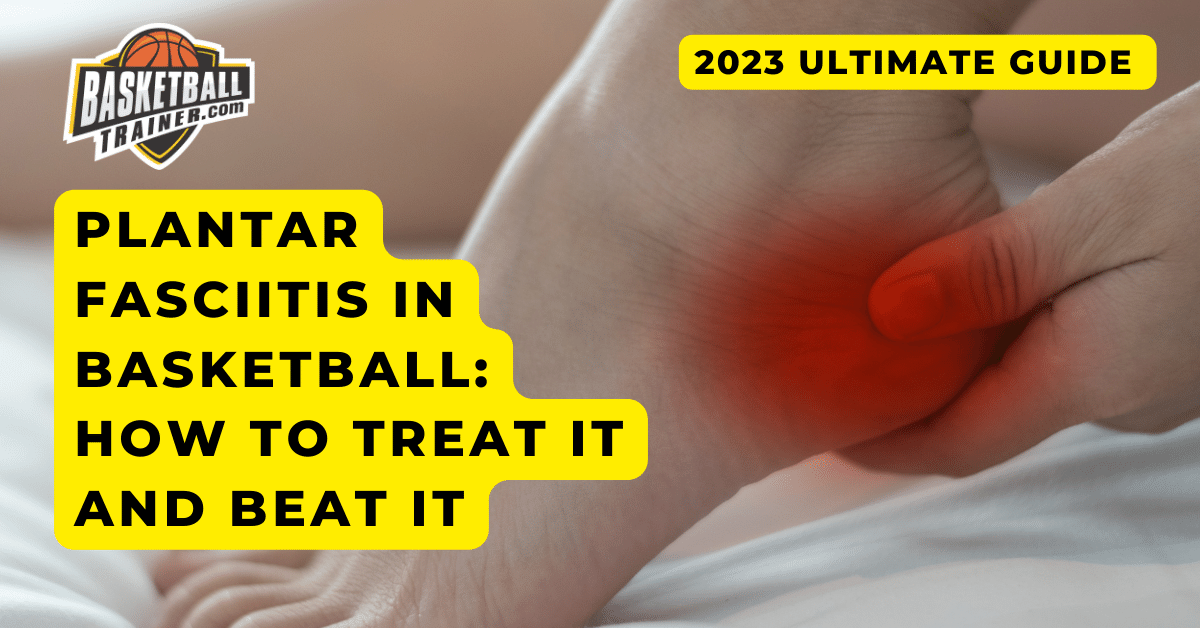
Plantar Fasciitis in Basketball: How To Treat and Beat It

July 7, 2023 By basketballtrainer

Plantar Fasciitis in Basketball

Plantar Fasciitis in Basketball: How To Treat and Beat It, is a debilitating condition that can significantly hamper the performance of basketball players. This painful affliction arises when the plantar fascia, a band of tissue connecting your heel bone to your toes, becomes inflamed or damaged. It’s a common issue among athletes who frequently notice chronic heel pain.

In this comprehensive guide, we delve into various strategies for treating and overcoming plantar fasciitis. From identifying symptoms early on to implementing effective treatment plans and preventative measures—we’ve got you covered.

You’ll also discover strengthening exercises specifically designed for basketball players with compromised plantar fascia. Furthermore, we explore innovative treatments in plantar care and provide expert research statistics along with advice from professionals in the field.

By understanding Plantar Fasciitis in Basketball: How To Treat and Beat It thoroughly, you can effectively manage this condition—allowing you to continue enjoying your game without discomfort or disabling heel pain.

Table of Contents:

  • Identifying Plantar Fasciitis in Basketball Players
    • Symptoms of Plantar Fasciitis
    • Diagnosing Plantar Fasciitis
  • Treating Plantar Fasciitis in Basketball Players
    • Stretch It Out
    • RICE to the Rescue
    • Orthotics for the Win
    • Pain Medication, Anyone?
  • Strengthening Exercises for Plantar Fasciitis in Basketball Players
    • Towel Curls
    • Calf Raises
    • The Windlass Exercise
  • Modalities For Plantar Fasciitis in Basketball
    • Physical Therapy
    • Cryotherapy (Cold Therapy)
    • Iontophoresis
    • Taping or Strapping
  • Preventing Plantar Fasciitis in Basketball Players
    • Choose the Right Kicks
    • Stay Flexible and Fit
    • Listen to Your Feet
    • Don’t Overdo It
  • Recovering From Plantar Fasciitis in Basketball Players
    • Pain Management
    • Nutrition For Recovery
  • Innovative Treatments for Plantar Fasciitis
    • A. Extracorporeal Shockwave Therapy (ESWT)
    • B. Corticosteroid Injections
    • C. Surgery
  • Expert Research, Statistics, and Advice on Plantar
    • A. Understanding Plantar Fasciitis
    • B. Prevalence Among Basketball Players
    • C. Preventive Measures
    • D. Treatment Approaches
  • FAQs in Relation to Plantar Fasciitis in Basketball: How to Treat and Beat it
    • How to Treat Plantar Fasciitis in Basketball Players
    • Preventing Plantar Fasciitis When Playing Basketball
    • How Athletes Can Fix Plantar Fasciitis
    • The Fastest Way to Cure Plantar Fasciitis
  • Conclusion

1. Identifying Plantar Fasciitis in Basketball Players

Plantar fasciitis is like a pesky defender that loves to give basketball players heel pain. It’s caused by the high-impact nature of the sport, but don’t worry, we’ve got you covered with some tips on how to spot it.

Symptoms of Plantar Fasciitis

Have you noticed heel pain, especially when first getting up in the morning or after sitting for a while? Well, one telltale sign is heel pain, especially when you take those first steps in the morning or after sitting for a while. The pain might ease up as you start moving, but it can come back with a vengeance after standing or sitting for too long.

But wait, there’s more. Basketball players with plantar fasciitis might also experience stiffness and tenderness on the bottom of their foot near the heel. And if that’s not enough, some lucky folks might even get some swelling around the affected area.

Diagnosing Plantar Fasciitis

If you suspect you’ve got plantar fasciitis, it’s time to visit the doc. They’ll give your foot a thorough examination, checking for any tender spots and signs of inflammation. They might even test your reflexes, balance, coordination, and muscle tone. It’s like a basketball tryout, but for your feet.

They might need to take a more detailed look and order some imaging exams, such as X-rays. No need to be intimidated, the process is much simpler than a full-court press.

Risk Factors For Developing Plantar Fasciitis

  • Age: Plantar fasciitis likes to hang out with the 40 to 60-year-old crowd.
  • Certain Types Of Exercise: If you’re into long-distance running, ballet dancing, or aerobic dance, you might be more prone to plantar fascia problems. It’s like they have a secret handshake.
  • Foot Mechanics: Having flat feet or a high arch can mess with your weight distribution and put extra stress on the plantar fascia. It’s like a game of Jenga, but with your feet.
  • Oversight And Lack Of Proper Footwear: If you’re not rocking the right basketball shoes, you’re playing with fire. Make sure you choose kicks that are designed to support your feet on the court.

It’s recommended to consult with sports medicine professionals before experimenting with any new treatments, as everyone’s situation is distinct. They’re the MVPs when it comes to keeping your feet happy and healthy.

Key Takeaway:

Basketball players can develop plantar fasciitis, which causes heel pain and stiffness. Symptoms include pain in the morning or after sitting for a while, tenderness near the heel, and possible swelling. It is important to consult with sports medicine experts for proper diagnosis and treatment, as risk factors such as age, certain types of exercise, foot mechanics, and improper footwear can contribute to this condition.

Treating Plantar Fasciitis in Basketball Players

Do not despair if you’re a basketballer dealing with plantar fasciitis. There are plenty of treatment options to help kick that pain to the curb. These treatments aim to reduce inflammation, relieve pain, and restore normal foot function.

Stretch It Out

Stretching exercises are your new best friend. Loosen up those tight muscles and tendons with calf stretches, towel stretches, and stair stretches. The Mayo Clinic has some great examples to get you started.

RICE to the Rescue

RICE therapy is here to save the day. Rest, Ice, Compression, and Elevation are the keys to managing plantar fasciitis symptoms. Rest up, ice it down, compress it tight, and elevate those feet.

Orthotics for the Win

Research has shown that orthotic shoe inserts can be a game-changer for plantar fasciitis. These inserts support your arches and take the pressure off those painful areas. Your feet will thank you.

Pain Medication, Anyone?

When all else fails, pain medication can be your teammate. NSAIDs such as ibuprofen or naproxen may be beneficial for alleviating stubborn pain, but it is important to adhere to the recommended dosage. Just be sure to follow the recommended dosage.

Remember, these treatments can provide temporary relief, but it’s important to consult a sports medicine professional to address the underlying issues causing your plantar fasciitis. And hey, there are even more innovative therapies like shockwave therapy and corticosteroid injections to explore. But we’ll save those for later in this guide.

“Got plantar fasciitis? Don’t let it sideline your game. Learn how to treat and beat it with these effective basketball-specific strategies. #BasketballTraining #PlantarFasciitisRelief” Click to Tweet

3. Strengthening Exercises for Plantar Fasciitis in Basketball Players

If you’re a basketball player dealing with plantar fasciitis, these exercises will help you kick pain to the curb and keep you on your game. Provide your arches with the support they require by strengthening the muscles and tendons surrounding your heel.

Towel Curls

Get cozy on a chair with a towel under your feet. Now, use those toes to scrunch up the towel and then push it away. It’s like a workout for your little foot muscles.

Calf Raises

Raise the bar (or in this case, your heels) with calf raises. Stand tall, feet hip-width apart, and rise up on your tiptoes. Then, gently lower back down. Your calves and heels will thank you.

The Windlass Exercise

Bend and fortify your calf muscles and plantar fascia with this proven technique. Stand upright, then place one foot behind your body and lean forward from the waist. Feel that tension in the bottom of your rear foot? That’s the good stuff.

Note:

  • Take it slow and steady with these exercises. No pain, no gain doesn’t apply here.
  • If something hurts, stop right away and consult a healthcare pro or physiotherapist. Safety first.
  • Consider working with an experienced trainer to make sure you’re doing these exercises correctly.
  • Consistency is key. Stick with it for the best results.

Don’t forget to include general leg workouts like squats or lunges in your routine. They’ll help improve stability during those intense basketball moves like jumping and sprinting. Stay strong and keep those injuries at bay.

“Beat plantar fasciitis in basketball with these strengthening exercises. Keep your game strong and pain-free. #BasketballTraining #PlantarFasciitisRelief” Click to Tweet

Modalities For Plantar Fasciitis in Basketball

Plantar fasciitis can be a major setback for basketball players, but fear not. There are ways to manage and overcome this pesky condition. Check out these treatment methods that can help you kick that pain to the curb:

Physical Therapy

Stretch and strengthen those arch-supporting muscles with targeted exercises. Your feet will thank you.

Cryotherapy (Cold Therapy)

Chill out with ice packs or fancy cryotherapy machines to reduce inflammation and numb the pain. Brrr, but effective.

Iontophoresis

Get zapped with an electrical current to deliver anti-inflammatory medication right where it hurts. Zap away the pain.

Taping or Strapping

Give your feet some extra support with athletic taping techniques. It’s like a cozy hug for your arches.

Laser Therapy

Shine a “cold laser” on your foot to reduce pain and promote tissue regeneration. Let there be light.

Remember, everyone’s case is unique, so tailor these modalities to your individual needs with professional guidance. Don’t ignore heel pain – take action and get back on the court in no time.

“Kick plantar fasciitis to the curb with these treatment methods for basketball players. Strengthen, ice, zap, tape, and shine your way back on the court. #BasketballTraining #PlantarFasciitisTreatment” Click to Tweet

Preventing Plantar Fasciitis in Basketball Players

This painful condition can keep you off the court and mess with your game. Do not fear, there are solutions.

Choose the Right Kicks

Basketball shoes – even the good ones – can be a culprit if they don’t give your heels the support they need. So, opt for lightweight shoes with good arch and heel support to keep that plantar fascia happy.

Stay Flexible and Fit

Flexibility and conditioning are key to keeping your plantar fascia in check. Stretch those calf muscles and Achilles tendon regularly to avoid any unwanted tightening and heel pain.

Listen to Your Feet

If you notice chronic heel pain, don’t brush it off. Address it ASAP to prevent further damage. Ignoring it could lead to damaged arch tissue or even heel spurs – and nobody wants that.

Don’t Overdo It

Remember, rest days are just as important as training days. Avoid pushing yourself too hard on the court, particularly if your feet are already feeling discomfort. Take it easy and give those feet a break.

“Prevent plantar fasciitis in basketball players with the right shoes, flexibility exercises, and listening to your feet. Don’t let foot pain bench you. #BasketballTips #PlantarFasciitisPrevention” Click to Tweet

Recovering From Plantar Fasciitis in Basketball Players

To ensure a successful recovery, one must take their time and be patient when returning to basketball after plantar fasciitis. Just remember, patience is key. Don’t rush back into intense training or games, or you might end up hurting yourself again.

First things first, give your feet a break. Rest is crucial for healing, so take some time off from playing. Take the time off, I promise you won’t regret it.

Physical therapy is your new best friend. Those trained professionals will give you exercises and stretches that target plantar fasciitis. Strengthen those foot muscles, improve flexibility, and let the healing begin.

Pain Management

Don’t let pain bring you down. Grab some over-the-counter pain relievers like ibuprofen to keep those symptoms in check.

Nutrition For Recovery

Eat your way to a speedy recovery. Load up on anti-inflammatory foods like fruits, veggies, lean proteins, whole grains, and omega-3 fatty acids. Your body will thank you.

Gradual Return To Activity

Time to get back in the game, but take it slow. Start with low impact activities like swimming or cycling, then gradually work your way back to basketball. Listen to your body and don’t rush it.

Mental Health During Recovery

Do not neglect your mental health. Injuries can be a real downer, so consider talking to a sports psychologist if you’re feeling emotionally drained.

“Recover from plantar fasciitis and get back on the court with these tips. Rest, physical therapy, pain management, nutrition, and gradual return to activity are key. #BasketballInjury #RoadToRecovery” Click to Tweet

7. Innovative Treatments for Plantar Fasciitis

As a basketball player, you’re always on the lookout for ways to stay at the top of your game. When plantar fasciitis strikes, it can be a real pain in the foot. But fear not – there are some cool treatments out there that could help you bounce back.

A. Extracorporeal Shockwave Therapy (ESWT)

Extracorporeal shockwave therapy, or ESWT, is a fancy way of saying they zap your foot with sound waves. It’s like a rock concert for your plantar fascia, stimulating healing and reducing pain.

B. Corticosteroid Injections

These injections are like superheroes for your foot. They swoop in, fight inflammation, and save the day. Just make sure you have a qualified professional do the injecting – we don’t want any accidental superhero mishaps.

C. Surgery

When all other treatments are exhausted, surgery may be the only viable option. Surgery might be necessary to release tension and give your plantar fascia some much-needed relief. Before resorting to surgery, consider if there are any other options available that may provide relief.

But hey, everyone’s situation is different. What works for one person might not work for another. So before you go all-in on any treatment, make sure to consult with a healthcare pro who knows their stuff.

Note:

  • All these procedures should only be performed by qualified professionals under appropriate clinical conditions. Don’t DIY your foot treatments, folks.
  • The information provided here is intended as guidance, not gospel. So be smart and seek expert opinion before trying anything new. We don’t want any foot-related mishaps on our hands.
“Beat plantar fasciitis on the court with innovative treatments like shockwave therapy, corticosteroid injections, and surgery. Consult a pro for expert advice. #BasketballInjuries #PlantarFasciitisTreatment” Click to Tweet

Expert Research, Statistics, and Advice on Plantar

the painful foot condition that’s got basketball players on their toes.

A. Understanding Plantar Fasciitis

The Mayo Clinic characterizes plantar fasciitis as a sharp, stabbing sensation in the heel that serves as an alarm.

B. Prevalence Among Basketball Players

In a study published by The American Journal of Sports Medicine, it was found that 14% of NBA injuries were plantar fasciitis-related. Ouch.

C. Preventive Measures

WebMD suggests some tips to keep plantar fasciitis at bay: maintain a healthy weight, wear supportive shoes, and avoid worn-out kicks. Your feet will thank you.

D. Treatment Approaches

Rest, ice and extending are the go-to strategies for dealing with plantar fasciitis. But if things get serious, shockwave therapy and corticosteroid injections might be on the table. Talk to the pros before going under the knife.

E: Recovery Timeframe

Recovery time for plantar fasciitis varies, but it’s usually a few weeks to six months. Patience, my friend.

“Got plantar fasciitis from basketball? Don’t worry, we’ve got you covered. Learn how to treat and beat it with expert advice. #BasketballTraining #PlantarFasciitisTips” Click to Tweet

FAQs in Relation to Plantar Fasciitis in Basketball: How to Treat and Beat it

How to Treat Plantar Fasciitis in Basketball Players

Treatment involves rest, ice application, anti-inflammatory medications, stretching exercises, and sometimes physical therapy sessions. More severe cases may require orthotics or steroid injections.

Preventing Plantar Fasciitis When Playing Basketball

Prevention includes wearing supportive shoes, maintaining a healthy weight, and regularly stretching the calf muscles and feet before games or practices.

How Athletes Can Fix Plantar Fasciitis

Athletes often combine rest with physical therapy that focuses on improving flexibility and strength in the foot and lower leg muscles.

The Fastest Way to Cure Plantar Fasciitis

The quickest relief typically comes from rest combined with ice applications to reduce inflammation, along with over-the-counter pain relievers if necessary.

“`

Conclusion

After reading this guide on Plantar Fasciitis in Basketball, you’ll be a pro at treating and beating it – no more hobbling on the court!

Identify, treat, strengthen, prevent, recover from, and explore innovative treatments for this common basketball injury – you’ll be the MVP of foot care!

Know the causes and symptoms of plantar fasciitis in basketball players – don’t let foot pain sneak up on you like a sneaky steal!

Alleviate pain and promote healing with stretching exercises, orthotics, taping techniques, shockwave therapy, or PRP injections – your feet will thank you!

Prevent future occurrences of plantar fasciitis by incorporating strengthening exercises into your training routine – slam dunk on foot problems!

Consult with experts for personalized advice tailored to your specific needs – don’t be a lone shooter, get professional help!


Filed Under: Basketball Parenting, Basketball Player Development, Basketball Product Reviews, Basketball Trainer Blog, blog, Uncategorized

Best Low Top Basketball Shoes: 2023 Top Picks for Players

July 7, 2023 By basketballtrainer

Best Low Top Basketball Shoes

When it comes to the best low top basketball shoes, players and enthusiasts alike are often faced with a multitude of options. These shoes offer excellent on-court performance, making them a popular choice among NBA stars and ambitious players seeking to enhance their game.

In this comprehensive guide, we will delve into the world of low-top models, highlighting how they compare against high tops in terms of fit and functionality. When deciding on the right pair for you, we’ll consider key factors that will help make your choice easier.

We have handpicked our top 5 low top basketball shoes for 2023 that show an impressive blend of comfort, support, style and performance. Each shoe review is backed by rigorous testing and analysis so you can make an informed decision about your next purchase.

Best Low Top Basketball Shoes: BT 2023 Top Picks

The right basketball shoes can make a big difference on the court. Whether you’re aiming for the NBA or just a passionate player, choosing the best low top basketball shoes is crucial. Let’s dive into our top picks for 2023 and find the perfect pair to elevate your game.

In recent years, low-top sneakers have taken over. They offer comfort, flexibility, and speed without sacrificing support or stability. Let’s check out some of our favorite selections making waves this year.

  • Nike KD: The dream shoe for speedy guards with its lightweight design.
  • Air Jordan Low Top: Carrying on Michael Jordan’s legacy with great court feel and support.
  • Nike PG Low Top: The Paul George signature shoe offers excellent support and comfort.
  • Adidas Damian Lillard Edition: A sleek design with good traction for quick cuts and jump shots.
  • Curry Flow: Stephen Curry’s new chapter in low-top sneaker history provides excellent tread pattern and comfort, but may not be ideal for indoor play.

Determining the most suitable shoe for your needs involves considering variables such as playing style, foot shape, and personal preferences. We’ll explore these further in subsequent sections. Stay tuned.

These choices represent advancements in sports technology designed to enhance athletic performance. They follow the lead of iconic players like Kobe Bryant, who preferred low tops over traditional high tops, changing perceptions about what makes a great basketball shoe along their journey to success.

“Discover the top low-top basketball shoes for 2023. Elevate your game with lightweight designs, excellent support, and superior traction. #BasketballShoes #GameChanger” Click to Tweet

Table Of Contents:

  • Best Low Top Basketball Shoes: BT 2023 Top Picks
  • Introduction
    • 1.1 Why the Best Low Top Basketball Shoes Matter
    • 1.2 Trends and Advancements in Low Top Shoes: 2023 Edition
  • II. Low Tops vs. High Tops: Understanding Basketball Shoes
    • 2.1 Anatomy of a Basketball Shoe: From Zoom Air Units to Rubber Outsole
    • 2.2 Why NBA Players Like Kobe Bryant Opted for Low-Top Basketball Shoes
    • 2.3 High Top Shoes vs Low-Top Shoes: Key Differences
  • III. Choosing the Right Low Top Basketball Shoes
    • 3.1 Key Considerations: Comfort, Support, Traction, and Playing Style
    • 3.2 Materials and Durability: From Synthetic to Breathable Uppers
      • Durability:
      • Breathability:
    • 3.3 Understanding the Impact of Shoe Weight and Type on Performance
  • IV. Scoring the Best Pair of Basketball Shoes: Top 5 Low Tops of 2023
    • 4.1 Brief Overview and Criteria for Selection
  • V. Review #1: Nike KD – The Signature Shoes for Speedy Guards
    • 5.1 Key Features and Benefits: Lightweight Players’ Dream
    • 5.2 Potential Drawbacks: Is it the Best Choice for Wide Feet?
    • 5.3 Ideal Use Cases and Target Users: Perfect for Guard Position
  • VI. Review #2: Air Jordan Low Top – The Legacy Continues
    • 6.1 Key Features and Benefits: Great Court Feel and Support
    • 6.2 Potential Drawbacks: Not the Best Shoes for Post Players?
    • 6.3 Ideal Use Cases and Target Users: For those Emulating the Greats
  • Review #3: Nike PG Low Top – The Paul George Signature
    • Key Features and Benefits: Excellent Support and Comfort
    • Potential Drawbacks: Not as Lightweight as the Nike Kyrie Low?
    • Ideal Use Cases and Target Users: For the All-Round Player
  • Review #5: Curry Flow – A New Chapter in Low-Top Sneaker History
    • 9.1 Key Features and Benefits: Excellent Tread Pattern and Comfort
    • 9.2 Potential Drawbacks: Not the Best for Indoor Play?
    • 9.3 Ideal Use Cases and Target Users: Great for Quick Guards like Stephen Curry
  • IX. Review #5: Curry Flow – A New Chapter in Low-Top Sneaker History
    • 9.1 Key Features and Benefits: Excellent Tread Pattern and Comfort
    • 9.2 Potential Drawbacks: Not the Best for Indoor Play?
    • 9.3 Ideal Use Cases and Target Users: Great for Quick Guards like Stephen Curry
  • FAQs in Relation to Best Low Top Basketball Shoes
  • Conclusion

Introduction

Let’s dive into why the best low top basketball shoes matter in the NBA and beyond, and check out the latest trends and advancements in 2023.

1.1 Why the Best Low Top Basketball Shoes Matter

It’s not just about style or brand loyalty – quality low-tops can seriously up your game. With superior traction, comfort, support, and flexibility, these shoes help you make those quick moves that leave defenders in the dust.

1.2 Trends and Advancements in Low Top Shoes: 2023 Edition

Get ready for some next-level shoe tech. The latest low top basketball shoes are all about responsive cushioning, breathable materials, and grip patterns that’ll have you sticking to the court like glue. It’s style and function rolled into one.

Pro players like Kobe Bryant know what’s up. They’ve ditched the high-tops for low-cut sneakers, finding that they give them the agility they need without sacrificing stability or protection against injuries.

“Discover the game-changing power of the best low top basketball shoes. Superior traction, comfort, and flexibility for next-level performance on the court. #BasketballShoes #GameChanger” Click to Tweet

II. Low Tops vs. High Tops: Understanding Basketball Shoes

The world of basketball shoes is diverse and ever-evolving, with a range of styles designed to cater to different types of players and their unique needs on the court. One significant distinction in this realm is between low top and high top basketball shoes.

2.1 Anatomy of a Basketball Shoe: From Zoom Air Units to Rubber Outsole

A basketball shoe has many cool parts that make it awesome. There’s the bouncy Zoom Air units for cushioning, supportive midsoles for stability, and rubber outsoles with fancy tread patterns for killer traction. Check out this guide to learn more about the anatomy of a basketball shoe.

2.2 Why NBA Players Like Kobe Bryant Opted for Low-Top Basketball Shoes

Even NBA superstars like Kobe Bryant ditched the high tops for low-top kicks. Why? Because low tops give you the freedom to move like a ninja while still providing enough support to keep you ballin’.

2.3 High Top Shoes vs Low-Top Shoes: Key Differences

  • Traction: Low-tops have crazy tread patterns that help you make quick cuts and change direction like a boss.
  • Ankle Support: High-tops have taller collars that give you extra ankle support, but they might cramp your style a bit.
  • Flexibility: Low-top sneakers are lightweight and flexible, perfect for speedy players with fancy footwork.

For a detailed comparison between high tops and low tops, check out this link at RunRepeat.com. It’s not just about fashion; it’s all about discovering the right shoe for your sport.

“Discover the best low top basketball shoes for ultimate freedom of movement on the court. Find out why NBA players like Kobe Bryant choose them. #BasketballShoes #LowTops” Click to Tweet

III. Choosing the Right and Best Low Top Basketball Shoes

In your quest for basketball greatness, picking the perfect low top basketball shoes is a slam dunk. Let’s explore some key elements to assist you in making a wise selection.

3.1 Key Considerations: Comfort, Support, Traction, and Playing Style

The ideal low tops should provide supreme comfort and support during intense games or training. They must also offer excellent traction to prevent embarrassing slips on the court. Plus, they should match your playing style, whether you’re a quick-cutting guard or a stable post player.

3.2 Materials and Durability: From Synthetic to Breathable Uppers

The materials used in the shoe construction greatly impact durability and breathability, which are crucial for performance and foot health. Synthetic materials are durable but less breathable, while mesh uppers offer maximum ventilation to keep your feet dry.

Durability:

  • Synthetic Leather: Durable but not the best for breathability.
  • Natural Leather: Provides durability and flexibility, but may require some break-in time.

Breathability:

  • Mesh Uppers: Keep your feet cool and dry throughout the game.

3.3 Understanding the Impact of Shoe Weight and Type on Performance

A heavy shoe can slow you down, while an overly light shoe may sacrifice cushioning and impact absorption. Finding the right balance between weight and cushioning is key to optimizing your performance. Just ask Kobe Bryant, who preferred low-tops for agility over ankle protection. So, consider how weight affects your movement efficiency and choose the low tops that suit your game strategy best.

Remember: It’s not just any pair; it’s THE RIGHT PAIR.

“Maximize your game with the perfect low top basketball shoes. Find supreme comfort, support, and traction for your playing style. #BasketballTraining #LowTopShoes” Click to Tweet

IV. Scoring the Best Pair of Basketball Shoes: Top 5 Low Tops of 2023

The year 2023 has been a slam dunk for basketball shoe enthusiasts, with a fresh lineup of low top models hitting the court. The best low top basketball shoes offer a winning combo of comfort, support, and style that can level up your game. Let’s break down what sets these five picks apart.

4.1 Brief Overview and Criteria for Selection

In picking our top five low tops, we considered a few key factors:

  • Comfort: A comfy shoe keeps your focus on the game, not your tired tootsies.
  • Traction: Good grip is a game-changer, helping you zip around the court like a pro.
  • Durability: The best shoes can handle the heat of intense games and grueling training sessions.
  • Aesthetics: Performance is crucial, but looking fly on the court is a slam dunk bonus.

We’ve put numerous models through the wringer based on these criteria to bring you our top 5 low top basketball shoes. Each pair offers unique features tailored to different playing styles and preferences.

To keep things fair, we consulted a range of sources, including professional reviews from trusted sites like Sneaker News, customer feedback from online retailers like Amazon and Foot Locker, and input from players who’ve put these shoes to the test in real games and practices.

But remember, personal preference is key – after all, every player’s feet are one-of-a-kind. We recommend giving the shoes a go before making your choice. Just remember, comfort should always reign supreme when choosing athletic footwear.

V. Review #1: Nike KD – The Signature Shoes for Speedy Guards

When it comes to low-top basketball shoes, the Nike KD range is a top contender. These kicks are designed for guards who need to move like lightning on the court.

5.1 Key Features and Benefits: Lightweight Players’ Dream

The Nike KD is as light as a feather, thanks to its Flyweave construction. It’s like wearing air on your feet. Plus, the Zoom Air units in the forefoot provide cushioning that’s as responsive as a cheetah.

5.2 Potential Drawbacks: Is it the Best Choice for Wide Feet?

But hold up, if you’ve got wide feet, these shoes might not be your soulmate. They’re a bit narrow, so make sure you try them on before committing.

5.3 Ideal Use Cases and Target Users: Perfect for Guard Position

  • Athletic Guards: These shoes are a slam dunk for guards who value speed and agility.
  • Youth Basketball Players: Young ballers looking to level up their game will feel like all-stars in these kicks.
  • Casual Wearers: Even if you’re not hitting the court, these stylish sneakers will make you feel like a champ. Plus, they’re endorsed by Kevin Durant himself.

In conclusion, the Nike KD is a premier option for those seeking high-performance low-top basketball shoes. So lace up and get ready to dominate the court.

“Dominate the court with Nike KD low-top basketball shoes. Lightweight and responsive, perfect for speedy guards. #Basketball #NikeKD” Click to Tweet

VI. Review #2: Air Jordan Low Top – The Legacy Continues

The legacy of Michael Jordan lives on in the Air Jordan Low Top shoes. These kicks inspire basketball players worldwide with their sleek design, court feel, and support.

6.1 Key Features and Benefits: Great Court Feel and Support

The Air Jordan Low Tops provide excellent court feel with their sleek design. They have Zoom Air units in the forefoot for responsive cushioning, enhancing speed and agility. Plus, they offer ankle support without sacrificing mobility.

6.2 Potential Drawbacks: Not the Best Shoes for Post Players?

While these shoes excel in many areas, they may not be ideal for post players who need more ankle protection. However, individual preferences vary based on playing style and comfort needs.

6.3 Ideal Use Cases and Target Users: For those Emulating the Greats

For those seeking to emulate the greatness of NBA icons like Michael Jordan or Kobe Bryant, these shoes are an ideal choice. They’re perfect for guards or forwards who value quickness on the court.

These sneakers are constructed with durable synthetic material and breathable uppers, ensuring both longevity and comfort during games or training sessions. They’re lightweight for better performance without straining your feet.

To sum it up, if you’re looking for low top basketball shoes that provide excellent court feel, solid support, and a touch of MJ vibes, look no further than the Air Jordan Low Tops.

“Get the court feel and support you need with Air Jordan Low Tops. Perfect for guards and forwards emulating NBA legends like MJ and Kobe. #BasketballShoes #AirJordan” Click to Tweet

Review #3: Nike PG Low Top – The Paul George Signature

When it comes to basketball shoes, the Nike PG Low Top has made quite an impact in 2023. Let’s dive into the key features, drawbacks, and ideal use cases of these kicks.

Key Features and Benefits: Excellent Support and Comfort

The Nike PG Low Tops offer exceptional support and comfort. With Zoom Air units for cushioning and a rubber outsole for grip, these shoes have got your back on the court.

Potential Drawbacks: Not as Lightweight as the Nike Kyrie Low?

One downside is that these shoes might not be as lightweight as the Nike Kyrie Lows. Speed demons might prefer a lighter option.

Ideal Use Cases and Target Users: For the All-Round Player

The Nike PG Low Tops are perfect for all-round players who need stability and comfort. From street ballers to pros, these shoes have got you covered.

  • Anatomy: Zoom Air Units + Rubber Outsole = Responsive Cushioning + Excellent Grip
  • Potential Drawback: Slightly heavier than some other low top options
  • Ideal User: All-round player requiring stability & comfort
“Discover the game-changing Nike PG Low Tops – perfect for all-round players seeking stability, comfort, and exceptional support on the court. #BasketballShoes #NikePGLowTops” Click to Tweet

Review #5: Curry Flow – A New Chapter in Low-Top Sneaker History

Curry Flow has established itself as a leader among low-top basketball shoes, providing top quality performance on both indoor and outdoor courts.

9.1 Key Features and Benefits: Excellent Tread Pattern and Comfort

The Curry Flow stands out with its exceptional tread pattern that offers superior grip on both indoor and outdoor courts, enhancing your performance during games or practice sessions. And hey, the comfort is no joke either. It’s got an innovative cushioning system that absorbs shock like a boss without sacrificing responsiveness or court feel.

9.2 Potential Drawbacks: Not the Best for Indoor Play?

Now, here’s the thing. While these shoes perform like champs outdoors, they might not be the ideal pick for indoor play. Why? Well, their aggressive traction pattern could potentially leave marks on those fancy hardwood floors if you go crazy with them indoors.

9.3 Ideal Use Cases and Target Users: Great for Quick Guards like Stephen Curry

If you’re a quick guard who values speed, agility, and precision just like NBA superstar Stephen Curry, then this shoe might be your perfect match. Its lightweight design promotes swift movements on the court while providing ample support to prevent those pesky ankle injuries that guards often face.

The combination of excellent traction control, high-level comfortability, and sleek design aesthetics makes these sneakers a popular choice among ambitious players looking to level up their game.

“Looking for the best low-top basketball shoes? Check out Curry Flow – excellent traction, comfort, and perfect for quick guards like Stephen Curry. #BasketballShoes #CurryFlow” Click to Tweet

IX. Review #5: Curry Flow – A New Chapter in Low-Top Sneaker History

The Curry Flow is making waves in the low-top basketball shoe market with its unique design and impressive features. Let’s dive into what sets this shoe apart from the rest.

9.1 Key Features and Benefits: Excellent Tread Pattern and Comfort

The Curry Flow boasts an excellent tread pattern that provides exceptional grip on both indoor and outdoor courts, enhancing player agility. These shoes also offer top-notch comfort with a responsive cushioning system that absorbs impact effectively.

9.2 Potential Drawbacks: Not the Best for Indoor Play?

Some users have reported slippage issues on indoor courts due to the unique sole design of the Curry Flow, which lacks traditional rubber outsoles found in most basketball shoes today.

9.3 Ideal Use Cases and Target Users: Great for Quick Guards like Stephen Curry

This pair of sneakers is perfect for players who emulate Stephen Curry’s style of play – quick guards who need reliable traction without compromising comfort or foot support. The lightweight nature and superior traction make them ideal for those looking to enhance their speed and agility on the court.

In essence, if you’re seeking a high-performing low-top basketball shoe that offers great comfort and superior traction, but may not be the best for indoor play, then the innovative Under Armoura€™s “Curry Flows” could be worth your time.

“Looking for top-notch low-top basketball shoes? Check out the Curry Flow by Under Armour. Excellent grip and comfort, perfect for quick guards like Stephen Curry. #BasketballShoes #CurryFlow” Click to Tweet

FAQs in Relation to Best Low Top Basketball Shoes


What is the benefit of low top basketball shoes?

Low top basketball shoes provide increased mobility and speed, making them ideal for guards who rely on quick movements they’re like lightning on the court.

Do any NBA players wear low tops?

Yes, many NBA players such as LeBron James, Kevin Durant, and Stephen Curry prefer rocking low top sneakers during games—they know style and performance go hand in hand.

Why did Kobe Bryant wear low top shoes?

Kobe Bryant, the legendary baller, chose to wear low-top Nike models because he believed they offered better performance and agility on the court—he was all about that Mamba mentality.

What shoes does Ja Morant wear?

Ja Morant, the explosive guard in the NBA, currently rocks his signature model from Nike called “JA 12″—he’s got his own shoe game on lock.

What are the top-rated low top basketball shoes?

The top-rated low top basketball shoes currently are the Nike KD 13, Under Armour Curry 7, and Adidas Harden Vol. 4. These models offer a perfect balance of comfort, stability, and support that most basketball players require.

What makes a good low top basketball shoe?

A good low top basketball shoe offers excellent traction, cushioning, and lateral support. It should be lightweight and breathable for comfort during intense games. Brands like Nike, Under Armour, and Adidas often incorporate these features into their designs.

Why should I choose a low top basketball shoe?

Low top basketball shoes offer greater flexibility and ease of movement compared to high-tops. This can result in improved speed and agility on the court, providing a competitive edge.

Are low top basketball shoes safe to use?

Yes, low top basketball shoes are safe for basketball, providing the same ankle support as high-tops when well-designed. It’s crucial, however, to choose shoes that fit well and provide adequate cushioning and traction.

What are the most comfortable low top basketball shoes?

The most comfortable low top basketball shoes often include the Under Armour Curry 7 and Nike KD 13, known for their superior cushioning and well-ventilated designs.

Which low top basketball shoes have the best traction?

Nike Lebron 17 Low and Adidas Harden Vol. 4 are recognized for their outstanding traction, offering excellent grip on the court to facilitate quick, precise movements.

How to choose the right size of low top basketball shoes?

When choosing low top basketball shoes, try on different sizes to find the perfect fit. They should be snug but not tight, leaving some room for your toes. Always consider the brand’s size guide, as sizing may vary.

Are low top basketball shoes suitable for outdoor play?

Yes, low top basketball shoes can be suitable for outdoor play, especially models with sturdy, durable outsoles. However, it’s important to check the shoe’s specific design and material for outdoor compatibility.

Who are some professional athletes that prefer low top basketball shoes?

Notable professional athletes like Stephen Curry and James Harden prefer low top basketball shoes for their increased flexibility and comfort.

Do low top basketball shoes provide enough ankle support?

When designed well, low top basketball shoes provide enough ankle support. They often incorporate features such as padded collars or heel counters to ensure stability.

What materials are best for low top basketball shoes?

Materials like synthetic mesh and leather are commonly used in low top basketball shoes for their breathability, comfort, and durability.

Are low top basketball shoes better for guards?

Low top basketball shoes are often favored by guards due to their enhanced flexibility and lightness, enabling quicker cuts and speedier court movements.

Which low top basketball shoes are best for wide feet?

Brands like Under Armour and New Balance offer basketball shoe models with wider designs, such as the Under Armour Curry 7 and New Balance Kawhi, providing a comfortable fit for players with wide feet.

How long do low top basketball shoes typically last?

The longevity of low top basketball shoes depends on usage, but on average, they can last anywhere from 6 months to a year with regular play. High-quality shoes from reputable brands often last longer.

Can low top basketball shoes help improve my game?

Low top basketball shoes can enhance your speed and agility on the court due to their lightweight and flexible design. However, remember that they’re just a tool; consistent practice and

Conclusion

After understanding the difference between low tops and high tops and learning how to choose the right pair of basketball shoes, we’ve identified the top 5 best low top basketball shoes for 2023:

  1. Nike KD – The Signature Shoes for Speedy Guards.
  2. Air Jordan Low Top – The Legacy Continues.
  3. Nike PG Low Top – The Paul George Signature.
  4. Adidas Basketball Shoe – The Damian Lillard Edition.
  5. Curry Flow – A New Chapter in Low-Top Sneaker History.

If you’re a competitive b-baller in search of the top low cut basketball shoes to upgrade your play on the court, any one of these could be an ideal pick. Whether you prioritize speed, legacy, signature style, or innovative design features like Curry’s Flow technology, there is a shoe on this list that will meet your needs. Invest in one of these best low top basketball shoes and take your game to new heights!


Filed Under: Basketball Product Reviews, Basketball shoes, Basketball Trainer Blog, blog, Uncategorized

Balancing Individual and Team Needs in Basketball: Players Guide

July 7, 2023 By basketballtrainer

Individual and Team Needs in Basketball: Players Guide

Understanding the intricacies of balancing individual and team needs in basketball is a critical aspect of player development. This balance can often be a complex puzzle, as both elements are essential for success on the court.

In this post, we delve into recognizing the importance of individual player development, examining how personal growth contributes to overall team performance. We’ll also discuss striking an equilibrium between individual goals and team objectives – a challenging but necessary task.

We’ll further explore navigating playing time and role expectations, providing insights on managing these aspects effectively. Lastly, our focus will shift to emphasizing teamwork and collaboration within basketball teams because no matter how talented individuals may be, it’s ultimately teamwork that wins games.

This comprehensive exploration aims at shedding light on balancing individual and team needs in basketball while enhancing your understanding of this multi-faceted sport.

Table of Contents:

  • Developing Players for Team Success
    • Improving Weaknesses
    • Open Communication
  • Balancing Personal Goals and Team Objectives
    • Avoiding Overreliance
  • Striking a Balance Between Individual Goals and Team Objectives
    • Goal Orientation and Team Performance
    • Common Scenarios in Basketball
    • Dialogue with Self and Coach
  • Navigating Playing Time and Role Expectations
    • The Concept and Relevant Statistical Research
    • Common Scenarios in Basketball
    • Suggested Dialogue With Self And Coach In These Scenarios
  • Teamwork and Collaboration in Basketball
    • The Power of Teamwork: Research and Statistics
    • Examples of Teamwork in Basketball
    • Fostering Collaboration Among Players: Strategies & Techniques
  • FAQs in Relation to Balancing individual and Team Needs in Basketball
    • What is balancing in basketball?
    • How does balance and stability help in basketball?
    • How do you maintain balance in basketball?
    • How is balance used in sports?
  • Conclusion

Developing Players for Team Success

Basketball is a team sport, but individual player development is crucial for success. Research shows that personalized training programs can significantly improve a player’s performance.

Improving Weaknesses

When a player struggles with a particular skill, such as shooting accuracy or strength, targeted training can help. For example, a point guard may need extra practice on shot mechanics, while a center may benefit from weightlifting and conditioning exercises.

Open Communication

Players should have open conversations with themselves and their coach about their needs. For example, a player may commit more time to practicing their shots, or ask their coach to incorporate more targeted drills into their practice routine.

Balancing Personal Goals and Team Objectives

While individual skills are important, basketball is ultimately a team sport. Teams with balanced roles tend to perform better than those dominated by one or two individuals.

Avoiding Over reliance

Players should avoid over-relying on their strengths, such as scoring, if it hampers ball distribution among teammates. Similarly, being too selfless can also negatively impact the team if a player consistently passes up scoring opportunities.

Effective Dialogue

Players should communicate with themselves and their coach about finding a balance between personal achievements and teamwork. For example, a player may recognize the need to involve others in scoring opportunities, and ask their coach for strategies to modify their approach.

Continuous learning, growth, and adaptability are essential for becoming an accomplished basketball player. Seek guidance from coaches and stay tuned to BasketballTrainer.com for more insights, tips, and resources.

“Maximizing individual skills while balancing team objectives is key to success in basketball. Learn how to achieve both with expert tips from BasketballTrainer.com #PlayerDevelopment #TeamSuccess “ Click to Tweet

Striking a Balance Between Individual Goals and Team Objectives

Improving as an individual is important, but basketball is a team sport. Balancing personal ambitions with the needs of the team is crucial for success.

Goal Orientation and Team Performance

Task-oriented players are more likely to cooperate with teammates, benefiting overall team performance. (Journal of Sport & Exercise Psychology)

Common Scenarios in Basketball

Should you insist on playing outside to showcase your skills or accept a role given by your coach for the benefit of the team? Open communication is key.

Dialogue with Self and Coach

  • Self-reflection: “How can I use my strengths to better contribute towards our collective success?”
  • Talking points with Coach: “Could we explore strategies where I get opportunities from beyond-the-arc too?”

Maintaining this balance requires constant introspection and open dialogue within teams.

Nurturing Individual Growth Within Team Dynamics

Adopt these practices:

  1. Foster an environment that encourages both individual improvement and teamwork.
  2. Prioritize clear communication channels between coaches, players, and parents.
  3. Create shared goals that align individual aspirations with those of the entire squad.
  4. Promote mutual respect amongst all members so every voice feels heard.
“Maximizing team success in basketball requires striking a balance between individual goals and teamwork. Foster open communication and mutual respect to achieve both. #BasketballTraining #TeamworkMakesTheDreamWork “ Click to Tweet

Navigating Playing Time and Role Expectations

Playing basketball is like being part of a team sport or something. It’s important to understand your role and manage expectations around playing time. Balancing individual needs with those of the team can be tough, but it’s necessary.

The Concept and Relevant Statistical Research

A study by NCBI shows that player satisfaction is strongly linked to perceived fairness in playing time distribution. Coaches need to manage this aspect carefully to ensure each player feels valued and understands their contribution to the team’s success.

Common Scenarios in Basketball

It’s common for ambitious players to feel they deserve more court time or a different role than what they’ve been assigned. For example, you might be an excellent shooter but have been given a defensive role because your coach believes it benefits the team. Alternatively, you could be spending less time on court due to other players’ superior skills or experience levels.

  • Scenario 1: You’re not getting as much playtime as you’d like – In this case, show your commitment towards improving yourself so that coach has no choice but give you more opportunities.
  • Scenario 2: Youa€™re being asked to play a position that doesna€™t showcase your strengths – Communicate with your coach explaining why another position might better suit both you and the team.

Suggested Dialogue With Self And Coach In These Scenarios

If these scenarios sound familiar, ask yourself: Am I putting enough effort into training? Do I understand my current role well enough? Is there something specific I need work on?

Communicate openly with your coach about these concerns while showing respect for their decisions thus far. The conversation could start like this: “Coach, I appreciate all the guidance so far; however, I believe if given opportunity at XYZ position/more game-time, I can contribute significantly towards our team’s success.”

Tips To Handle Such Situations Effectively

  1. Show patience: Your chance will come eventually if you keep working hard and stay ready.
  2. Maintain a positive attitude: No matter what happens, maintain positivity. This helps in building good rapport among teammates and coaches. Remember, you are part of a bigger picture – Team Success.

The key here is constructive dialogue rather than confrontational demands. By taking a proactive approach, you’ll find navigating through playing times and roles becomes a lot easier, leading ultimately towards personal growth and development.

Key Takeaway:

Balancing individual and team needs in basketball can be challenging, but it’s necessary to understand your role and manage expectations around playing time. Coaches should distribute playing time fairly to ensure player satisfaction, while players who want more court time or a different role should communicate openly with their coach while showing patience and maintaining positivity.

Teamwork and Collaboration in Basketball

Basketball requires collective effort to be successful; it’s not just about individual ability, but how those abilities can come together to achieve a shared objective. It’s not just about individual skills, but how they can be woven together to achieve common goals.

The Power of Teamwork: Research and Statistics

Research consistently shows that teams with higher levels of cooperation outperform those that rely on individual star power. In basketball, successful teams pass the ball more frequently than less successful ones, highlighting the importance of team play over solo efforts.

Examples of Teamwork in Basketball

Passing the ball to a teammate in a better position or setting screens for them are classic examples of teamwork in basketball. These instances emphasize how crucial collaboration is within any winning strategy.

Self-Reflection Questions:

  • “Am I making decisions based solely on my personal stats or am I considering what’s best for my team?”
  • “How can I help create opportunities for my teammates?”
  • “Am I communicating effectively with my teammates during games?”

Talking Points With Your Coach:

  • “Coach, how can we improve our communication during games?”
  • “What strategies can we use as a team to ensure everyone gets involved offensively?”
  • “Can you suggest drills that will enhance our understanding and execution of set plays?”

Fostering Collaboration Among Players: Strategies & Techniques

Promoting teamwork involves fostering strong relationships among players off-court. Regular team-building activities like group workouts or social events can strengthen bonds between players, leading to more effective collaboration on the court.

Self-Reflection Questions:

  • “Do I actively participate in off-court activities organized by our coach/team management?”
  • “How well do I know each one of my teammates outside of the game context?”
  • “What can I do to contribute towards building stronger team relationships?”

Talking Points With Your Coach:

  • “Coach, what kind of team-building activities can we organize regularly?”
  • “How can we encourage players to get to know each other better off-court?”
  • “Are there ways we could incorporate elements of team-building into our training sessions?”

Key Takeaway:

Basketball success relies heavily on teamwork and collaboration, with research showing that teams who prioritize cooperation outperform those who rely solely on individual skills. Examples of teamwork in basketball include passing the ball to teammates and setting screens for them, while fostering strong relationships off-court can lead to more effective collaboration during games. Self-reflection questions and talking points with coaches are provided as tools for improving team dynamics.

FAQs in Relation to Balancing individual and Team Needs in Basketball

What is balancing in basketball?

In basketball, balancing refers to managing individual skills improvement while contributing effectively to the overall team’s success.

How does balance and stability help in basketball?

Balance and stability are crucial for maintaining control during shooting, dribbling, passing, defending, and rebounding actions on the court.

How do you maintain balance in basketball?

Maintaining balance involves consistent training focused on core strength exercises, proper body positioning techniques, and practicing game-like situations regularly.

How is balance used in sports?

In sports like basketball, balance helps athletes execute movements with precision, maintain control under pressure conditions, and prevent injuries by improving body coordination.

Conclusion

Swish, Score, and Succeed: Balancing Individual and Team Needs in Basketball

Got game? Great, but remember that basketball is a team sport, so it’s important to balance individual skills with team objectives.

Playing time and role expectations can be tricky, but emphasizing teamwork and collaboration can lead to a more cohesive and successful unit.


Filed Under: Basketball Parenting, Basketball Player Development, Basketball Trainer Blog, blog, Uncategorized

Best Street Basketball: BT 2023 Buyer Guide

July 7, 2023 By basketballtrainer


The pursuit of the best street basketball is an endeavor shared by many ambitious players, from high school hopefuls to professional athletes. This guide will provide all the necessary details to make a wise choice when selecting your next basketball for outdoor play.

Whether you’re a seasoned player or just starting out, choosing the right outdoor basketball can significantly impact your performance. From understanding the differences between rubber and composite balls to assessing durability in highly-populated basketball areas like Rucker Park, this post covers it all.

We’ll delve into factors such as size, weight and skill level considerations that could influence your choice. Additionally, we’ll share tips on how to care for your ball so it stays in top shape longer. If you’ve ever wondered about NBA history basketball or what kind of ball today’s game players prefer – stick around! You’re about to set off on a voyage into the realm of current street ball.

Best Street Basketball: BT 2023 Picks

Composite and Synthetic Category:

  1. Molten BG3000
  • Pros: Great grip, durable, good bounce, suitable for indoor and outdoor use.  The favored outdoor ball of Europe and the International  scene.  
  • Cons: Expensive
  1. Wilson NCAA Replica
  • Pros: Durable, optimal grip and ball control, suitable for indoor and outdoor use
  • Cons: May not be suitable for those who prefer a softer feel
  1. Nike Dominate 3×3
  • Pros: Affordable, good grip, durable, suitable for outdoor use
  • Cons: May not be suitable for those who prefer a softer feel
  1. FIBA 3×3 Official Game Basketball
  • Pros: Durable, good grip, suitable for outdoor use
  • Cons: Expensive, may not be suitable for those who prefer a softer feel
  1. Spalding NBA Zi/O Excel
  • Pros: Durable, versatile, good grip, suitable for indoor and outdoor use
  • Cons: May not be suitable for those who prefer a softer feel

Rubber Category:

  1. Spalding Phantom
  • Pros: Durable, good grip, suitable for outdoor use
  • Cons: May not be suitable for those who prefer a softer feel
  1. Wilson Evolution
  • Pros: Durable, good grip, suitable for indoor and outdoor use
  • Cons: May not be suitable for those who prefer a softer feel
  1. Under Armour 495 Indoor/Outdoor
  • Pros: Durable, good grip, suitable for indoor and outdoor use
  • Cons: May not be suitable for those who prefer a softer feel
  1. Mikasa BX1000 Premium Rubber
  • Pros: Durable, good grip, suitable for outdoor use
  • Cons: May not be suitable for those who prefer a softer feel
  1. Spalding NBA Street
  • Pros: Sturdy rubber cover, deep channel design for firm grip, suitable for outdoor use
  • Cons: May not be suitable for those who prefer a softer feel


Heavy Training Ball:

  1. Spalding NBA Tack Soft
  • Pros: Durable, good grip, suitable for indoor and outdoor use, designed for training
  • Cons: May not be suitable for those who prefer a softer feel


Oversized Ball:

  1. Baden SkilCoach Shooter’s Oversized
  • Pros: Helps improve shooting accuracy, suitable for indoor and outdoor use
  • Cons: May not be suitable for those who prefer a standard size ball


Outdoor Red, White, and Blue Ball:

  1. Spalding NBA Street Phantom
  • Pros: Durable, good grip, suitable for outdoor use, patriotic design

Table Of Contents:

  • Best Street Basketball: BT 2023 Picks
    • Composite and Synthetic Category:
        • Molten BG3000
    • Rubber Category:
        • Spalding Phantom
  • I. Introduction
    • A. The Thrill of Street Basketball
    • B. Importance of Choosing the Right Basketball
  • II. Factors to Consider When Selecting a Basketball
    • A. Outdoor Durability
    • B. Grip and Control
    • C. Size and Weight
      • D. Material Quality
        • E. Brand Reputation
  • III. Rubber Basketballs
    • A. Pros
    • B. Cons
  • IV. Composite Basketballs
    • A. Pros
    • B. Cons
  • Using Leather Balls Outside
  • VI. Factors for Different Skill Levels
    • A. High School Players
    • B. Younger Players
      • C1: Beginner Level
      • C2: Intermediate Level
      • C3: Advanced Level
  • Basketball Size and Weight Guide
    • Standard Sizes
    • Junior Sizes
    • Weight Considerations
      • Different Sizes for Different Skill Levels
  • Cleaning and Caring for Your Street Basketball
    • Cleaning
    • Storage
  • FAQs in Relation to Best Street Basketball
  • Conclusion


I. Introduction

The thrill of street basketball is unmatched. It’s where professional athletes aren’t always kings, but today’s game players from different backgrounds come together to showcase their skills and passion for the sport.

Choosing the right basketball is crucial. NBA history shows us the importance of high-quality equipment, even if you’re just aiming to become the king or queen of your local park. The Spalding Phantom Outdoor Ball or similar models could be great choices, combining durability with excellent grip for offensive and defensive strategies.

A. The Thrill of Street Basketball

Street basketball is all about expressing yourself through your moves on the court. It’s a place where folks of varying backgrounds congregate to demonstrate their enthusiasm and proficiency in the game.

B. Importance of Choosing the Right Basketball

Choosing a durable ball is crucial, as NBA history has shown us the importance of high-quality equipment. The Spalding Phantom Outdoor Ball or similar models are great choices, combining durability with excellent grip for offensive and defensive strategies.

“Unleash your skills on the street court with the right basketball. Choose a durable ball like Spalding Phantom Outdoor for ultimate performance. #StreetBasketball #GameOn” Click to Tweet

II. Factors to Consider When Selecting a Basketball

Selecting the right basketball for street play is crucial for maximizing your game and having a ball (pun intended). Here are some things to think about:

A. Outdoor Durability

Playing on rough surfaces like concrete can be tough on a ball. Look for one with a durable rubber cover that can handle the mean streets while still giving you a good bounce.

B. Grip and Control

Don’t let a slippery ball ruin your game. Find one with a deep channel design that offers great grip, even when it’s wet. You’ll have better control than a politician trying to spin the truth.

C. Size and Weight

Size matters, especially when it comes to basketballs. Select a basketball size that is suitable for your age and ability. Don’t make the mistake of selecting a basketball that is either too large or too small for your age and skill level.

D. Material Quality

The material of the ball affects how it feels in your hands and how long it lasts. Whether it’s composite leather, synthetic leather, or genuine leather, choose wisely based on where you’ll be playing most often. Don’t be fooled by imitations like a fake Rolex.

E. Brand Reputation

When it comes to basketball brands, some have a slam dunk reputation for quality. Look for reputable brands like Nike, Spalding, and Wilson. They’ve got the skills to pay the bills.

Remember, it’s not just about the brand name. Find a ball that suits your needs and helps you improve your game. Whether you’re shooting hoops alone or playing with friends, choose wisely and ball out.

“Maximize your game on the streets with a durable, grippy, and properly sized basketball. Choose wisely and ball out. #StreetBasketball #GameOn” Click to Tweet

III. Rubber Basketballs

Rubber basketballs are the MVPs of street games – tough, cheap, and always ready to play. These balls can handle any rough court and won’t break the bank.

A. Pros

  1. Affordable Price Point: Rubber basketballs are a slam dunk for your wallet. They give you great value without draining your bank account.
  2. Cheaper Rubber Balls: These rubber balls are proof that you don’t have to sacrifice quality for a lower price. They still bring their A-game.

B. Cons

  1. Limited Bounce: Rubber basketballs may not have the highest bounce in the game. So, don’t expect them to reach for the stars.
  2. Less Control: When it comes to control, rubber balls can be a bit of a handful. They’re harder and don’t conform as well to your hand.

Despite their quirks, rubber basketballs are the MVPs of the streets. They can handle any weather and won’t break your budget. But if you want more control and bounce, consider upgrading to a higher-quality ball like a composite or genuine leather one.

To keep your rubber basketball in top shape, give it some TLC. Clean it after each game, store it away from the sun, and make sure it’s inflated just right – not too hard, not too soft.

The choice is yours – go for the budget-friendly rubber ball or shoot for the stars with a higher-quality one. It depends on what your requirements are for a ball.

“Get in the game with rubber basketballs – tough, affordable, and ready for any street court. Slam dunk your budget without sacrificing quality. #StreetBasketball #RubberBalls” Click to Tweet

IV. Composite Basketballs

Composite basketballs are a slam dunk choice for street ballers. They offer superior grip, consistent bounce, and excellent air retention. Plus, their deep channels design and use of composite materials make them a real game changer.

A. Pros

  • Enhanced Grip and Control: Get a grip. Composite basketballs provide better control on the court.
  • Consistent Bounce: No more wild bounces. These balls keep it predictable, even on rough surfaces.
  • Air Retention: Inflate it and forget it. These balls hold their air, so you can play longer without interruptions.
  • Durable Design with Deep Channels: These balls can take a beating. The deep channels not only improve grip, but also make them last longer.
  • Made with Composite Materials: Get the feel of a leather ball without breaking the bank. These composite balls are a slam dunk for your wallet.

B. Cons

But wait, there’s a catch. Composite basketballs aren’t as tough as they seem when it comes to outdoor play.

  • Sensitive To Outdoor Conditions: These balls prefer the indoors. Harsh weather and rough concrete can be a real buzzkill for them.

To get the most out of your composite basketball, treat it right. Store your composite basketball in a cool, dry place away from the sun and keep it properly inflated for optimal performance on the court. That way, it’ll be your MVP on the court, game after game.

“Upgrade your street game with composite basketballs. Experience enhanced grip, consistent bounce, and excellent air retention. #BasketballTraining #StreetBall” Click to Tweet

Using Leather Balls Outside

When it comes to using leather basketballs outside, the simple advice is: Don’t. Genuine leather balls are like delicate flowers, meant to be cherished indoors on smooth hardwood courts.

These balls provide an excellent grip and a consistent bounce that players love, making them a popular choice for the NBA. But take them outside, and they’ll be crying for their mama.

  • Rough Surfaces: Street basketball on concrete or asphalt is a death sentence for leather balls. Those tough conditions will tear them apart faster than a hungry dog on a bone.
  • Durability Issues: Leather isn’t as tough as synthetic materials. It can’t handle dirt, moisture, or temperature changes like its rubber or composite counterparts.
  • Maintenance Requirements: Leather balls demand more TLC. You’ll need special cleaning solutions and a whole lot of time to keep them in good shape. Not exactly practical for a casual street game.

So, instead of risking your precious NBA-grade ball, invest in an outdoor ball made from composite materials or rubber. They’ll survive the mean streets without sacrificing too much on grip and control.

Remember, save those beautiful leathers for indoor glory. The streets are no place for delicate souls.

“Protect your precious leather basketballs. Stick to composite or rubber balls for street games. #BasketballTips #StreetBall” Click to Tweet

VI. Factors for Different Skill Levels

Choosing the right street basketball isn’t just about durability and grip, it’s also important to consider the player’s skill level. A high school player may need a different type of ball than a younger or less experienced player.  The top pick  for a youngster who plays in the rain puddles is going to be different than the aspiring pro who need that FIBA feel as his best option.

A. High School Players

The average circumference of a basketball used by high schoolers is 29.5 inches, providing an adequate level of difficulty for dribbling, passing and shooting while still being accessible to teenagers. This size provides enough challenge for dribbling, shooting, and passing while still being manageable for most teenagers.

B. Younger Players

Younger players might find the standard size too big to handle comfortably. Smaller balls, such as Size 6 (28.5 in.) or even the diminutive Size 5 (27.5 in.), are accessible for those who may find the standard size difficult to manage comfortably. These sizes allow children to develop their skills without struggling with an oversized ball.

C1: Beginner Level

For beginners starting out with street basketball, using a lighter ball can help them get accustomed to handling and shooting techniques more easily before moving onto heavier balls used in professional games.

C2: Intermediate Level

Intermediate-level players should opt for durable rubber cover balls that offer great grip and withstand rough surfaces often found outdoors.

C3: Advanced Level

If you’re an advanced player looking to take your game up another notch, composite leather basketballs would be ideal due to their superior grip and excellent control over various movements.

“Choose the right street basketball for your skill level. High school players go for standard size, while younger and beginners can opt for smaller or lighter balls. Advanced players? Composite leather is the way to go. #BasketballSkills #StreetBall” Click to Tweet

Basketball Size and Weight Guide

Choosing the right basketball size is crucial for your performance on the court. Don’t be a ball hog, get the right one.

Standard Sizes

Men’s games use a Size 7 ball with a circumference of 29.5 inches. Women’s leagues go for a slightly smaller Size 6 ball at 28.5 inches. Size matters.

Junior Sizes

Juniors play with smaller sizes. Kids aged 9-11 use a Size 5 ball (27.5 inches). Younger ones can go for a mini-ball (Size 1-4). It’s like shooting hoops with a toy.

Weight Considerations

The weight of the basketball should match its size. Material quality can also affect weight. Don’t be fooled by a heavy ball, it’s not a dumbbell.

Different Sizes for Different Skill Levels

  • Beginners and young players under 8 should use lighter balls made from durable rubber. No need to strain those little arms.
  • Middle schoolers can handle intermediate-sized balls (Size 6). It’s like Goldilocks, not too big, not too small.
  • High school players should practice with full-sized balls (Size 7). Get ready for the big leagues.

No matter your skill level, choose the right-sized basketball for proper shooting form and control. Don’t be a baller without a ball.

“Get your game on with the right-sized basketball. Choose the perfect size for your skill level and dominate the court. #BasketballTraining #HoopsLife” Click to Tweet

Cleaning and Caring for Your Street Basketball

Keep your street basketball in top shape for peak performance. Clean it regularly, store it properly, and maintain the right inflation level.

Cleaning

Keep your ball clean for better grip and bounce. Wipe the ball with a damp cloth after each use to keep it clean. For stubborn dirt or stains, use mild soap and water. Here are some tips on how to clean a basketball effectively.

Storage

Store your basketball indoors in a cool, dry place. Don’t leave it outside to face the wrath of Mother Nature. Harsh weather can damage its material over time. Check out these guidelines on

“Keep your street basketball in top shape for peak performance. Clean it regularly, store it properly, and maintain the right inflation level. #BasketballTips #StreetBall” Click to Tweet

FAQs in Relation to Best Street Basketball

**1. What are the top-rated street basketballs in 2023?**

The top-rated street basketballs in 2023 include the Spalding NBA Street Outdoor Basketball, Under Armour 495 Indoor/Outdoor Basketball, and the Wilson Killer Crossover Basketball. These balls provide durability, optimal grip, and excellent bounce suitable for street basketball.

2. Why is durability important for a street basketball?

Durability is crucial for a street basketball because they are often used on rough surfaces, which can cause wear and tear. A durable basketball will withstand these conditions and retain its bounce and grip over time.

3. How is the grip of a street basketball different from an indoor basketball?

Street basketballs are designed with a tougher, more robust outer material that enhances grip. This is especially important for playing on outdoor surfaces where conditions can vary, and a reliable grip is essential for controlling the ball.

4. Is it better to use a leather or synthetic basketball for street games?

Synthetic basketballs are typically better for street games. They are more durable and weather-resistant compared to leather balls, which tend to wear out faster on rough outdoor surfaces.

5. What size basketball should I use for street games?

The size of the basketball depends on the player’s age and gender. Adults and boys aged 12 and up generally use a size 7 ball (29.5″ circumference), while girls aged 12 and up and boys between 9 and 11 years old use a size 6 ball (28.5″ circumference).

6. How often should I replace my street basketball?

The lifespan of a street basketball varies depending on the frequency of use and the conditions of the playing surface. Generally, a good quality outdoor basketball should last 1-2 years with regular use.

7. How much does a good quality street basketball cost?

A good quality street basketball can range from around $20 to $60. The price depends on the brand, material quality, and the technology used in the ball’s design.

8. Can I use street basketballs for indoor games?

While you can technically use a street basketball indoors, it’s not recommended as they’re designed for outdoor surfaces and might not provide the best performance on indoor courts. They can also be harder on indoor wooden floors.

9. Are there specific brands known for making the best street basketballs?

Yes, brands like Spalding, Wilson, and Under Armour are well-known for their quality street basketballs. They offer a range of balls that are durable, provide great grip, and maintain excellent bounce on outdoor surfaces.

10. Is there any particular care required for street basketballs?

While street basketballs are designed to withstand rough conditions, it’s still advisable to clean them regularly and store them in a cool, dry place when not in use. This can help to extend the life of the basketball.

11. What materials are typically used in the making of street basketballs?

Street basketballs are typically made from composite leather or rubber. These materials provide a balance of durability, grip, and a consistent bounce on rough, outdoor surfaces.

Conclusion

When it comes to choosing the perfect street basketball, there are a few things to think about.

The material of the ball, like rubber or composite, can make a big difference in how long it lasts and how well it performs on outdoor courts.  Don’t forget to check our our guide on the best outdoor basketball.  

And don’t forget, different skill levels might need different sizes and weights of basketballs for the best game.

Oh, and taking care of your street basketball is important too, so it can keep going strong.

By following these tips and considering what you need, you’ll find the perfect street basketball that’ll make you a court superstar.


Filed Under: Basketball Parenting, Basketball Trainer Blog, blog, Uncategorized

Discovering the Best Basketball Shoes for Wide Feet in 2023

July 6, 2023 By basketballtrainer

Best Basketball Shoes for Wide Feet

Searching for the best basketball shoes for wide feet can be a daunting task. Navigating the vast array of basketball shoe brands and models to find one that offers comfort, stability, and style for wide feet can be a challenging endeavor. This article intends to provide a helpful guide for those seeking the ideal basketball shoes for wider feet.

We’ll delve into understanding how wider feet impact basketball players’ performance on the court and what key shoe features should be considered when buying basketball shoes designed specifically for wide footers.

You will also discover what top brands like Nike Basketball Shoes offer in terms of accommodating wide feet comfortably while ensuring excellent traction during long games.

Best Basketball Shoes For Wide Feet: BT 2023 Top Picks

Got wide feet? No problem. We’ve got you covered with our top picks for basketball shoes that offer the perfect fit.

  • The New Balance: These shoes are a slam dunk for wide feet, with their wide sizes and comfortable fit. Check them out here.
  • Adidas Dame: Comfort and traction come together in these kicks, making them a top choice for any baller.
  • Nike KD: Designed with wider feet in mind, these shoes provide great traction and breathability for intense games.
  • Signature Shoe – Lebron James’ Nike Lebron Witness: Look stylish and feel comfortable with these shoes that offer ample space without compromising support.
  • Adidas Trae Young: Snug fit and good traction make these shoes a winner for wide-footed players.
  • Betia High Upper Basketball Shoes: Don’t break the bank for quality and comfort. These shoes offer durability and maximum comfort at an affordable price.
  • Puma Trc Blaze Court: Puma knows how to cater to athletes of all sizes, and these shoes provide exceptional comfort for wide feet.

Finding the perfect pair isn’t just about size. Factors like ankle support, cushioning system, and lacing design also play a role. Stay tuned as we dive deeper into this guide.

” Wide feet? No problem. Check out our top picks for the best basketball shoes that offer a perfect fit and maximum comfort. #BasketballShoes #WideFeet” Click to Tweet

Table Of Contents:

  • Best Basketball Shoes For Wide Feet: BT 2023 Top Picks
  • Introduction
  • III. Understanding Wide Feet and Their Impact on Basketball Players
    • A. Definition of Wide Feet and Their Characteristics
    • B. Factors Influencing Foot Width and Their Relevance for Basketball Players
    • C. How Ill-Fitting Shoes Affect Basketball Performance and Foot Health for Wide-Footed Players
  • IV. Key Features for the Best Basketball Shoes for Wide Feet
    • A. Choosing the Right Size and Width
    • B. Ankle Support and Lateral Movement
    • C. Materials for Comfort and Support
    • D. Traction and Outsole Considerations
      • E. True Wide-fit vs Half Size Options
        • F. Lacing Systems
  • V. Brand Battle: What Top Brands Offer for Basketball Players with Wide Feet
    • A. The Nike Way: The Nike KD and Nike Air Unit for Wide Feet
    • B. The Adidas Approach: Adidas Dame and Adidas Trae Young for Wider Feet
    • C. Under Armour’s Additional Support Solutions for Wide Feet
    • D. New Balance & Wider Feet: A Long Time Love Story
      • E. Puma’s Take For Wide Footed People: Puma Trc Blaze Court, A Solid Option
  • Caring for Your Best Basketball Shoes: Maintenance Tips for Wider Feet
    • A. Clean Courts, Clean Shoes
    • B. Store Like a Pro
    • C. Time to Say Goodbye
  • VII. Boosting Comfort & Support: The Role of Socks, Insoles, and Lateral Movement
    • A. Best Socks for Wide Feet Basketball Players: A Little Bit Makes a Big Difference
    • B. Best Insoles for a More Comfortable Feel and Necessary Support
    • C. Understanding the Role of Lateral Movement in Choosing the Right Basketball Shoe
  • VIII. Wide Feet on the Basketball Court: Ensuring Comfort and Performance
    • A. The Bliss of a Padded Collar and Sock Liner
    • B. Mastering Quick Cuts and Lateral Movements with Excellent Traction
    • C. The Traction Tale: Different Courts, Different Needs
  • FAQs in Relation to Best Basketball Shoes for Wide Feet
  • Conclusion

Introduction To The Best Basketball Shoes for Wide Feet

So many options, so little time. But fear not, my friend. I’m here to help you navigate this sneaker maze and find the perfect fit.

Comfort is key when it comes to basketball shoes. You want a fit that’s snug but not suffocating, like a warm hug for your feet. This will keep you secure on the court and reduce the risk of injury. Safety first, folks.

Ankle support is another crucial factor to consider. Think of it as a bodyguard for your ankles, protecting them from sprains and other nasty surprises. High-top designs are like the bouncers of the shoe world, keeping your ankles safe and sound.

  • New Balance: These guys know how to cater to wide feet. They’ve got a range of sizes and widths to choose from, so you can find your perfect match.
  • Nike KD: These kicks offer killer traction and a mesh tongue that’s like a cozy hammock for your wide feet. Plus, they let your tootsies breathe. Ah, sweet relief.
  • Puma Trc Blaze Court: These bad boys have got your back with their solid traction control. No slipping and sliding here, just smooth moves on any court.

Traction is a big deal, my friend. Don’t want to end up doing the splits, do ya? Good traction means you can make those lightning-fast moves without ending up on your behind. So choose wisely.

To sum it all up: finding the perfect basketball shoes means considering comfort, ankle support, and traction. It’s like finding the holy trinity of sneaker greatness. So go forth, my friend, and conquer the court.

Key Takeaway: 


Finding the best basketball shoes for wide feet can be challenging, but it’s important to prioritize comfort, ankle support, and traction. Brands like New Balance, Nike KD, and Puma Trc Blaze Court offer options that cater to wide feet while providing necessary features for a secure and injury-free playing experience on the court.


III. Understanding Wide Feet and Their Impact on Basketball Players

If you’re a basketballer with broad feet, it’s essential to comprehend how your foot anatomy can have an effect on your game. So, what exactly are wide feet? If your foot is broader than normal for its length, then you possess wide feet.

A. Definition of Wide Feet and Their Characteristics

Wide feet often come with flat arches, which means your whole sole touches the ground. This can affect your balance and stability on the basketball court.

B. Factors Influencing Foot Width and Their Relevance for Basketball Players

Foot width is mostly determined by genetics, but age, weight gain, and certain medical conditions can also play a role. For basketball players, wide feet may require shoes with extra support and room to prevent discomfort and injury.

C. How Ill-Fitting Shoes Affect Basketball Performance and Foot Health for Wide-Footed Players

Bad shoes not only cause discomfort but also hinder performance. Poorly fitting shoes can lead to blisters and even conditions like plantar fasciitis. So, find the right footwear to perform your best and minimize the risk of injury.

” Wide feet? Don’t let it hold you back on the court. Understand how foot structure affects performance and find the best basketball shoes for wide feet. #BasketballTips #WideFeetProblems” Click to Tweet

IV. Key Features for the Best Basketball Shoes for Wide Feet

Finding the perfect basketball shoes for wide feet can be a real slam dunk. It’s not just about buying wider shoes; you also need to consider ankle support, comfort, and traction.

A. Choosing the Right Size and Width in Wide Basketball Shoes

Make sure your basketball shoes have enough room in the toe box and a snug fit around the heel. Check out Nike’s size guide for help.

B. Ankle Support and Lateral Movement

Wide-footed players need good ankle support for those quick cuts and fancy footwork. The Adidas Dame series is a great choice.

C. Materials for Comfort and Support in Wide Basketball Shoes

Synthetic leather or mesh materials offer flexibility and comfort, perfect for long games on the court.

D. Traction and Outsole Considerations

A rubber outsole with a modified herringbone pattern provides excellent traction on any court. Check out the Puma Trc Blaze Court for its unique outsole tread pattern.

E. True Wide-fit vs Half Size Options

Some brands cut slightly narrow or offer half sizes instead of true wide options, so read reviews before buying.

F. Lacing Systems
  • Lace-up closure ensures a secure fit.
  • Velcro straps provide easy adjustability.
  • Slip-on design allows for easy on/off without compromising stability.
” Searching for the best basketball shoes for wide feet? Check out these key features to ensure a slam dunk on comfort, support, and traction. #BasketballShoes #WideFeet” Click to Tweet

V. Brand Battle: What Top Brands Offer for Basketball Players with Wide Feet

When it comes to basketball footwear, the top companies are in a heated contest to give optimal selections for all sorts of players, even those with wide feet. Take a more detailed look at what some of these premier companies have to offer for basketball players with wide feet.

A. The Nike Way: The Nike KD and Nike Air Unit for Wide Feet

Nike KD is an excellent choice for wide-footed players. It has great traction and a mesh tongue for superior comfort and breathability. Plus, many models feature the innovative Nike Air unit, providing extra cushioning and support.

B. The Adidas Approach: Adidas Dame and Adidas Trae Young for Wider Feet

The Adidas Dame is a standout basketball shoe with excellent traction and a comfortable fit, even for wider feet. Another notable option is the Adidas Trae Young 1 shoe, designed specifically with snug fitting features and good traction.

C. Under Armour’s Additional Support Solutions for Wide Feet

Under Armour offers additional support solutions for wide feet, including unique lacing systems and ample padding around the collar area. Their customised design elements ensure a comfortable fit.

D. New Balance & Wider Feet: A Long Time Love Story

New Balance has long been a reliable option for people with wider than average feet. Their designs, like the New Balance OMN1S, come in different width sizes and prioritize comfort.

E. Puma’s Take For Wide Footed People: Puma Trc Blaze Court, A Solid Option

Puma has also made strides in this direction with their PUMA Men’s Clyde Court Reform Meek Mill Basketball Shoes. This shoe is popular among athletes with broader foot structures, boasting a solid grip and a comfortable sock liner.

Key Takeaway: 


Top basketball brands like Nike, Adidas, Under Armour, New Balance, and Puma offer a variety of options for basketball players with wide feet. These brands prioritize comfort and support through features such as mesh tongues, cushioning units, unique lacing systems, different width sizes, and comfortable sock liners.


Caring for Your Best Basketball Shoes for Wide Feet: Maintenance Tips for Wider Feet

Finding the perfect pair of basketball shoes for your wide feet is only half the battle. The other half is keeping them in top shape so they can keep up with your killer moves on the court.

A. Clean Courts, Clean Shoes in Your Wide Basketball Shoes

After each game or practice, give your shoes some TLC. Scrub away dirt and grime from your shoes with a soft brush and mild soap, paying extra attention to the outsole. Pay extra attention to the outsole, where all the gunk likes to hang out. And don’t forget to dry them properly to avoid funky odors or mold.

B. Store Like a Pro

When you’re not rocking your kicks, store them right. Maintain a cool, dry environment away from direct sunlight to preserve their shape. Don’t stack them on top of each other like a game of shoe Jenga. And if you want to maintain their shape, consider using shoe trees or stuffing tissue paper inside.

C. Time to Say Goodbye

Know when it’s time to part ways with your beloved shoes. If they’re causing discomfort, showing visible damage, or losing traction, it’s time to retire them. Check out this guide for more signs that it’s time to move on.

So, take care of your basketball shoes like a boss. Clean your shoes regularly, store them in a suitable environment and recognize when it’s time to retire them. Your feet will thank you.

“Keep your wide feet happy on the court with these maintenance tips for your basketball shoes. Clean, store, and know when to say goodbye. #BasketballShoes #WideFeet” Click to Tweet

VII. Boosting Comfort & Support: The Role of Socks, Insoles, and Lateral Movement

For basketball players with wide feet, comfort is key to dominating on the court. Choose the right socks and insoles, and understand how lateral movement affects your shoe game.

A. Best Socks for Wide Feet Basketball Players: A Little Bit Makes a Big Difference

The perfect socks can level up your comfort during playtime. Opt for moisture-wicking materials to keep sweat at bay and prevent pesky blisters. Brands like Nike and Adidas offer basketball socks with extra padding where you need it most.

B. Best Insoles for a More Comfortable Feel and Necessary Support

Invest in good insoles for ultimate comfort and support. Custom orthotics are tailored to your foot shape, but Superfeet Green Insoles also provide the arch support wide-footed athletes need.

C. Understanding the Role of Lateral Movement in Choosing the Best  Basketball Shoe for Wide Feet

Lateral movements are crucial in basketball, so choose shoes that offer stability and flexibility. Studies show that poor ankle stability increases injury risk, so opt for footwear with robust ankle support and room for wide feet. New Balance shoes are known for their exceptional fit, perfect for wide-footed players who value safety and agility.  Different widths can also help women who may want a different fit from men’s basketball shoes.

Remember, the right shoes can help you stay safe while maximizing your performance. Take some time to look into various labels so you can find the optimal fit for your requirements before buying.  Wide Footers should also note the durability needed for outdoor basketball shoes.

“Boost your game with the best basketball shoes for wide feet. Find comfort, support, and stability to dominate on the court. #BasketballTips #WideFeet” Click to Tweet

VIII. Wide Feet on the Basketball Court: Ensuring Comfort and Performance

As a basketball player with wide feet, it’s crucial to prioritize comfort and performance when choosing your footwear. From padded collars and sock liners to excellent traction for quick cuts and lateral movements, there are key factors that can level up your game.

A. The Bliss of a Padded Collar and Sock Liner

A well-padded collar cushions your ankles, preventing blisters and discomfort during those long hours on the court. And don’t forget about the sock liner. It adds extra padding, absorbing shock from jumps and sudden stops like a pro.

B. Mastering Quick Cuts and Lateral Movements with Excellent Traction

Traction is your secret weapon for maintaining control during lightning-fast direction changes. Whether you’re making quick cuts or showing off your lateral moves, shoes with top-notch traction keep you grounded and minimize the risk of ankle mishaps.

  • Nike KD: Known for its killer traction, thanks to a rubber outsole designed for multi-directional movement.
  • Adidas Dame: This shoe features herringbone-patterned soles that grip like a champ, even on dusty courts.
  • Puma Trc Blaze Court: With a full-length rubber outsole specially crafted for indoor courts, it offers solid traction. Check it out.

C. The Traction Tale: Different Courts, Different Needs

Remember, different basketball courts have different demands when it comes to traction. Outdoor concrete courts can be rougher, so you’ll need shoes with stronger grip, like New Balance models designed for outdoor play. Understanding these differences ensures optimal performance, no matter where you ball.

” Wide feet on the court? Find the perfect basketball shoes for comfort and performance. From padded collars to excellent traction, level up your game. #BasketballShoes #WideFeet” Click to Tweet

FAQs in Relation to Best Basketball Shoes for Wide Feet


Do LeBrons come in wide?

Yes, certain LeBron shoe models like LeBron Soldier 13 are available in wider sizes.

Are Kyrie 5 good for wide feet? 

Kyrie 5 shoes tend to run narrow, but you can try sizing up to accommodate wider feet. Check out the Kyrie range.

Are KD13 good for wide feet? 

The Nike KD13 has a spacious toe box that can comfortably fit players with wider feet. Get more details on the KD line here.

Is the LeBron 20 good for wide feet? 

Sorry, there’s no LeBron 20, but the latest model is the LeBron XVIII, which offers ample space for wider feet.

What are the best basketball shoes for wide feet?

The best basketball shoes for wide feet include the Nike LeBron 17, Adidas Harden Vol. 4, and Under Armour Curry 7. These shoes are known for their wide toe boxes and excellent support, providing comfort and stability on the court.

How do I find basketball shoes that fit my wide feet?

To find basketball shoes that fit your wide feet, look for brands that offer wide or extra-wide options. Additionally, consider trying shoes with adjustable lacing systems and flexible materials to accommodate wider foot sizes.

Are there any specific shoe brands that cater to wide feet?

Yes, several shoe brands cater to wide feet, including Nike, Adidas, Under Armour, and New Balance. These brands offer models with wider sizing options to ensure a comfortable fit for individuals with wider feet.  You can get past the tight fit you have suffered thru!

Can I use regular basketball shoes if I have wide feet?

Using regular basketball shoes when you have wide feet can lead to discomfort, blisters, and foot pain. It’s important to choose basketball shoes specifically designed for wide feet to ensure proper fit, support, and performance on the court.

What features should I look for in basketball shoes for wide feet?

When selecting basketball shoes for wide feet, prioritize features such as a roomy toe box, cushioning for shock absorption, arch support, and a secure lacing system. These features will help accommodate wider feet and provide comfort during gameplay.

Are there any budget-friendly basketball shoe options for wide feet?

Yes, there are budget-friendly basketball shoe options available for wide feet. Brands like Nike and Adidas offer budget-friendly models with wide sizing options, ensuring affordability without compromising on comfort and performance.

Can I customize basketball shoes for wide feet?

Some shoe brands offer customization options, allowing you to personalize certain aspects of the shoe, including width. Check with the brand’s website or authorized retailers to explore customization options for basketball shoes that can accommodate wide feet.

Are high-top basketball shoes better for wide feet?

High-top basketball shoes provide added ankle support, but their fit may not necessarily be better for wide feet. It’s essential to prioritize shoe models with wider sizing options and the necessary features to accommodate wide feet, regardless of their height.

Are there basketball shoes designed specifically for wide feet and flat arches?

Yes, certain basketball shoe models are designed to cater to wide feet and flat arches. Look for shoes with built-in arch support and wider toe boxes to provide adequate comfort, stability, and support for both wide feet and flat arches.

Are there any breathable basketball shoes for wide feet?

Yes, several basketball shoe models for wide feet incorporate breathable materials and ventilation systems. Look for shoes with mesh or perforated uppers to enhance airflow and keep your feet cool and dry during intense gameplay.

Can I buy basketball shoes for wide feet online?

Yes, you can buy basketball shoes for wide feet online. However, it’s crucial to consult the brand’s size chart, read customer reviews for sizing guidance, and check the website’s return policy to ensure a proper fit and hassle-free shopping experience.

Are there basketball shoes for wide feet available in different colors?

Yes, basketball shoes for wide feet are often available in various color options. While color availability may vary depending on the model and brand, you can typically find a range of color choices to suit your preferences and style.

Can I wear basketball shoes for wide feet for other sports or activities?

Basketball shoes for wide feet can be suitable for other sports and activities that require similar movements and foot support. However, it’s essential to assess the shoe’s features and suitability for the specific sport or activity you intend to engage in.

Should I go up a size when buying basketball shoes for wide feet?

While it may be tempting to go up a size when buying basketball shoes for wide feet, it’s not always necessary. Instead, focus on finding shoes with wider sizing options and a roomy toe box to accommodate the width of your feet without compromising on length. Trying on different sizes and consulting the brand’s size chart can help you find the perfect fit.

How can I break in basketball shoes for wide feet?

To break in basketball shoes for wide feet, wear them around the house or during light practice sessions before intense gameplay. Additionally, you can use techniques like wearing thicker socks, adjusting lacing tightness, and applying a shoe stretching spray to help expand the shoe’s width gradually.

Are there any additional accessories that can enhance the fit of basketball shoes for wide feet?

Yes, there are additional accessories that can enhance the fit of basketball shoes for wide feet. Consider using insoles or orthotics designed for wider feet to provide extra support and cushioning. These accessories can help improve comfort and alleviate any potential discomfort caused by wider feet.

Conclusion of Best Basketball Shoes for Wide Feet

When it comes to finding the best basketball shoes for wide feet, don’t trip over your own toes – consider key features like width options, cushioning, and stability.

Brands like Nike, Adidas, and Under Armour have got your back (or rather, your feet) with excellent choices specifically designed for players with wider feet.

But hey, it’s not just about the shoes – taking care of your kicks through regular maintenance and investing in supportive socks and insoles can give you that extra bounce on the court.

So whether you’re a baller with big feet or a coach calling the shots, understanding the impact of wide feet on performance is a slam dunk.

By choosing the right pair of basketball shoes that provide optimal support and comfort for wider feet, you’ll be soaring above the competition in no time.


Filed Under: Basketball Parenting, Basketball Player Development, Basketball Product Reviews, Basketball shoes, Basketball Trainer Blog, blog, Uncategorized

Coach & Player Conflict: How Basketball Players Can Manage

July 6, 2023 By basketballtrainer

Basketball Player Coach Conflict

Dealing with your coach during challenges and conflict is a crucial aspect of any basketball player’s journey. This post aims to shed light on how players can navigate this often complex relationship, ensuring their personal growth and the team’s success.

We will explore common issues that arise in the coach-player dynamic, providing insights into managing conflict effectively. You’ll learn strategies for maintaining professionalism even when disagreements occur, which is key to preserving a positive environment.

Lastly, we delve into how adversity can actually strengthen your bond with your coach. So stay tuned as we guide you through dealing with your coach during challenges and conflict – an essential skill for every ambitious player.

Table of Contents:

  • Common Challenges in the Coach-Player Relationship
    • Communication Barriers
    • Differing Goals and Expectations
    • Lack of Trust
  • Resolving Conflicts Constructively
    • Promote Open Dialogue
    • Foster Empathy
  • Resolving conflicts in a constructive manner
    • Open Communication: Talk it out
    • Solution-Oriented Approach: Focus on the fix
    • Maintaining Respect and Understanding: Keep it classy
  • Dealing with Disagreements and Maintaining Professionalism
    • Navigating Disagreements
    • Maintaining Professionalism during Conflicts
    • Finding Common Ground
  • Strengthening Relationships Through Adversity
    • The Power of Communication
    • Finding Common Ground
    • Growth through Challenges
  • FAQs in Relation to Dealing With Your Coach During Challenges and Conflict
    • How to handle conflict as a coach?
    • What are 3 common challenges in coaching?
    • What are 2 major challenges in training coaching?
    • What are 5 conflict resolution strategies?
  • Conclusion

Common Challenges in the Coach-Player Relationship

The coach-player relationship in basketball is crucial for individual growth and team success. Yet, this bond may be challenged by various issues that must be dealt with efficiently.

Communication Barriers

Coaches may struggle to articulate their expectations, while players may feel uncomfortable expressing their concerns. This lack of effective communication can lead to misunderstandings and tension.

Differing Goals and Expectations

When personal goals don’t align with a coach’s plans, it can cause friction. It’s important for both parties to discuss their expectations openly.

Lack of Trust

A lack of trust between the player and the coach can cause tension. Building mutual respect takes time but is vital for maintaining harmony within a team environment.

Resolving Conflicts Constructively

Navigating conflict requires tactfulness, patience, and understanding from both sides involved.

Promote Open Dialogue

Encouraging open dialogue allows everyone to express themselves freely. The use of courageous conversations in sports coaching can help resolve conflicts constructively.

Foster Empathy

Approaching disagreements with empathy can help find middle ground. Seeing things from different perspectives makes finding solutions easier.

“Effective communication, aligned goals, and mutual trust are key to a successful coach-player relationship in basketball. Learn how to navigate challenges and conflicts constructively with these tips from our thought leaders. #BasketballTraining #PlayerDevelopment” Click to Tweet

Resolving conflicts in a constructive manner

Conflict is inevitable, but it doesn’t have to be catastrophic. Here are some tips to help you and your coach resolve conflicts like champs:

Open Communication: Talk it out

Express your concerns honestly and respectfully. Not in the heat of a moment,n not in public. Remember, effective communication involves not just speaking but also listening. So, listen up.

Solution-Oriented Approach: Focus on the fix

Don’t dwell on problems; focus on solutions. Discuss potential remedies rather than blaming each other for the issue at hand.

Maintaining Respect and Understanding: Keep it classy

Respect is key. Attempt to grasp the perspective of your coach, and expect reciprocity.

Tips For Maintaining Respect:

  • Show Empathy: Put yourself in their shoes before responding defensively.  Your coach has 12 roster spots, 5 starters, 1 ball.  Essentially, 11 people almost always want more than what is possible from a coach.
  • Avoid Personal Attacks: Keep discussions focused on specific issues rather than resorting to personal attacks or criticism.
  • Patient Listening: Hear them out fully before responding. Active listening skills, such as paraphrasing and asking clarifying questions, can be beneficial here.  Don’t listen to reply, listen to understand, pause, and then reply.

Negotiation Skills 101: Know When To Compromise

Sometimes resolution means meeting halfway through compromise. Effective negotiation skills are key in managing conflict successfully within team dynamics.

Remember, compromising doesn’t mean giving up entirely on what matters most. It means finding common ground where everyone feels heard and valued while still moving forward together towards shared goals.

Handling conflict effectively requires maturity, emotional intelligence, patience, and practice. But by applying these principles consistently over time, players and coaches alike will develop stronger relationships based on mutual trust and understanding, ultimately leading to more successful performances on the court.

“Resolve conflicts with your basketball coach like a champ. Practice open communication, solution-oriented approach, and maintaining respect. #BasketballTraining #ConflictResolutionTips “ Click to Tweet

Dealing with Disagreements and Maintaining Professionalism

In basketball, conflicts between players and coaches are common. Handle them with maturity and professionalism.

Navigating Disagreements

Disagreements can be an opportunity for growth. Communicate openly without blame or criticism. Your coach has a broader perspective on the team’s needs and strategies.

Check out this article on sports communication for tips.

Maintaining Professionalism during Conflicts

Respect yourself, your coach, and the sport. Avoid public confrontations, stay calm, and show empathy.  These topics can be emotional… opt out of that.  I know I personally have failed in this area, but you can be better than me!

Finding Common Ground

Acknowledge the different outlooks and collaborate to find a beneficial resolution for all involved. Check out these suggestions on handling team conflict.

Promoting Positive Interaction Post Conflict

Resolving conflicts can lead to stronger relationships. Treat every day as a new day, show appreciation, and create shared goals.

“Handle conflicts with your basketball coach like a pro. Communicate openly, maintain professionalism, find common ground and promote positive interaction. #BasketballTraining #ConflictResolutionTips “ Click to Tweet

Strengthening Relationships Through Adversity

Conflict is unavoidable in any relationship, even between a basketball player and their coach. How you handle these conflicts can either strengthen or weaken your bond. When faced with adversity, approach the situation constructively and professionally.

The Power of Communication

Effective conflict management requires communication. Open dialogue allows both parties to express their perspectives and find common ground. If you’re frustrated or misunderstood by your coach’s decisions, communicate your feelings respectfully. Calmly expressing yourself will help keep emotions from escalating.

Finding Common Ground

In times of disagreement, finding common ground can maintain a positive relationship with your coach. This might involve acknowledging their perspective or understanding why certain decisions were made. It could also mean agreeing on some points while respectfully disagreeing on others.

Tips for Finding Common Ground:

  • Active Listening: Pay attention when your coach speaks – truly understand what they’re saying.
  • Show Empathy: Try putting yourself in their shoes – understand the pressures they may face as a coach or basketball trainer. 
  • Mutual Respect: Honor each other’s opinions even if you disagree – everyone has unique viewpoints based on personal experiences.

Growth through Challenges

Disagreements can lead to growth opportunities for players and coaches. Conflict brings underlying issues to light that would have remained unnoticed. By addressing these issues head-on, we create opportunities for learning and development. Overcoming challenges together strengthens bonds, builds trust, improves teamwork skills, and ultimately leads to better performance on the court.

Leveraging Constructive Criticism

Criticism is part-and-parcel of sports training sessions. However, its delivery makes all the difference in motivating or demoralizing athletes. Giving constructive feedback improves performance, fosters self-awareness about areas needing improvement, and avoids damaging athletes’ confidence levels. On the receiving end, being open to criticism rather than defensive aids personal growth immensely. Here are a few tips to leverage constructive criticism:

  • Stay Objective: Don’t take criticisms personally; view them as pointers towards improving game strategy and execution skills.
  • If you don’t understand a critique, seek further explanation to ensure an accurate understanding.
  • Reflect on Feedback: Take time to reflect upon feedback received and think of ways to incorporate suggested changes.
  • Maintain a Positive Attitude: Keep in mind the ultimate goal of achieving excellence in the sport and stay motivated despite setbacks.

Dealing with adversities and challenging situations is part of the journey to becoming a successful basketball player. Navigating successfully through tough times only strengthens relationships and provides valuable life lessons in resilience and perseverance. Embrace any difficulties you come across as a chance to cultivate your skills and develop greater fortitude.

Key Takeaway:

To strengthen the bond between basketball players and their coaches, it is important to handle conflicts constructively by communicating openly, finding common ground, and leveraging constructive criticism. These challenges can lead to growth opportunities for both parties and ultimately improve performance on the court. It’s essential to maintain a positive attitude and view adversities as opportunities for learning and resilience building.

FAQs in Relation to Dealing With Your Coach During Challenges and Conflict

How to handle conflict as a coach?

Address conflicts directly, communicate openly, show empathy, and seek mutually beneficial solutions.

What are 3 common challenges in coaching?

  • Unclear communication
  • Differing expectations
  • Conflicting personalities

What are 2 major challenges in training coaching?

Maintaining motivation and balancing skill development with game strategy.

What are 5 conflict resolution strategies?

  1. Negotiation: Find a compromise.
  2. Collaboration: Work together for a solution.
  3. Avoidance: Temporarily ignore the issue.
  4. Accommodation: Give in for peace’s sake.
  5. Competition: Stand your ground until one prevails.

Learn more about negotiation strategies, collaboration in sports, when avoidance might be necessary, accommodation strategy, and competition as a conflict resolution method.

Conclusion

How to Handle Conflict with Your Basketball Coach

When your coach is being difficult, remember that they’re just trying to help you improve your game.

Don’t be afraid to speak up and communicate your concerns, but always do so in a respectful manner.

Remember that your coach has more experience than you, so try to learn from their feedback and use it to your advantage.

At the end of the day, your coach wants you to succeed, so trust in their guidance and work hard to achieve your goals.


Filed Under: Basketball Parenting, Basketball Player Development, Basketball Trainer Blog, blog

  • « Previous Page
  • 1
  • …
  • 21
  • 22
  • 23
  • 24
  • 25
  • …
  • 54
  • Next Page »

WELCOME TO BASKETBALL TRAINER…

your connection to expert & passionate basketball trainers, basketball teams, basketball camps and all basketball products and apps designed to improve your game.  We are committed to your basketball success.

Meet our team and learn more about our mission.  Click here…

Featured Course

basketball course of the week

There are many basketball courses for all skills, ages, budgets and goals.   We help you sift thru all the garbage to find the goals for each of … Learn more...

Featured Drill

 We Hope You Enjoyed The Basketball Trainer Drill of The Month Special Thanks To Friend USC Coach Chris Capko for his excellent teaching and my … Learn more...

Featured Product / App

basketball training apps and products

  Looking for the best basketball training apps? We have all the most popular basketball training apps here. Improve your basketball skills … Learn more...

Have A Basketball Biz?

Our team gathers basketball training resources from basketball trainers and in some cases for basketball trainers and their students.  Stay tuned for … Learn More

  • How It Works
  • Editorial Standards
  • Privacy Policy
  • Terms of Service
  • Contact

© Copyright 2026 Basketball Trainer

Design by BuzzworthyBasketballMarketing.com

Privacy Policy