Basketball Trainer

Connect With Trainers, Camps, Select Teams, and Knowledge

  • Find Trainers
  • Camps
  • Teams
  • Contact
  • Find Trainers
  • Camps
  • Teams
  • Contact

Move From Good To Great In Basketball Training

June 1, 2014 By basketballtrainer

Basketball Training From Good To Great

Skill development is great for youth basketball players. Developing skills is great for players of al levels in fact. But it takes more than just skills to be a great basketball player. There is an intangible component to greatness that one can’t measure in a per game average or shooting percentage. But you can still see greatness when it’s there. From over 20 years of being a diehard basketball fan in addition to being a player at various levels, there are 3 qualities I’ve noticed that most, if not all, great players have. Here are 3 major keys to being great on the basketball court. And these are things that you can implement starting today.

Here Are Three Keys To Go From Good To Great In Basketball Training

Great Basketball Players… Set the Tone

Great players set the tone on the basketball court. There’s a quote by author Robert T. Kiyosaki that sums up what setting the tones means: “There are those who make things happen, there are those who watch things happen and there are those who say ‘what happened’?” Great players make things happen. And they do that from the opening tip. No waiting for your teammate to give you the ‘green light’ to go block a shot on one end or attack the rim with the ball on the other. No waiting to see how good the other team is before you start to exhibit your skills. Great players go out and cause the other team to react to what they are doing, not the other way around. If you want to be a great player, you have to be a tone setter with your skills, no matter what your skills may be. You can set the tone with shot blocking, perimeter defense, running in transition, 3 point shooting, passing, driving, post scoring, etc. Whatever it is that you do, there is some way for you to set the tone for your team. And great players make sure to do it.

Great Players… Take Responsibility

Great players take responsibility for their own performance and sometimes even the performance of their team. Taking responsibility for your own performance means not blaming the refs for an off night, holding yourself to a high standard, and working on your game in the offseason. Players who take responsibility allow themselves to be great because they take complete ownership of their game and performance. When you take ownership like this, you can effectively correct mistakes and work to improve your game in the areas where it is lacking. Conversely, players who don’t get what they want in the game of basketball can choose the lower road of blaming referees, politics, and teammates, etc. for their own lack of success. These players limit their ability to improve because of their “it’s not my fault” attitude. Players who take responsibility for the performance of their team don’t blame teammates after losses. Even when he or she might have played well, a great player will ask themselves “what could I have done better to help my team win?” This attitude causes great players in the NBA to raise their production in the playoffs. Instead of saying “Well, I scored about what I usually did tonight; I did my job”, a great player will say “Well, I’ve scored 30 so far but I need to do more so we can get this win.”

Great Players… Play with Competitive Fire

Truly great players play and train with a competitive fire. Do you know what this means? A competitive “fire” refers to an insatiable appetite. That appetite “burns” inside the great player just like a fire. The figurative fire or appetite cannot be quenched by looking good on the basketball court. It can’t be quenched by a few highlight plays. It cannot be quenched by “not messing up”, and it cannot even be quenched by statistics. A competitive fire can only be quenched by competing and winning! Players with this mindset often end up looking good, making highlight plays and having pretty good statistics. This is because that competitive fire drives you to put it all on the line and do whatever it takes with whatever skills you have to win the game. When you are playing this way, those other things are the by-product.

My advice to youth basketball players work on being GREAT on the basketball court. Do not settle for anything less than greatness in doing what you do. Being great does not mean you have to average 30 points per game, nor does it mean you must have the best skills of those around you. It means bringing greatness to the things that YOU do on the basketball court. We encourage you not to settle for anything less than greatness in this wonderful game of basketball. Be great!

Filed Under: Basketball Trainer Blog Tagged With: basketball training, basketball training tips

How To Be a Better Basketball Teammate

June 1, 2014 By basketballtrainer

How To Be a Better Basketball Teammate

What Do You Want From Your Teammates?

Do you want to be a great basketball teammate?  What should youth basketball players want from their teammates? It sounds like a strange question, but it is one that needs to be answered.

Why is it important you understand what you want from your teammates? Well, it took me a long time as a player to figure out what I wanted from my teammates. This affected how I treated them, how I approached the game, and even how I selected teammates in pickup basketball. I want you to bypass some of the issues I had in this area. I want you to be a great teammate and view your teammates in the right way. Pay attention to these four things to look for in your current and future teammates.

You want teammates who can play basketball

For a long time, I wanted to play with guys who would give me the ball. I didn’t care how good they were; I just cared if they were going to pass to me when I wanted it. So I “encouraged” my teammates to give me the ball whenever possible. If you’re a pretty good offensive player, you may have this train of thought as well. And this is wrong thinking. I eventually realized that I wanted teammates who could play basketball whether I was on their team or not. Do you know why? It’s because when you really start to understand cutting, setting and using screens and the two-man game, the game is so much easier. You never want to play on a team where the defense only has to key in on one person trying to do it all himself, whether that person is you or somebody else on your team. It makes any scorer, shooter or playmaker’s job much harder. And it makes the game less fun overall. Once this clicked for me, I began encouraging teammates to play their games. And I began helping them to do just that. I began setting on-ball screens for driving teammates, getting in position to receive passes from playmaking teammates and looking to find shooting teammates for open 3 point shots. The game became easier for me as a playmaker and as a scorer. It also became more enjoyable for my teammates because I was encouraging them to use all of their skills to help our team win.

You want teammates who play hard

This is another thing I learned over time. You don’t necessarily want the tallest guys on your team. Or the most athletic guys. Or the most skilled guys. Or the most confident guys. You want players on your team who are going to play hard. As a youth basketball player, you’ve probably already experienced that it takes more than just skills to pay the bills. You need players who play hard to score in those underutilized ways, to play effective team defense and to win those 50/50 balls that often make the difference in close games. My college coach would say “playing hard is a skill”, and he was right about that. All players don’t exhibit that skill, but you want to be around the ones that do. You can make an effort to encourage teammates to play hard by being a player who plays hard himself.

You want teammates that are committed to process

You might have heard your coach or trainer talk about the difference between “process” and “results” based training. Being committed to process means that you are committed to the correct things even if they don’t always produce the correct results. This is because over time, correct processes yield the correct results more and more. For example, let’s say you have a teammate who is a good shooter. Your point guard drives in and passes it out to him for a wide open shot and he misses. The next time down the court, the point guard makes the same drive but doesn’t make the pass to the open teammate. Instead, the point guard tries to take a contested layup over two defenders at the rim. During the next timeout, you ask your point guard why he didn’t pass to your wide open shooter teammate, and he says “’Cause he missed the play before. I’m not gonna pass it to him if he’s gonna miss.” This point guard is showing a commitment to immediate results instead of the process of getting a good shooter open shots. Do you know what you should do in that situation? You should tell your point guard that hey, this guy’s a shooter so pass him the ball. He’s gonna make that shot. You want teammates who are going to keep doing the right things and not abandon ship the first time something doesn’t go right. That goes for team defense, shooting, playmaking, etc. Teammates who are committed to process are going to encourage you when you miss a couple of shots that you usually make. This creates a healthy, positive team environment. You can get the ball rolling by encouraging your teammates to do what they do best, especially after they make a mistake or miss a couple of good shot attempts. Be the same type of encouraging teammate you’d like your teammates to be when the shoe is on the other foot.

You want teammates who stay encouraged!

It is easy to get discouraged when things aren’t going right. That’s human nature. But you need teammates to stay encouraged to keep up the fight until the end. Let me repeat that: you need teammates to stay IN-COURAGE. That means keeping an aggressive, hopeful, competitive attitude throughout the game. Every time one of your teammate makes a mistake, this is an opportunity to encourage them. Even though you may have a much stronger urge to do something else. When you see a mistake weighing heavily on one of your teammates, take the onus to tell them “it’s alright”, “don’t even worry about it”, or “shoot it again next time”. These words can do wonders, and can make sure your entire team stays in-courage and ready to keep fighting. Whatever happens, be the encourager for your teammates because an encouraged teammate is exactly type of teammate you really want!


Filed Under: Basketball Trainer Blog Tagged With: basketball mental training

Defensive Basketball Training

May 30, 2014 By basketballtrainer

Defensive Basketball TrainingHow Much Time Do You Spend On Defensive Basketball Training
“Defense wins championships” – Youth Basketball coaches around the country.

We’ve heard the clichés and we’ve heard the exhortations to “play defense”, but let’s talk a little bit about what that means. Here are some tips for playing sound defense.

Have a Quality Defensive End Goal

We see a lot of players giving effort on defense without a clear end goal in mind. But what are you trying to accomplish by playing defense? Are you trying to get a steal? Are you trying to block a shot? A lot of players play defense as if they don’t know. Unless you are executing a certain defensive scheme at the direction of your coach, how about this: stop your man from getting a layup or an uncontested jumper. A contested jumpshot is one of the lowest percentage ways to score in basketball. Whereas a layup is the highest percentage look, and an open shot can be a good percentage shot depending on the player. If as a player you know your goal is to stop your man from getting to the basket, you are going to be less inclined to gamble for steals and blocked shots. When you gamble on those things, a lot of times that’s how you get blown by or commit a costly shooting foul. Players who play defense to stop their man from getting to the basket focus on moving their feet to stay in front of him. If you are able to stay in front of your man, even when he shoots you will be in position to contest the shot and make it tougher for him to convert.

Understand You Can’t Stop Everything On Defense

This point ties in with the previous point. The greatest defender still is not going to be able to stop a player from doing everything. If we focus on taking away the best thing the offensive player can do – get to the basket – then we can be good at doing that. When we try to stop him doing anything at all, this is when we start to reach for steals and lunge for blocked shots. Players need to understand that “allowing” a player to shoot a contested jump shot is not the worst thing in the world. Players can even get into the habit of staying on the ground on their contest instead of jumping high to try to block the shot. The blocked shot attempt may produce a block for you, but it also may produce a shooting foul or open up a lane to the basket. Players who stay grounded while contesting can avoid these troubles while also giving the offensive player one of the toughest shots to make. It takes discipline to stay closer to the ground and to understand that you’ve played good defense even when a shot is sometimes made over you. If you can discipline yourself to make staying grounded and committing to sound defensive practice a habit, you will have sustainable success as a defender… even if a shot is hit over you from time to time.

Don’t Be Fooled

Offensive players frequently use ball fakes and dribble moves to get by defenders. A lot of fakes and moves play on the nature of a defender to reach for the basketball with his hands or follow the basketball with his eyes. If you have committed to stopping your man from getting to the basket and contesting jumpers as a sound defender, you have given up playing for steals and blocks in most 1-on-1 situations. Since you are not playing for steals and blocks, you have no reason to be fooled by an offensive player’s dribble moves and pump fakes. A helpful practice to counteract your natural inclination to follow the ball is to keep your eyes focused on a single part of the offensive player. Don’t watch the head of a player or their hands, but try watching their hips. Or the jersey number. An offensive player is not going anywhere without their torso going also, so the torso is a good place to tether your eyes. The torso also doesn’t move as much as the feet and hands, so tying your eyes on it won’t leave you jerking from side to side. If you can put this into practice, you can make your job of keeping a defender in front of you easier. And you will still be in position to contest a jumpshot.

These are just a few of the many tips you can put into practice regarding playing sound defense. This is an area that 95% of players can improve in, regardless of if they are already pretty good defenders. Give your local basketball trainer a call today to start your development as a sound defender. We can’t wait to see you winning at this end of the floor!


Filed Under: Basketball Trainer Blog Tagged With: defensive basketball training

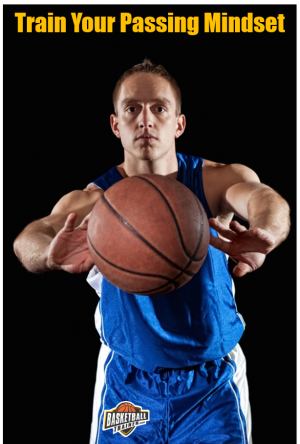
The Importance of Passing

May 29, 2014 By basketballtrainer

The Importance Of Passing In Basketball

Passing is an area not as heavily addressed as we think it should be in youth basketball. I personally didn’t learn the value of passing until college, where we spent dedicated time each practice working on passing. The guys on my team were standout players in high school and future pros, but we were in practice doing things you might see kids at a summer camp do. If passing was that important to a college coach, shouldn’t it be important to youth basketball players? Passing is a skill that must be developed with practice, quality coaching and quality training, but here are some reasons that passing is important in the game of basketball. Maybe after reading you’ll ask your trainer to begin developing you as a passer, so you can develop into the best player you can possibly be.

The Importance of Passing in Basketball:

  • Passing is the language of teamwork. The ball is the most precious thing in the game, so delivering that ball safely to teammates is very important. The delivery of the ball safely to teammates can be as precious as delivering a message to a loved one outside of the court. Passing is the way we connect to our teammates in basketball as spoken language is the way we connect with others in life. With good basketball communication (passing), a good team cannot stand. But with it, a team can thrive on the offensive end.
  • Good passing leads to easy buckets. The easiest way for a team to score is not to have a player make the greatest dribble move or make an outstanding post move, although those things are great. Arguably the easiest way to score is for a player to find an open teammate with a pass. Now a teammate can get open when his defender helps on a drive or a post move, but a good pass can turn that sequence into two easy points via the assist.
  • Passing makes offense easier. Teams that pass well, like the San Antonio Spurs in the NBA, have an advantage over defenses because of their passing ability. When the ball moves quickly and frequently, the defense has to move as well. When a team has 5 capable passers on the floor, the ball can move until an opening is found because the defense did not rotate well or quickly enough. The Spurs use their passing to eventually get open 3 point shots. Youth basketball teams can use team passing as an effective weapon against zone defenses.
  • Passing can make up for deficiencies in other areas. Players who are great passers can stay on the floor because of this one quality alone. Former NBA player Mark Jackson was able to play professionally for 17 years because he had standout court vision and passing ability. He was not considered a great athlete by NBA standards. Current NBA players Steve Nash and Andre Miller are examples of players extending their careers because they possess elite passing ability. Remember that a basketball on the move is the fastest moving thing on the court – it is faster than any player. So if you can control it well with passing, you can make up for a lack of athletic quickness or speed.
  • Without passing, basketball would be an individual sport. Passing is a big part of what allows for 5 players to play as a unit offensively and defeat a more individually talented opposition. Passing, along with screening and cutting, are the three tools that allow 5 players to play “bigger than the sum of their parts”. Teams that understand this give themselves a shot to win against anybody they’re up against.

Train your game to place appropriate importance on your basketball passing.

Filed Under: Basketball Trainer Blog Tagged With: basketball training tips

Maya Angelou Quotes To Inspire Basketball Players

May 29, 2014 By basketballtrainer

People of the world often look to athletes and coaches for inspirational basketball quotations they can apply to their lives outside sports.  The BasketballTrainer.com team believes inspiration is all around us – both on and off the court.  We also believe basketball is not life; but rather it can be a tool to help us learn how to fulfill our lives with a sense of passion, purpose, and power.  Maya Angelou and her work have been an American Treasure and we thought we should share her wisdom with our players, coaches and basketball trainers.  So let’s bring some “real world” wisdom into our world of sports and flip the inspiration funnel.  Please feel free to share this infographic on your site and with your social contacts.  Enjoy!

Maya Angelou Quotes To Inspire Basketball Players

Embed Maya Angelou Quotes To Inspire Basketball Players Infographic on Your Site: Copy and Paste the Code Below

Filed Under: Basketball Player Development, Basketball Trainer Blog, blog Tagged With: Basketball quotes

Leave The Basketball Refs Alone

May 27, 2014 By basketballtrainer

Leave the Basketball Refs alone

Leave the Refs Alone!

Youth basketball players must learn to leave the referees alone.

Somehow complaining verbally, making faces and hand gestures, and even talking back to referees in response to calls has become a part of youth basketball culture. On top of that, players are now deciding to emulate some NBA players by flopping and baiting referees to make foul calls. These practices do much more harm than good, and they should not be a part of your game as a youth basketball player. Although you may not be able to change those around you, you can make the quality decision to stop complaining and flopping today. Here are the reasons to stop complaining and stop flopping, i.e. to leave the refs alone.

Reasons to Stop Complaining

• Complaining is disrespectful plain and simple. Are you going to be able to aggressively complain to your future boss every time he makes a decision you don’t like? No. Or if you do, you may not keep your job for long or leave the door open for promotion and future success. So get in the habit now of respecting the decisions of those in authority over you, even if you don’t agree 100% of the time.
• Referees are human. If you are constantly complaining about calls you don’t get or calls made against you, are you going to get the benefit of the doubt from the ref later in the game? With a lot of refs the answer is no. On the contrary, you may get on a referee’s bad side and create an officiating bias against you, even if it is an unconscious one.
• You risk the chance of a drawing a technical foul when you complain. In youth basketball this means 2 free throws and possession for the other team. In a close game, this is a huge difference maker. Also a technical foul puts you a step closer to being disqualified from the game, whether that comes via ejection or fouling out.
• You start worrying about the refs instead of the opposing team. When you become a complainer, you began to put some of the responsibility of winning and losing on the referees. When you feel like you don’t have control on the basketball court, you begin to get disheartened and may not give full effort for your team. I’ve seen this happen plenty of times. Stay focused on beating the opposition, even if the refereeing IS poor. You can overcome poor refereeing with your play. You can’t overcome a lack of focus or a defeated attitude.
• You give up points in transition. Players who stop to complain about getting fouled spend a second or two complaining to refs and don’t get back immediately on defense. That second or two is all the advantage the opposing team needs to get an easier transition basket.

Reasons to Stop Flopping

• It’s dishonest. Players who flop to draw foul calls are violating the integrity of the game. Integrity is something that players need on the court and in their lives. You should not get in the habit of violating your integrity to gain an advantage, as in many areas of life that can get you into real trouble.
• You leave your success in the hands of the referees. When you are looking for the whistle you are walking by faith in something you can’t control. You want to be in complete control of your game on the basketball court. Leaving YOUR success in the hands of anybody else on the basketball court is essentially weakness.
• Flopping takes energy. And flopping is misdirected energy. It takes work to “create” a foul when there is none there. Players who flop are not using all the energy they can to score a basket, even when the potential to score is there.
• Flopping creates the potential for a turnover or score. What happens when you try to sell a foul call and you don’t get it? More often than not, a turnover is created. This happens when you let the ball drop to the ground while you are acting out exaggerated contact, or the ball sails out of bounds while you are flailing your arms in the air. Flopping is a risky proposition; if you don’t get the foul call, bad things usually happen. On the defensive end, a flop to sell a charge that is not whistled can result in a clear path to the lane for the man you are guarding.
• Have you ever read the Boy Who Cried Wolf? If you are in the habit of trying to sell a foul when it is not there, you are at risk of not getting the call when it is there. When a referee begins to look at your reactions skeptically, you lose the benefit of the doubt when it is not 100% clear to him if you were fouled or not. This can hurt you late in games when you actually are fouled and it is not called. We see this happen frequently at the pro level.

Young players, stop complaining. And stop flopping. It is hurting youth basketball and it is hurting you as an individual. Remain strong in your effort to score the basketball and continue to give full defensive effort on the other end. If you do these things, not only do you build positive habits for yourself, but you remain in control of your success and you make the world of youth basketball a much better place.

Filed Under: Basketball Trainer Blog Tagged With: basketball mental training

How Do You Handle Basketball Criticism?

May 26, 2014 By basketballtrainer

Tips On Handling Basketball Criticism A big part of the growth and development process for players is getting critical feedback from a team coach or basketball trainer. It is sometimes hard for players to accept criticism, but without it they are limiting their potential. We don’t want you to fall into the trap of rejecting or reacting strongly against criticism, so here are some tips on how to accept and grow from criticism.

Four Tips To Handle Basketball Criticism

1.  Delay Your Response

Criticism can be very hard to hear. It can shock you. It can hurt. And it can make you angry. Criticism can even rob you of the confidence you’ve built in a certain skill you’ve developed, or on your overall ability as a basketball player. A natural, human reaction to criticism is to lash out at the person giving it to you, or to instantly defend yourself against it. Try delaying your response to the criticism, as this will do a couple of things for you. First, it will give you time to ponder what your coach or trainer is saying to see if it is true. After the initial hurt or anger wears away, did the criticism have any merit? Sometimes with a little time to reflect you may see that it does. Secondly, if a response to the criticism is warranted, a delayed response will allow you to respond without anger. Although you may very well want to express a feeling of anger towards the giver of criticism, that anger may cloud the clarity of the message you want to get across.

2.  Ask Questions

Nobody has a perfect command of the English (or any other) language. Maybe your coach is meaning to say one thing, but you are hearing another thing because of how it is communicated. When it comes to criticism, this can happen often. Ask your coach or trainer questions about things you don’t understand or may not agree with. This may give your coach or trainer the opportunity to give examples that can help you see what he is saying, or it may give him an opportunity to change the wording of the criticism such that you can understand it better. Players who deeply care about their development may also ask “how can I improve in this area”, turning the conversation from a hard one to one that ends emotionally positive for the player.

3.  Get a Second Opinion

Getting a second or third opinion on a coach’s or trainer’s criticism can be helpful for you as a player. This does not mean to go find someone who is going to tell you that your coach doesn’t know what in the world he’s talking about. It means finding a trusted buddy, a parent, or other knowledgeable basketball person and asking them, “Hey, my coach said [fill in the blank] to me. Do you know why he would say that? Do you see it like that?” Sometimes hearing the same criticism from a different source can help you accept it better. Also, if you are receiving criticism that you simply don’t agree with and can’t understand, maybe hearing someone else validate your feelings can be helpful for you. If you are receiving criticism you don’t agree with, you can simply have a later conversation with your trainer or coach, and ask questions about why it was given.

4. Consider the Basketball Source Consider the Source

From the outside looking in, you may understand the value of constructive criticism. But when you are receiving it, criticism may not seem so constructive. And it actually may not be constructive in delivery. For that reason, try considering the source. If you have a coach who you believe both knows the game of basketball and wants what’s best for you as a player, you might be very well be able to trust his intentions. If he gives you criticism that hurts you on delivery, it is likely for your good and will help you in the long run. If you have a coach who is tough and hard nosed but good at heart, you might assume the same. Maybe the delivery wasn’t optimal, but you can see the good in it. However if you have a coach you do not trust, criticism can feel like a personal attack and you might want to disregard it. But the aforementioned tips may help you deal with this. Even if the criticism is not given constructively, you may still take the message and grow from it. Mature players learn how to do this because they know that every team coach they have may not be on their side. For instance if a coach tells you, “I’m not going to play you because you’re the worst shooter on this team. I would hate to have to ever put you in the game” you can internalize a response like “okay, I may not be in a good situation on this team, but I know I can work on my shooting. That will help me in the future whether it’s with this team or not.” Negative criticism has actually fueled the fire of many a great player as they have looked to prove doubters wrong. You can do the same thing with the negative criticism you receive. Criticism is a critical part of youth basketball, player development and life in general.

Learn how to deal with and accept criticism to better yourself as a basketball player. Whether it is given constructively or not, we’ve given you methods here to either validate or qualify criticism, understand criticism, as well as considering using some negative criticism for your own good. Take everything in stride, and don’t let any piece of criticism steal your love for and drive in the game. Allow criticism to be one of the things that helps you become great in this great game of basketball!

Filed Under: Basketball Trainer Blog Tagged With: basketball mental training, basketball training

Basketball Psychology Cheat Sheet

May 25, 2014 By basketballtrainer

Grow Your Basketball Game Psychologically

Tips for Psychological Growth

Basketball training works. When you’re dealing with a quality professional basketball trainer, you’re not dealing with someone who is just going to take your money because he has a decent playing or coaching resume. We can tell you stories for days of the players we’ve worked with and how they’ve achieved increased success back with their school or club teams. When we work with a player, we truly help them develop. But part of that development is, and must be, psychological. That means taking those new skills and concepts you’ve learned in training and implementing them back in your home basketball environment, where your reputation may be that of a lesser player. Players who improve must break through the mental hurdles of how they perceive themselves, and how others perceive them, to truly function as the players they’ve developed into via training. That being the case, here are some tips for psychological growth.

Personal Perception Tips 

Get It In Writing. Your basketball trainer is probably already vocally recognizing and affirming your basketball development, but ask him to put it in writing. Ask your trainer to rate you on a scale in various areas and to give you a general scouting report. Seeing positive things about you written down can do wonders for the psyche, and it is something you can revisit often to give yourself a boost.

Challenge Players in Your Area. Challenging players in your area in pickup games, or in 1-on-1 games is a good way to test yourself and flex your muscle. Performing well against players in your normal playing environment will really build your confidence. In your head you may not be “better” than these players until you prove it to yourself by playing against them again.

Play Basketball Outside of Your Normal Area. If you’re not fully comfortable with challenging other good players in your area, take this step first. Go outside of your normal playing area to a place where nobody really knows you. You don’t have to go by yourself; you can go with a friend. Showcase your new skills in this pickup or rec league environment to really start feeling what it’s like to be an improved, more skilled and more aggressive player. Being around people who don’t have a previous perception of you will make it easier for them to accept you as the new player you are, and the acceptance here can help you accept your improved self as well.

Outside Perception Tips

Go On a Challenge Tour. Challenging players around you is good for your outside perception as well. Identify some of the key guys in your area – guys who are the leaders of the school team, the social leaders, and the good players who play your position and challenge them outside of the confines of team practice. If you can generate respect from key players by playing them hard or defeating them in a 1-on-1 or pickup setting, they will spread the word about your new status as an improved player.

Perform In Front Of Your Coach. If it’s tough for you to gain respect from players around you, make an effort to perform in front of your coach. This could be in a gym period at school, at an open gym session after school, or just shooting around when he is in the gym. If you can catch the coach’s eye and make him realize that you’ve improved, he can be one of the most powerful advocates you can have. Since coaches have power on teams, even if your teammates haven’t caught on yet, the coach can do things like change your position or run new plays for you, almost forcing your teammates and other observers to look at you differently.

These are just a couple of tips to help change the personal and outside perception of you as a basketball player. Don’t let your mental hold you back while you develop your skills and understanding of the game. Get with your trainer to aid you with the psychological process of becoming a better basketball player inside and out. We can’t to see you moving and playing like a brand new player.

Filed Under: Basketball Parenting, Basketball Player Development, Basketball Trainer Blog, blog Tagged With: basketball training tips

Three Underutilized Basketball Scoring Methods

May 24, 2014 By basketballtrainer

3 Underutilized Methods of Scoring The Basketball

3 Underutilized Ways to Score the Basketball

Everyone loves to score. It’s the most fun part of the game for many. And since the team with the most points wins 100% of the time, scoring is at the core of what competitive basketball is. When players score points, they feel good about themselves because they are helping their team win. And frankly, it just feels good to put the ball in the basket. While a lot of us would love to be 20 point per game scorers, scoring is not always easy. That being the case, players need to learn how to score and help their teams in various ways. Here are 3 underrated ways to score the basketball.

1. Setting Screens

When you think about screening, you might naturally think about one player sacrificing his body to help his teammate get open. But smart players know that screening does more than that, and that setting a screen is a great way for the player who screens to get open. The reason for this is that when you set a screen, the defense has to figure out how they’re going to defend the two offensive players involved. This requires good communication and quick decision making between the defenders. In many cases, the time it takes for the defense to figure out what to do is time enough for you the screener to make a strong play for the basketball. After setting an off-ball screen, the screener can make a cut to the rim for a layup or a flash to the ball for a potential catch-and-shoot or catch-and-drive opportunity. After setting an on-ball screen, the screener can make a hard roll to the rim for a finish at the basket or pop to the side for a catch-and-shoot opportunity. Smart players know that setting screens can get them easy scoring opportunities in one of these ways.

2. Beating Your Man up the Floor

This sounds simple, but do you know a lot of players who put this into practice? There are probably not as many as you would think who are doing this effectively. When you beat the player defending you down the floor on a change of possession from defense to offense, you can get easy shot or layup opportunities. This can happen off either a made or a missed basket. On a missed basket, the big man who did not secure the rebound can “run the pipe” to get up the middle of the floor quickly. If he beats his defender up the floor, he can receive a pass from a teammate for an easy layup. This is one of the reasons why big men who run the floor are so valuable. These are easy points to get, but they require hustle. Guards and wings who run the floor hard and wide during the fast break can get layup opportunities as they cut in towards the basket and look to receive a good pass from the ball handler. And outside of the fast break, the simple practice of beating the defender down the court can lead to pass-ahead wing and corner three point shots for guards and wings.

 3. Offensive Rebounding

This can really pay off for players of all positions. An offensive rebound is a rebound secured on a shot at your basket, shot by someone on your team. Coaches love offensive rebounds because it extends offensive possessions for their team and usually leads to another shot attempt. Players who secure offensive rebounds many times have free license to shoot the ball, especially if the rebound is secured in the paint. If you really want a shot opportunity that your coach won’t be mad at, go grab an offensive rebound. When you shoot the ball afterwards, remember that it’s a free possession for your team, so it’s like a bonus shot. Also, shots taken off of offensive rebounds are usually high percentage looks because of the proximity to the rim and the position of the defense. I recommend big men having a goal of grabbing three offensive rebounds per game, and guards and wings grabbing at least 1. And as you’re fighting for these, remember that these are like your golden ticket for another shot attempt.

Scoring is a beautiful thing. It’s fun for individuals and it helps teams win. Put some of these habits into practice the next time you’re playing and see the positive results. If you need help developing and refining some of these skills, contact your local basketball trainer. We can help you find one that would love to help you. Have fun scoring!

Filed Under: Basketball Trainer Blog Tagged With: basketball training tips

5 Basketball Shooting Must Haves

May 23, 2014 By basketballtrainer

Basketball Shooting Must Haves

What Qualities Must A Shooter Have?

Are you a shooter? Do you want to be a game shooter? Well, here are 5 must-have qualities you must train to develop.

 1. The ability to make shots!

This sounds silly because it is so obvious, but the ability to make shots in games is a must-have for shooters. I’ve heard a coach say “There’s nothing worse than a shooter who can’t shoot.” If you’re a shooter, your job is to not only make shots, but to carry at all times the threat of making shots on your person to space the floor for your team’s offense. If you can’t make shots in games, you’re hurting your team in two ways; your team misses out on points when you miss, and the opposition can play a more compact team defense against your team. Players who want to be shooters should practice shooting in game situations, while fatigued and in high intensity situations. Shooters should also know their range so they know from what distance their shooting opportunities should come in games.

 2. The ability to catch and shoot.

Catching and shooting means being ready to shoot as soon as you catch a pass from your teammate. No dribbles. No getting your hands and feet together after you catch the ball. Your hands and feet must already be ready on the catch. If you’re a shooter, the defense knows you’re a shooter, and they will rarely leave you open. If you do find yourself open, it won’t be for long. You need to be able to capitalize in the limited amount of time you have an open window to shoot.

 3. The ability to use screens.

Shooters have to be able to get themselves open via straight cuts, curl cuts and fade cuts off of screens. If you’re a shooter who cannot effectively use off-ball screens, you are truly at the mercy of a ball handler to get you an open shot. Los Angeles Clippers guard JJ Redick and Atlanta Hawks guard Kyle Korver are NBA shooters who use screens well to get open. Using off-ball screens well takes practice, as you must catch and get into your shot quickly without traveling. But once you’ve got this, you can use the threat of you shooting to get your screening teammate a good shot as well.

 4. The ability to understand spacing.

Shooters must understand spacing to be truly effective. When a teammate is driving, a shooter needs to know how to drift down into the corner or up towards the wing to be in position for a great kick-out pass. Shooters also need to know how to move off of post entry passes, as this can be another way they get open for shots. Shooters who don’t understand spacing bring over an extra defender to double a driving or posting teammate, or they clog driving lanes altogether. These are not good things. Shooters must understand spacing.

 5. The ability to make contested shots.

Remember that as a shooter, the defense has tabs on you. When you are able to get free, defenders will close out and contest hard on you. A real shooter understands that he will get only a handful of really open shots, and that he must be comfortable shooting with a hand in his face. If you are a shooter and only shoot when you are “wide” open, you are not capitalizing on all the opportunities that are there, and you could be hurting your team. When you do shoot those contested shots, you still have to convert them at a decent percentage. Making contested shots takes practice, so spend the necessary practice time developing this skill

Shooting  is a scientific art form, and shooters know these five things are important for them to be effective weapons in games. To develop your shooting artform, contact your local basketball trainer today. We look forward to seeing you knocking down big shots for your team.

Filed Under: Basketball Trainer Blog Tagged With: basketball shooting

How To Get Out Of Your Basketball Funk

May 22, 2014 By basketballtrainer

Get Out of Your Basketball RutHow to Get out of a Basketball Funk

If you’ve been playing organized basketball for a while, you’ve probably been through periods where you’re not playing so well. It can be for a quarter, a half, an entire game, or a couple of games. These things happen from time to time. We call these periods “funks” or “shooting slumps”, as we’re usually talking about performance on the offensive end. While a slump can be hard to shake off for youth basketball players, here are some things you can do to help.

Get to the Free Throw Line

When your shot is not falling from the outside, and you also seem to be missing finishes you usually makes at the rim, one of the best things you can do is get to the free throw line. This means getting fouled of course. The best way to get to the free line is to drive hard to the basket and brace for contact as you attempt to score at the rim. After you’re fouled, you get to take a moment to relax and shoot a couple of uncontested shots at the line. Shooting free throws is good for getting out of a slump because it’s a chance for you to see the ball go through the rim. Seeing the ball go through the basket is good for your psyche and can restore a little bit of shooting confidence.

Hit the Boards

Players who are struggling to score can look to get some high percentage opportunities off of rebounds. On the offensive end, snagging a board right in the lane might give you an opportunity for a putback at the rim. Seeing that ball go through the net will help you. On the defensive end, you can get a good opportunity as well. When you get a rebound, try pushing the ball up the court aggressively for the coast-to-coast layup opportunity. You can catch defenses off guard a lot of times and get a less-contested shot at the rim. If you don’t make the shot and instead get fouled, there is still the opportunity to see the ball go through the rim at the free throw line.

 Get Out in Transition

The highest percentage shot in the game is the layup. Or for those who are able to do it, the dunk. And the best time to get yourself an uncontested layup or dunk is on the fast break. For this reason getting out in transition is one of the best ways to get an easy score and get yourself going. When you see a teammate grab a defensive rebound, turn and sprint up the floor towards your team’s basket. Even if you don’t have other teammates running with you on the other wing, if you beat the man defending you up the floor you might get a long pass that leads you right into a layup. The transition layup might be just the thing you need to help you break out of your funk.

If you’re in an offensive slump or funk, these are some of the things you can use to get yourself going. If your slump is caused by you playing against a new higher level of competition and you’re having trouble keeping up, you may need some skill development. Either way, contact a local trainer to help you develop some skills and know-how. We can’t wait to see consistently performing on the offensive end.


Filed Under: Basketball Trainer Blog Tagged With: basketball training tips

Train To Win In Basketball – 4 Cornerstones

May 21, 2014 By basketballtrainer

Cornerstones of Winning Basketball Training

4 Cornerstones of Training To Win In Basketball

Basketball is a fun game… training to win requires higher focus and work ethic within the fun framework.   It allows for so much creativity and a showcase of various skills. But basketball is also a competitive sport, one that pits two teams against each other to determine a clear winner. The beauty of the game is merging talent, skills and teamwork together to gain a victory over the other team. That being said, the game is won and lost on more than just skills. Here are some tips for being a winning basketball player every time you play.

Take Pride in Your Basketball Performance

This is something kids playing youth basketball all need to learn. Although you should truly be loose and free playing the game, know that how you perform while on the floor affects the outcome of the game. So you need to take pride in how you perform. Personal pride in your own performance can have more affect on your game than a coach’s instructions. For example, if the man you are guarding has scored on you a couple of times in a row, personal pride is going to make sure you start locking in, giving a greater effort and playing more soundly the next time he tries to score on you. This sense of personal pride will carry more weight to you than your coach barking instructions to you from the sidelines. And this type of attitude breeds winning. On the other hand, a player with no personal pride would not make the necessary effort to tighten up on defense no matter how much the coach instructs him to do so. A player like this is not playing winning basketball.

 Don’t Be Discouraged In Training or Games

Youth basketball games range anywhere from 24-40 minutes in duration. That’s a long time running, jumping, shooting and rebounding. There are ebbs and slows throughout the game. If things are not going well at a certain point, do not get discouraged. There’s still time on the clock to turn it around because the game is not over until the final buzzer sounds. This can be hard for young players to understand, as sometimes getting scored on a couple of times or missing a couple of shots can cause them to lose confidence. But keep fighting. There have been so many epic comebacks in the game of basketball because a team kept fighting and believing. And remember, if you are playing discouraged basketball, you are doing the other team’s work for them. Don’t help them in their cause to beat you down. Keep putting pressure on the other team by fighting until the final buzzer.

Be Selfless As A Basketball Teammate

Selfless players and teams are winning players and teams. Selfish players do things that hinder winning. Being selfless means doing little things like passing to the open man and encouraging teammates. After all, if the goal is winning you want your teammates to stay encouraged the entire game. Passing to an open teammate when you feel like you want to try to score may cause you to lose out on a shot attempt, but winning players don’t let personal stats get in the way of team success. In actuality good stats have a funny way of following winning players.

Be Fearless on the Basketball Court

An important aspect of winning in basketball competition is being fearless. You don’t want to be the type of player who looks good in practices and drills, but when it comes to games you all of a sudden freeze up. If you’re known as a shooter, in games your team needs you to shoot. If you’re a good driver and scorer, in games your team needs that from you. In competitive basketball, you can’t consistently win if you’re not giving it your all. You can practice being fearless by being aggressive at the beginning of games when you are nervous. Eventually the nerves will go away and you can focus on using your skills and talent to help your team win. Being fearless is VERY important in winning basketball, so learn to develop this quality now.

Competition, whether it is in basketball or anything else, is about playing to win. Along with developing your physical skills, work on developing a winning attitude towards the game of basketball. That includes implementing the tips here, along with some others. Get with your local basketball trainer today to help you with that development. We can’t wait to see you out there playing to win using the 4 cornerstones of winning basketball training.


Filed Under: Basketball Trainer Blog Tagged With: basketball training

Top 5 Reasons To Become A Basketball Trainer

May 19, 2014 By basketballtrainer

become a basketball trainer

Top 5 Reasons to Become a Basketball Trainer

Being a basketball trainer has many benefits especially for former players or coaches that want to build a new basketball career. Individuals that poses extensive knowledge about teaching the game of basketball and have experience developing individual players don’t just have to be coaches or volunteer their services part time. Many coaches get burnt out because of all the off the court responsibilities that come with the job. This article should lay out why you shouldn’t limit yourself to being stuck in the mindset of traditional basketball coaching. Here are five reasons why you might want to think about becoming a basketball trainer.

  1. Being a basketball trainer allows you to stay in the sport you love and help young basketball players achieve their goals. To become a legitimate basketball trainer you have to have a wealth of knowledge relating to the game. Sharing this information with young athletes can help reach their goals and have opportunities that may have been a struggle for you
  2.  You get to help young athletes improve their game and succeed on the court without all of the time and commitment that traditional coaches are required to commit to. You get to set your own schedule and train when you want to train. Plus by only seeing a player 2-3 times a week your voice doesn’t get stale in their heads. This allows you to be more affective and help players see quicker results. Also there is usually tension between coaches and parents. As a basketball trainer you will get much more positive response from parents because you won’t be limiting their kids playing time you will be helping them earn more!
  3. You can make a basketball training career doing what you want! There isn’t anything more satisfying than being self-employed and getting to do what you want every day at “work” if you want to call it that. You get to run your training, camps, and program the way you think it should be done while putting your own personal stamp on the game.
  4. You will have more opportunities to enjoy the game and improve as an instructor throughout the year. Your off season is basketballs in season. So when all the kids you train are playing in games you will have the time to travel and attend their games. You will still be training or doing “tune ups” and clinics throughout the season so don’t let that worry you. You will also have time to fine tune your teaching points and develop new curriculum for your players.
  5. Finally you get to be in a gym with basketball shorts on every day you work. In our opinion it doesn’t get much better than that.

Infinite Reasons To Become a Basketball Trainer

There are many more reasons to become a basketball trainer but these are the main reasons that you should think about modifying your career path. Also understand basketball training isn’t just hanging out on the court all day there is a lot other work needed to put in to get the clients filling up your schedule. Basketball trainer can help with this process and give you more time to plan workouts and be in the gym.  Claim your bassketball trainer listing today to connect with ambitious young basketball players.

Filed Under: Basketball Trainer Blog Tagged With: become a basketball trainer

Don Meyer Quotes Infographic

May 18, 2014 By basketballtrainer

The team here at Basketballtrainer.com are big fans of Coach Don Meyer and wanted to share some of his knowledge with the players we train and the coaches we work with.  We are so thankful for his work, his life and all that he shared.

For more inspiration from many great minds, check out this link from the Coaching Toolbox website:  Basketball Quotes


Don Meyer Infographic Quotes

Share this Image On Your Site

Filed Under: Basketball Trainer Blog Tagged With: Basketball quotes

Don Meyer – A Basketball Angel

May 18, 2014 By basketballtrainer

Meyer_DonThe Meyer family just announced we have lost a legend of basketball today and that Heaven has gained a basketball angel.  I have followed Coach Meyer for several years and am so thankful for his sharing of his teaching online. His teaching focused on both basketball and life lessons.  The list of accolades Coach Meyer has is long including the second winningest basketball Coach in NCAA history.

Coach Meyer chose to remain at the Division 2 level so he could focus more on teaching and sharing and less on the business of basketball necessary at Division 1.  Fame was not his favorite “F” word.  Faith, Family and Friends were his favorite “F” words.

Yesterday my 6 year old daughter asked me if I was famous.  My wife and I both laughed.  To my six year old she sees basketball training clients, coaches and assorted other basketball people stop me at the supermarket etc. and I guess she thinks this makes me famous.  I tried to politely explain that being famous was neither good nor bad, that the key was to deliver value to other human beings around you regardless of what notoriety it might bring.  I explained that if our basketball training delivers value to young people in building confidence on and off the court, then supermarket fame was okay.  She understood my goal is not to become Miley Cyrus famous.

Many people can explain these concepts to their six year old… but few can model this behavior like Coach Don Meyer did.  Thank you Coach Meyer!

Please check out Coach Meyer’s website at http://coachmeyer.com/ for more resources on basketball and life.  I strongly encourage you to watch Coach Meyer’s speech in the below video as he spoke at the Espys.

You may also want to check out our Coach Don Meyer Quotes Infographic.

Filed Under: Basketball Trainer Blog Tagged With: Don Meyer

Basketball Training Frequently Asked Questions

May 18, 2014 By basketballtrainer

Basketball Training Frequently Asked Questions

Basketball Training Frequently Asked Questions

There are a lot of questions out there about basketball training, so I decided to take some time out to answer some common ones. Hopefully this will clear up some misconceptions and give you a clearer picture about professional basketball training.

Q: Is my son or daughter good enough for basketball training?

A: Yes. Basketball training is not only for the elite. There are certain trainers that cater to elite players, but that is by no means the case for all trainers. You can find a basketball trainer to work with your son or daughter no matter his or her skill level. Basketball training is designed to build fundamental skills as well as advanced ones, so training is beneficial for beginner or limited players as well as advanced or experienced players. If your son or daughter is a new or limited player, that is no problem.

 Q: Are basketball training sessions any different than team practices?

A: Yes. Team practices primarily focus on developing team execution and chemistry, while basketball training sessions focus on individual player growth and development. Basketball training can supplement team practices, as your young player becoming a better individual player helps him to be more of an asset to his team. When you take your young player to a basketball training session, he is given personalized attention that is designed to help him maximize his individual basketball potential.

Q: Is basketball training expensive?

A: The price of basketball training depends on the trainer, but quality basketball training is a professional service. That being the case, when you are working with a good trainer the price of training should not outweigh the delivered benefit. In relative terms, the cost of basketball training is less than the cost associated with AAU basketball when measured over the same length of time.

 Q: Why should my son or daughter attend basketball training?

A: Well, there are a lot of reasons I can give. But in general, if your son or daughter is playing organized basketball, basketball training can enhance that experience by helping him or her develop into a better player. They might end up with a cool story like this.

 Q: What makes somebody qualified to be a professional basketball trainer?

A: A good basketball trainer will possess certain must-have qualities. But in addition to those, YOU have the power to qualify the basketball trainer that will train your son or daughter by checking out the provided playing and coaching resume, and checking training references. The power is in your hand to determine who the best basketball trainer is for your young player.

Q: Can a trainer make my son or daughter good enough to…?

A: A basketball trainer’s job is to develop players to the best of his ability. There are certain qualities a trainer must have, as well as certain qualities a trainee must bring to the table, to get the most out of player development training. A trainer should not be guaranteeing lofty results for your player sight unseen. Any trainer doing so may not be able to deliver on these promises. After a proper evaluation and a buy-in from the trainee to the training process, a good trainer may be able to answer this question more specifically.

I hope this has cleared up some of the misinformation out there about basketball training and basketball trainers. To learn more, and to possibly get the ball rolling with a trainer today, let us help you find a good trainer in your area. Thanks!


Filed Under: Basketball Trainer Blog Tagged With: basketball training

Basketball Trainer Success Story

May 17, 2014 By basketballtrainer

Basketball Trainer Success Story

 My Basketball Trainer Success Story

As a basketball trainer, I get the chance to impact the basketball journeys of a number of kids every week.  The successes I and my training partners experience with young players are normally shared with our players and their parents, but I wanted to take the time out to share a recent basketball training success story.  Here is the story of Lucas.

I met Lucas a little over a year ago.  He was referred to me by another young player I was training at the time.  Lucas stepped into the gym as an impressive looking physical specimen for a 7th grader.  He was about 5’10” tall and seemed to be a physically strong athlete.  His father let me know he was a pretty decent lineman/linebacker in football at his school.

Now anytime you see a 5’10” 7th grader you automatically assume that his height would allow him to make the basketball team.  But Lucas decided to try out basketball training because he did not make his school team – not the A team or the B team.  The first night of training we threw Lucas in there with some other kids his age for a warm-up scrimmage.  He showed pretty good athleticism by rebounding and blocking a couple of shots.  But in the individual evaluation after the instruction it became clear that Lucas couldn’t consistently make a layup with either hand, and when he did make layups with his dominant hand, he was jumping off of the wrong foot.

By the end of the initial training session, Lucas was executing the proper footwork and technique to consistently make a strong-hand layup.  Soon thereafter he was consistently making them with his weak hand as well.  Lucas had never played organized basketball before basketball training, so his father and I devised a dedicated plan to help him to “catch up” with his contemporaries and put him in position to make his school team as an 8th grader.  Lucas became a faithful trainee for the next few of months, coming to training sessions 2 or 3 times per week during that time.  The bright side to Lucas having no previous basketball experience was that he came in with a humble attitude and soaked up instruction like a sponge.  He didn’t spend time fighting me about some of the hard-to-let-go bad habits he had picked up, because he had none.  He also understood the value of working on his game at home.  He treated our sessions, in which he would learn new skills and techniques, as the school classroom and he made sure to do his homework at home.  Whereas he would have a tentative grasp on a new concept in a training session, after practicing before and after school during the week, he would come back and tell me “Coach, I’ve been working on this.  I think I’ve got it.”

Mental Basketball Training

Lucas’ confidence grew over the summer (he began training with me in the spring) as he played pickup ball with buddies who were on his school’s basketball team the previous year.  Friends and parents of Lucas’ friends began to take notice of the player Lucas was becoming.  He also joined a local club basketball team to get some game experience under his belt.  Even though he joined the club team, he remained faithful to basketball training and he continued to improve at an impressive rate.  Now, the growth wasn’t all smooth.  Lucas had some up-and-down times as he struggled with confidence and attitude in some areas, as most young players do.  I did my best to work with Lucas on the mental side of the game as well as the skills portion, and overall he was receptive.  We began to attack mental hurdles like what to do when your shot’s not falling, positively receiving constructive criticism, seeing yourself from a coach’s perspective and approaching the game like the best player on the floor.

In the fall, Lucas’ school had a multiple day tryout.  After each day I was on pins and needles as I waited to get the report from Lucas’ father.  At the end of the tryouts and initial week of team practice, Lucas not only made his team – but he made his school’s A Team.  That’s right – he went from no team to the top team.  His willingness to humble himself and submit to basketball training, his willingness to put in the work outside of the training gym, and his commitment to training consistency paid off for him.  Lucas continued to train with me during his basketball season, as he realized two things: basketball practice is not the same as working on and improving your game, and you never want to stop personal player development.  After his school season, Lucas tried out for and was offered a spot on a local club team’s top traveling team for his age.  He actually declined that offer and joined a separate organization that allows him to build chemistry with some of his future HS teammates.  As his ability was growing, so were his opportunities.

Lucas’ story is a great one, and his success is what the basketball training business is all about.  Know that Lucas is not alone is achieving basketball success after initial failure, as basketball success is an option for anyone willing to commit to it.  We’d love to help you to have a story like Lucas’, so contact us today to get your very own basketball success story rolling!

 Chris Price

Austin Basketball Trainer

Filed Under: Basketball Trainer Blog

Do I Need a Basketball Trainer?

May 16, 2014 By basketballtrainer

Do I Need A Basketball Trainer

Do I need a basketball trainer?

This seems like a pretty simple question.  As a basketball trainer by trade, I am tempted to tell you yes and list the reasons why.  However, let’s address this on a case-by-case basis.


 “I’m a 10 year old and love to play basketball with my friends at the park.  I play organized football and soccer, but don’t play organized basketball.” 

Young players who aren’t playing organized basketball don’t need a basketball trainer.  If you’re just having fun with your friends, no coaching needed!


“I’m a 10 year old and love to play basketball with my friends.  I’ve never played organized basketball before, but I think I want to tryout for my school team in the 7th grade.” 

Yes!  A young player who is looking to play organized basketball can definitely use a basketball trainer.  A trainer can help you build fundamental skills that you may not have another way to build before you tryout for your school team.  You want to be prepared for when those skills and that basic basketball IQ is needed.


“I’m an 8 year old and I just picked up a basketball for the first time with my dad yesterday.  I had a lot of fun!” 

If you’re just being introduced to the game at this age, you may want to have some fun getting familiar with it first.  It may turn out that basketball is something you just do for fun outside of an organized setting.  If you play in your first organized rec season and afterwards have a hunger to get better, then seek out a trainer.  If you spend a lot of time in the driveway shooting, then definitely come see  a trainer so he/she can help you use correct form to begin muscle memory magic.


“I just made my 7th grade team and I’m the best player on my team.  Nobody on my school really challenges me on the basketball court.”

Yes!  Talented 7th graders don’t always ended up being talented high school players, so you always want to keep improving your game.  If you’re the best in your school, expand your horizons.  Are you the best in the district?  In your area?  Being good doesn’t mean you can’t be better.  A good basketball trainer who’s played at higher levels of the game can also push and challenge you the way your school team may not.


“I got cut from my 7th grade team.  I really wanted to make the team, but it turns out I’m not good enough.” 

Yes!  We work with numerous players like this.  If you didn’t make your school team, you are ripe for training.  You may not know how to improve yourself to the point of making it in 8th grade, but a good basketball trainer should be able to help.  We can tell you lots of stories of players not making it one year, then getting with a basketball trainer, improving, and making the team the next year.


“I just got cut after the season of my 10th grade year.  The coach says he doesn’t have a spot for me on the JV or Varsity teams next season.”

Yes!  I’ve actually been there.  When a coach cuts you after a season, it’s because he doesn’t believe in what you can develop into that next fall.  You have the choice of either believing what he says about you or fighting back and improving as a player and teammate.  Sometimes getting cut is the wake-up call a player needs, and it is the perfect time to get with a quality basketball trainer and improve upon all aspects of your game.


“I’ve just received a football scholarship to my dream school.  I’ve enjoyed basketball training up to this point, but I’m done playing.  I’m strictly a football player now.”

Basketball training is generally designed to help you be the best player you can be in an organized basketball setting.  If you’re not longer competing in that setting, by all means give that extra time and energy to something else.  You’ll have fun taking what you’ve learned in basketball training up to that point to be a great recreational basketball player for the rest of your life.


“Coach, I just won District MVP and just got a full basketball scholarship to my dad’s alma mater for the fall.  I made it!”

Yes!  You’ve succeeded at one level and will start on a new journey to succeed at the next one.  You don’t need to stop improving – you actually need to improve more now!  Keep training and never take on the attitude that you already know enough.


“Coach, I just signed my first NBA contract.  This is a dream come true.  Thanks for all you’ve done for me.  I’m in the big leagues now!”

Yes!  The best players in the world still work with basketball trainers.  Kobe Bryant, Kevin Durant, Dwyane Wade, Lebron James and Kyrie Irving are some of the guys who still work with basketball trainers in the offseason.  And yes, they are better players than their trainers ever were, but they never stop learning from and being pushed by them!  Even successful professional players understand the benefit of constant player development.


For the serious basketball player, basketball training gives you a leg up on your considerable competition.  It is almost a must for those wanting to maximize their full potential.  Every player and family has their own budgets and time constraints.  Decisions are absolutely a family matter and this really only serves as a basis for some talking points.

Contact a basketball trainer in your area to get started with basketball training today!

Filed Under: Basketball Trainer Blog Tagged With: do I need a basketball trainer

Basketball Player Development: How To Optimize

May 15, 2014 By basketballtrainer

6 Basketball Trainer Tips

6 Tips to Optimize Player Development

Young players, it’s great that you’ve chosen to get with a basketball trainer.  But make sure you are optimizing that relationship!  You don’t want to waste your precious resources (double entendre, pun intended).  Here are 6 tips to optimizing your player development.

 1. Show Up On Time For Your Basketball Trainer / Practice

This sounds simple, but it can be a real issue in basketball training.  Showing up on time can add 10 quality minutes to your training session.  Showing up on time does not meaning running through the door at 5:59 for a 6:00 session.  Because you still have got to put on or tie your shoes, stretch and get warmed up.  Showing up on time means coming into the gym 10-15 minutes early, getting yourself stretched and warmed up so that you are ready (mentally and physically) for action at the beginning of your session.

 2. Don’t Fight Your Coach or Basketball Trainer

Your coach is there to teach you and mold you, and you are there to learn.  Don’t fight your coach.  The players who show the most improvement in basketball training are those who are open to trying to new things, who listen well and don’t have a problem receiving and reacting to constructive criticism.  Remember, your player development coach is there to help you, not to beat you down.  Trust his expertise and his motivation for being your basketball trainer, and don’t fight him.

 3. Be Consistent About Basketball Training

Ding ding ding!  If you can do this one, you are going to get results.  Don’t treat your basketball training as a luxury item in your basketball growth plan.  Don’t treat it like a dessert.  Think of basketball training as a vital part of your diet, like meat and potatoes.  Players who show up to training on a consistent basis are able to build basketball skills on top of skills.  Players who skip weeks at a time or have sporadic attendance sometimes have to spend time re-learning things and getting rid of bad habits.  It’s simple to think of it like this… If you show up to training consistently, you are going to get consistent results.  If you show up inconsistently, the results will show up the same.

 4. Take Your Basketball Training Beyond the Gym

Think of basketball training sessions as a basketball classroom.  What happens after you leave most classrooms?  You have homework to do.  Think of this the same way.  The players who learn a new skill in a training session and practice it on their own time at home are going to come back with a decent handle on that skill.  The players who don’t pick up a ball between training sessions are going to have slower growth because they are only growing in the handful of ours they are in the training gym.  If you want to get better faster, you’ve got to do your homework on your personal time.  Here is a great resource to bring online basketball training to your driveway.  

 5. Set Basketball Training Goals

Goal setting is very beneficial in basketball development.  In player development, it keeps trainees motivated and enthusiastic.  For this reason, I always want to know when my players have tryouts, whether it is school ball or club ball.  We build towards that date.  If you don’t have a tryout date, set dates on your own to do certain things, like hit a certain amount of 3 pointers in a minute, execute a dribble move in a game or scrimmage, or grab a certain amount of rebounds in a game.  Fresh goals every couple of weeks or months can keep you from getting lethargic and unfocused as a basketball player.

6. Repeat… Dilligently

If you are willing to put these 6 tips into your basketball training and practices, you will be optimizing your experience with your player development trainer and with your basketball development overall.  Contact your local trainer for expert skills training and more tips on how to get the most out of your personal player development.

Filed Under: Basketball Trainer Blog Tagged With: basketball player development

Basketball Trainer vs. Basketball Coach

May 14, 2014 By basketballtrainer

Choose Between Basketball Trainers and Coaches

What does a basketball trainer provide that a basketball coach doesn’t?

That is a great question to ask, and as a parent of two boys (age 4 and 9) about to become basketball players themselves, one that I have thought about for a few years now.  I am a former Professional Basketball Player, a former Division I college coach, and a current NBA scout.  I have seen the good, the bad, and the ugly when it comes to basketball coaches, basketball trainers, and so called “basketball people” as I put it.  I have watched the AAU games all summer long, and watched Middle and High School coaches at work during their seasons.  So let me tell you that your son or daughter should work with a basketball trainer for the following 2.1 reasons.

  1. A basketball coach cares about the entire team more then the individual!

When you are a coach, your main job is to make the team the best it can be.  Working with each player to make them the best they can be is important, but it really doesn’t matter which 7, 8, or 9 kids become the best.  All that matters as a coach is that the best players play in that game to help you win that day.  Many players get limited playing time on AAU teams, Middle School teams, and on High School teams because the coach wants to win today.  The coach isn’t always focused on the long term development of each player.  A Basketball trainer’s only goal is the development of each individual player.

  1. Individual skill development isn’t being taught at practice!

In today’s sporting environment, all kids do is play games.  Even in practice, most of the time is spent on scrimmaging, or concepts, not individual instruction.  Players need to learn the proper techniques of how to dribble, shoot, pass, and rebound the basketball.  Players need to learn the proper footwork techniques on how to shoot a lay-up and how to be ready on the catch.  Players need to learn how to use screens and how to get open.  Players need to learn how to guard their man but still be in helpside defense.  These individual skills can’t always be taught in a team practice setting.  For example, coaches can’t stop practice when they have 10-15 kids on a team every time someone doesn’t use the proper technique in the lay-up line.

       2.1   Youth basketball players are not getting enough shots during practice!

Coaches are working on so many things to get a team ready for games.  They have to work on setting up offensive plays, out of bounds plays under the basket, and sideline out of bounds plays.  They have to work on defensive concepts like man to man, zone, and the full court press.  Coaches also prepare to play the other team and the game strategy to beat an opponent.  Practice ends up being all about the team and very little about the individual.  Not enough time is spent in practice shooting the basketball.  The most important skill in basketball is scoring and putting the ball in the net.  In one 1 hour training session with a basketball trainer kids can get more shots up than a full week of practice in most cases.

When considering if a basketball trainer is right for your son or daughter remember this, “Many experts say that to master a skill it takes 10,000 hours of practice.”  While your kids are actually practicing with their basketball coach, how much skill work is actually getting done?  How much individual attention is really being given to your son or daughter?  If you have a quality basketball trainer who provides individual or small group workouts, I know that those questions will have a much different answer.  Find a basketball trainer here.

Filed Under: Basketball Trainer Blog Tagged With: basketball trainers

  • « Previous Page
  • 1
  • …
  • 11
  • 12
  • 13
  • 14
  • 15
  • Next Page »

WELCOME TO BASKETBALL TRAINER…

your connection to expert & passionate basketball trainers, basketball teams, basketball camps and all basketball products and apps designed to improve your game.  We are committed to your basketball success.

Meet our team and learn more about our mission.  Click here…

Featured Course

basketball course of the week

There are many basketball courses for all skills, ages, budgets and goals.   We help you sift thru all the garbage to find the goals for each of … Learn more...

Featured Drill

 We Hope You Enjoyed The Basketball Trainer Drill of The Month Special Thanks To Friend USC Coach Chris Capko for his excellent teaching and my … Learn more...

Featured Product / App

basketball training apps and products

  Looking for the best basketball training apps? We have all the most popular basketball training apps here. Improve your basketball skills … Learn more...

Have A Basketball Biz?

Our team gathers basketball training resources from basketball trainers and in some cases for basketball trainers and their students.  Stay tuned for … Learn More

  • How It Works
  • Editorial Standards
  • Privacy Policy
  • Terms of Service
  • Contact

© Copyright 2026 Basketball Trainer

Design by BuzzworthyBasketballMarketing.com

Privacy Policy