Chris Bosh has written the Book Letters to A Young Athlete and I wanted to share our book summary because I think he is a good read for our young adult book readers.
As a a former college player, current current basketball trainer, parent of two players and also coach of a select program, I am really happy to see Chris Bosh give back to young people with this book. Chris is a former NBA Champion with the Miami Heat, an NBA All-Star, and a proponent of child development across many platforms including inspiring kids to code. 📖. This book shares valuable insights and experiences of the former NBA star 🌟, guiding young athletes towards success. In this article, I will highlight some of the key points of Letters to A Young Athlete by Chris Bosh by providing specific quotes from the text.
The Importance of Mindset 💭:
“Your mindset can make the difference between success and failure,” emphasizes Bosh. “Believe in yourself and your abilities, and never give up on your dreams.” Develop a positive attitude 😃 and the right mindset for success. “A strong mindset is like a muscle,” Bosh writes. “The more you use it, the stronger it becomes.”
A positive mindset is essential for athletes looking to achieve their goals. Bosh encourages young athletes to visualize success and to stay focused on their goals. “You have to see it to believe it,” he writes. “Visualize yourself succeeding and let that vision drive you forward.” 👀
Dealing with Adversity 🌩️:
“When things get tough, don’t give up,” says Bosh. “Embrace the challenge and use it to become a better athlete and a better person.” View adversity as an opportunity for growth and learning 🌱. “Adversity can teach you to be resilient, to persevere, and to never give up,” Bosh writes.
Adversity is an essential part of the athletic journey. Stay positive and focused on your goals, even when facing challenges. “Don’t let adversity define you,” Bosh writes. “Use it as a stepping stone to success.” 🌟
Balancing Sports and Academics 📚:
“Academics always come first,” Bosh writes. Develop good study habits and prioritize schoolwork. “You can’t neglect your education for sports,” he writes. Find a balance that works for you and communicate with your coaches and teachers to make sure you have enough time for both.” ⚖️
Both academics and sports are essential parts of a young athlete’s life. Prioritize schoolwork, and communicate with coaches and teachers to ensure enough time for both sports and academics. “Communication is key,” Bosh writes. “Make sure you are managing your time effectively and taking care of both your academic and athletic responsibilities.”
The Power of Teamwork 🤝:
“Sports are not just about individual performance; they also involve teamwork and collaboration,” Bosh writes. Emphasize working together and supporting each other as a team. “Teamwork is about sacrificing your own ego for the good of the team,” he writes. “It’s about putting the team first and trusting each other.” 🏆
Teamwork is essential for success in sports. Learn from teammates and be open to feedback and constructive criticism. “You have to trust your teammates,” Bosh writes. “Learn from each other, support each other, and work together towards a common goal.” 👥
The Role of Mentors 👩🏫:
“Find someone who has been where you want to go and learn from them,” advises Bosh. Seek out mentors who can provide guidance and support. “A mentor can give you the wisdom and perspective you need to succeed,” he writes. “They can help you navigate the ups and downs of your athletic journey and provide a sounding board for your ideas and goals.” 🚀
Mentors play a crucial role in an athlete’s development. Seek out mentors who can provide guidance and support. “A mentor can be anyone,” Bosh writes. “It could be a coach, a teacher, a family member, or a friend. The important thing is that you have someone who can give you the guidance and support you need to succeed.” 🌈
The Importance of Rest and Recovery 😴:
“Rest and recovery are just as important as training,” Bosh writes. Take care of your body and get enough rest. “Your body needs time to recover and regenerate,” he writes. “If you don’t take care of yourself, you won’t be able to perform at your best.” 🌟
Rest and recovery are essential for an athlete’s performance. Listen to your body and take time off when needed. “Rest is not a weakness,” Bosh writes. “It’s a necessary part of the training process. Take care of yourself so you can perform at your best.” 💪
The Importance of Preparation 📝:
“Success is not just about talent; it’s also about preparation,” Bosh writes. Preparation and hard work are essential for achieving your goals. “You have to put in the work,” he writes. “There are no shortcuts to success.” 🏅
Preparation is vital for any athlete looking to achieve their goals. Develop good training habits and work hard every day. “If you want to be great, you have to work at it every day,” Bosh writes. “Success is not an accident; it’s the result of hard work and preparation.” 🔥
Conclusion 📚:
In conclusion, “Letters to a Young Athlete” is a practical and inspiring guide for any young athlete looking to achieve their goals. Chris has faced incredible adversity on and off the court… including a serious heart condition that ended his career. Bosh’s advice is based on his own experiences as a successful athlete, making it both practical and inspiring. The book emphasizes the importance of mindset, adversity, academics, teamwork, mentors, rest and recovery, and preparation. By following these key points, young athletes can overcome obstacles and achieve their goals.
Highly Recommend the book for players aged 10 – 16. For those of you who like to hear book review ratings from non-hoopers this book scored as follows:

Want to learn more what the diverse interests of Chris Bosh are? Check out his website at www.ChrisBosh.com.




 By journaling, basketball players can unlock their potential to reach a higher level of performance. By reflecting on games and practices, players can gain valuable insight into their performance and develop a plan for improvement.
 Journaling can be an effective way for basketball players to advance their capabilities and realize their ambitions. By regularly reflecting on their games and practices, players can create an actionable plan that will help them make progress faster.


 I went from adoring girlfriend not really paying attention to the rules and nuances of the game to becoming a superfan and my sports mom title was decidedly shifted to Basketball Mom. Once my girls started playing and I had 3 people in the car rehashing games or sitting on the sofa durning the NBA playoffs giving commentary I began to pay attention. This game became more than my boyfriend’s past time, it became our livelihood and a passion for the 3 people I love most in this world. These are the top 5 things I love about being a Basketball Mom:
 I love the feeling of possibility at the beginning of a season. As parents we are so excited to watch our players come together as a team on the court, but we also slowly come together as a team in the stands. I love getting to know the little brothers and sisters. I love arriving at a tournament and scanning the crowd for my people, who I know will cheer with joy for my kid as I will for theirs.
  The lively conversations that take place as they walk off the court and into the parking lot are my favorite between the players. This is where I get to hear the funny stories about things that happened on the bench or during the game. Where I hear them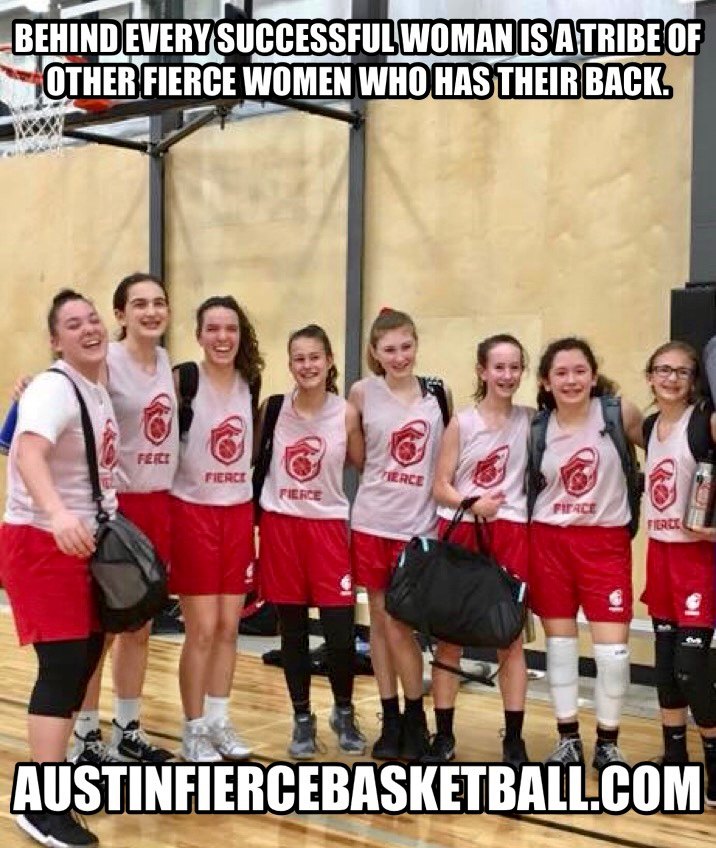
 There are days where the last thing I want to do is stop what I’m doing and hop in the car to drive one or more kids to practice, but the truth is that this time is priceless. I have had the most honest conversations with my kids when we are alone in the car.


 Self-evaluation is the process of assessing your own performance and skills. In basketball, this process involves reflecting on your individual abilities, team dynamics, and overall game strategy. Self-evaluation allows
  The role of coaches in evaluating player performance is to provide feedback that can help players improve their skills and performance. Feedback is essential because it allows players to understand their strengths and weaknesses and identify areas for improvement.


 Pasture-Raised Eggs
 Organic
  Organic Spinach / Organic Broccoli
 Organic Sweet Potatoes
 Wild-Caught Salmon
 Avocados
 Sourdough Bread
 Grass-Fed/Finished Beef
 Full-Fat Cheese from
 Organic Cauliflower
 Organic
  Organic Beans
 Organic Chicken
 Organic
  Full-Fat
 Wild-Caught Tuna
 Protein
  Cod Liver Oil (Supplement)

 Rusty Gregory, MS, CSCS
 Gerry Vandegarde is an accomplished athlete in his own right and still plays competitively on the over 70 volleyball circuit. most recently chasing an elusive national championship. Before retirement, Gerry was a Senior Systems Analyst for Wells Fargo and is still a dedicated fan of youth sports… particularly those events involving his grandkids.





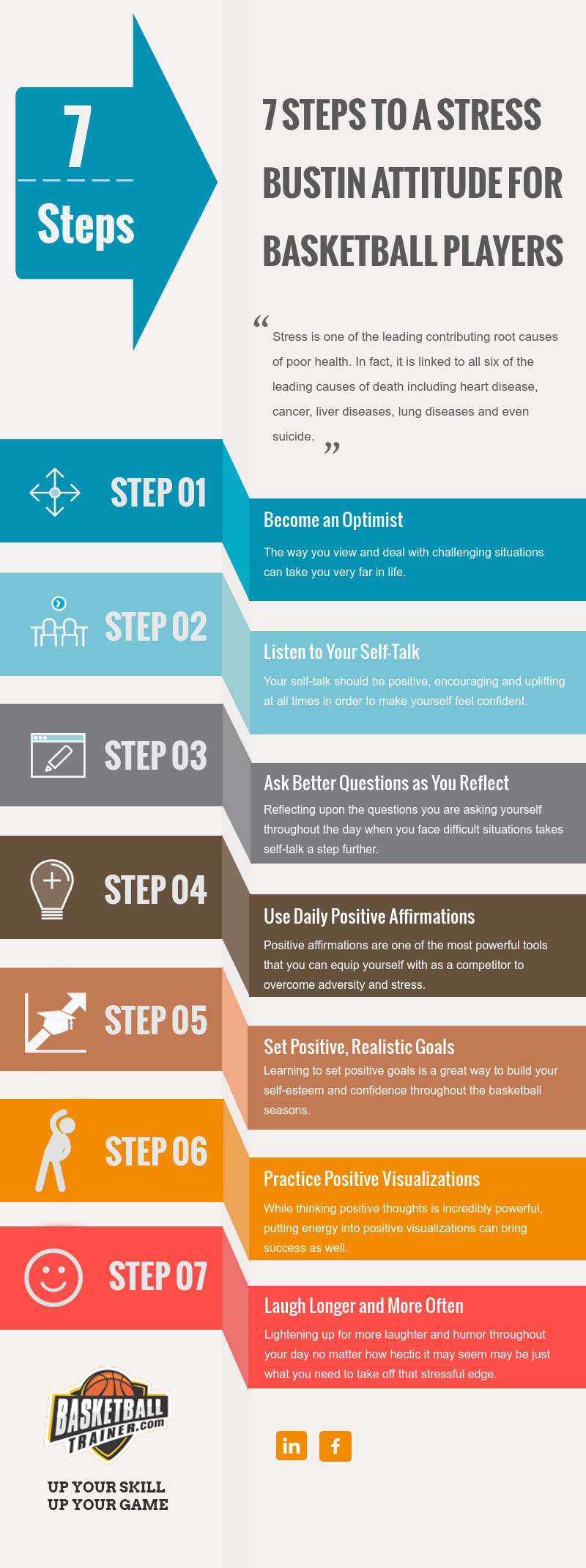
 As you go throughout your day you will notice that you are always talking to yourself. Sometimes what you are saying is positive and sometimes it’s negative. By beginning to pay closer attention to the way you are talking to yourself you can gain a great idea of why you tend be more positive or negative in general. Your
  Reflecting upon the questions you are asking yourself throughout the day when you face difficult situations takes self-talk a step further. It’s easy to fall into a negative, stress inducing pattern of beating ourselves up with self-defeating questions like, “Why do I always miss my second free throw?” or “Why do I always have to mess up that play?” Instead, ask yourself questions that are going to help you overcome the situation or circumstance like “What do I need to learn from my failed attempts to make it better the next time?” or “How can I adjust my form and visualize my shots going in so that I can improve my free throw percentage?” These are the kinds of questions that are focused on the positive and are going to get you much better results.
 Positive affirmations are one of the most powerful tools that you can equip yourself with as a competitor to overcome adversity and stress. Affirmations are things that we believe and they become imprinted on our subconscious mind, so regardless of whether you are consciously thinking a positive or negative thought at the time, what your subconscious believes is typically how you will behave when you are faced with stress. For example, if you believe that you are not a
  Learning to set positive goals is a great way to
  While thinking positive thoughts is incredibly powerful, putting energy into positive visualizations can bring success as well. How about picturing yourself hitting the game winning shot before you even take it, or how about seeing yourself shutting down the other teams’ best player? If you can create visualization in your
  Lightening up for more laughter and humor throughout your day no matter how hectic it may seem may be just what you need to take off that stressful edge. In fact, making time to laugh often is the most powerful stress-buster around. Research and studies are also now showing that laughing has the potential to boost the immune system as well considering that stress levels and immunity do go hand-in-hand.